
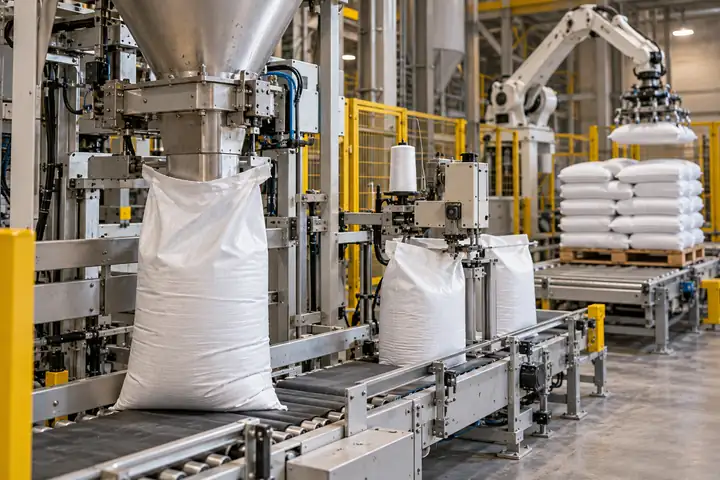
Bagging Machines: Types, Speeds and Choosing Bags That Run Well
Bagging machine guide: open-mouth, valve, FFS and bulk bag fillers compared, typical speeds and fill weights, and how to specify bags that run well on each.
Practical, engineer-written guides to choosing and specifying woven packaging — safety factors, fabric weights, valves, laminations, mesh and nets.
Bagging machine guide: open-mouth, valve, FFS and bulk bag fillers compared, typical speeds and fill weights, and how to specify bags that run well on each.
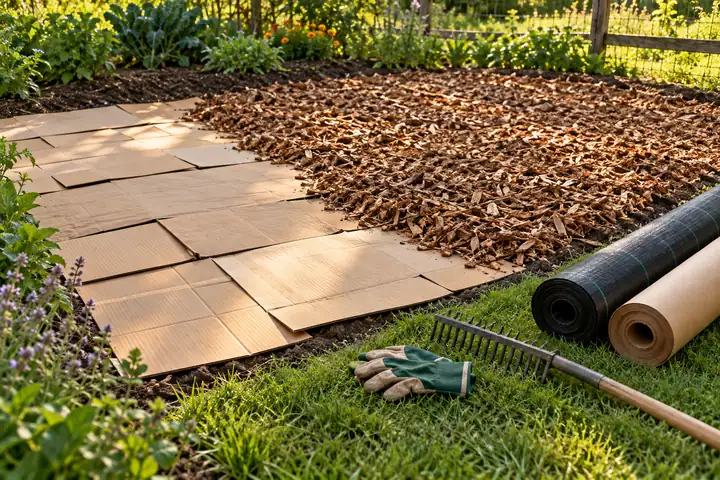
Is cardboard a good weed barrier? How to use it, how long it lasts, and how newspaper, landscape paper, biodegradable fabric and root barriers compare.
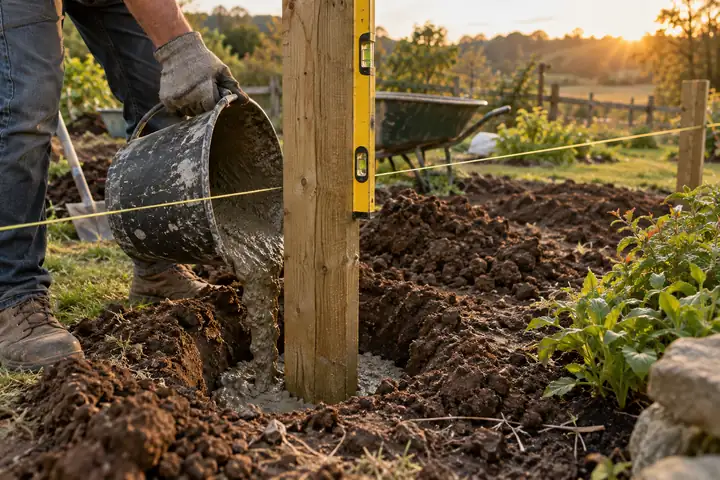
Sonotube calculator: cu ft = 0.7854 × diameter² (ft) × depth (ft). Concrete per tube, footing size charts, deck footing sizing, frost depth and fence posts.
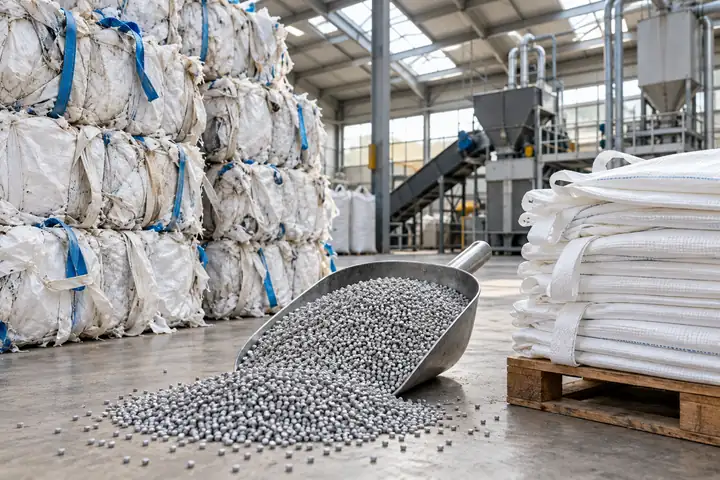
Sustainable packaging for industrial sacks: mono-material PP, lightweighting, reuse, recycled content, and when biodegradable or compostable bags make sense.
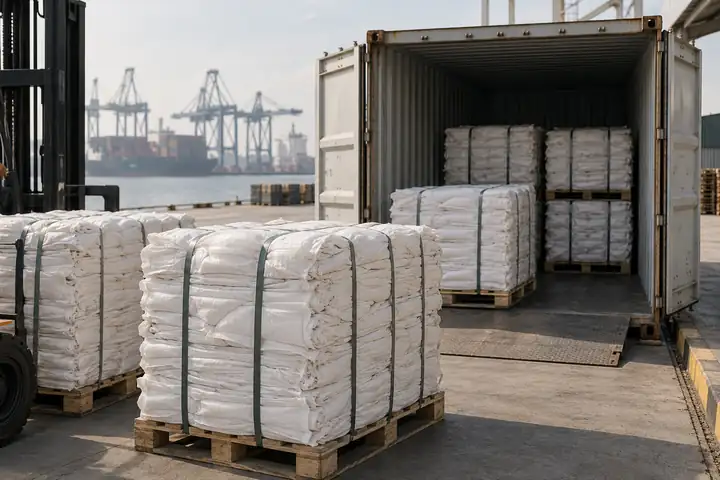
What sets a bulk bag price? The 12 FIBC cost drivers, from fabric GSM and SWL to liners, printing, MOQ, freight and Incoterms, and what to send for a quote.
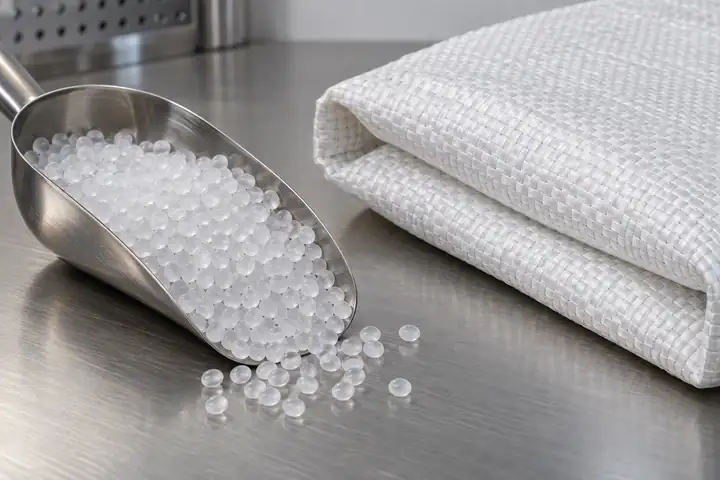
Polypropylene homopolymer vs copolymer: random and impact grades compared on density, melting point, stiffness and impact, plus why woven sacks use raffia PP.
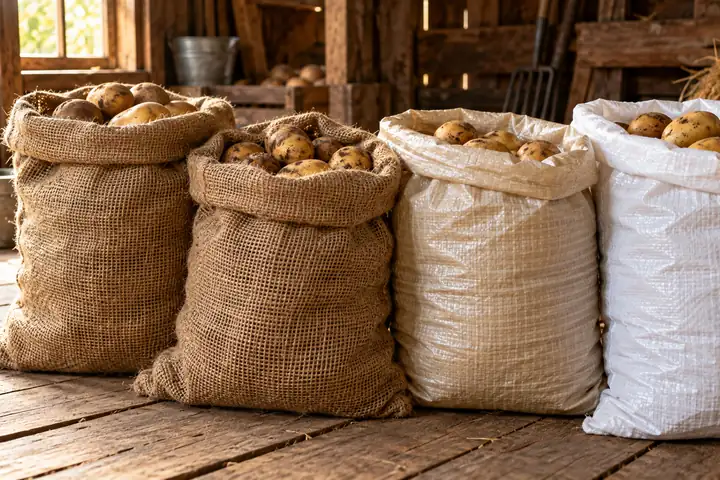
Burlap sacks explained: jute, hessian and gunny sacks, common sizes, garden and sandbag uses, and an honest comparison with woven polypropylene sacks.
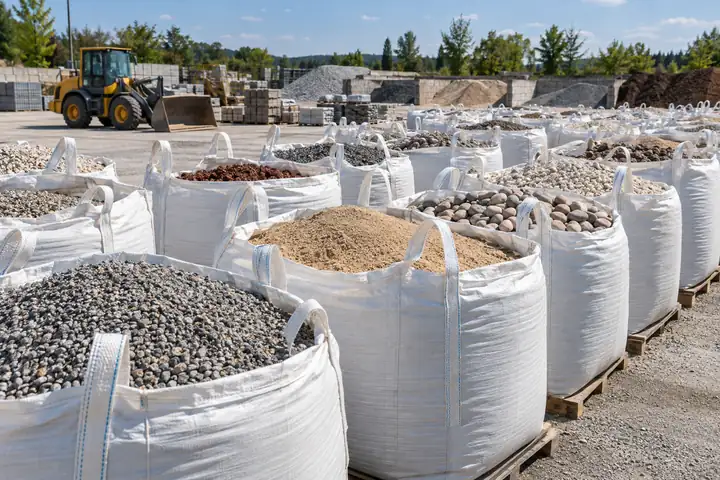
Cubic yard calculator guide: cubic yards = L × W × H in feet ÷ 27. Convert square feet, cylinders, topsoil, dirt fill and m³, with tables and worked examples.
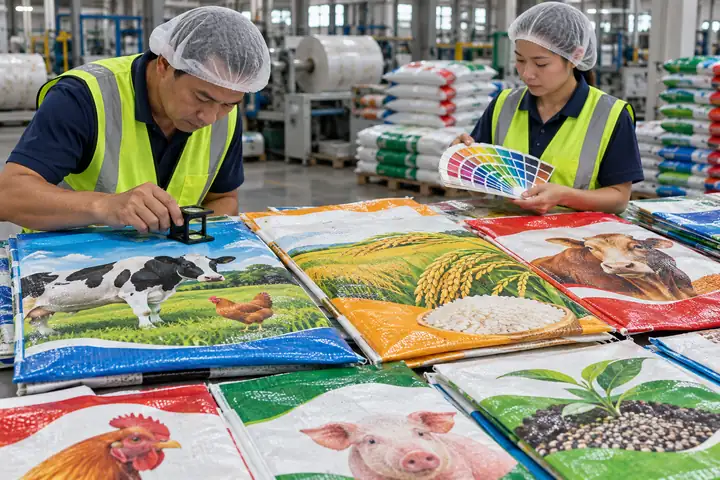
Custom printed bags with your logo for feed, grain, fertilizer and chemicals: flexo vs rotogravure vs offset, artwork and barcode rules, and MOQ per design.
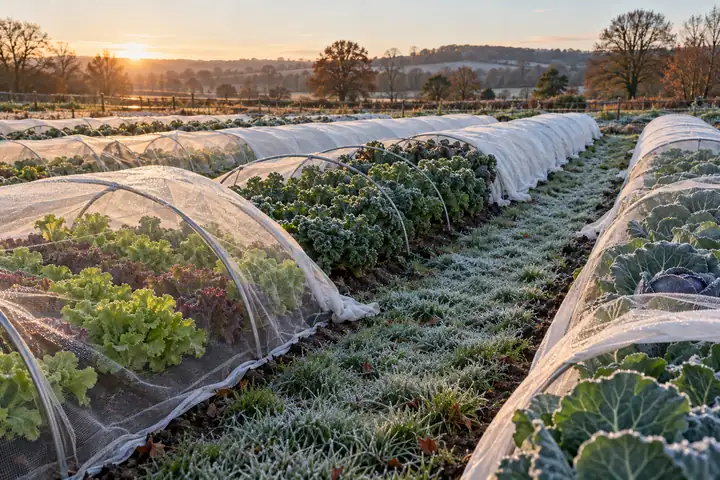
Row covers compared: frost cloth, insect netting, shade cloth and plastic film for garden beds, with light, frost protection and airflow figures, plus setup.
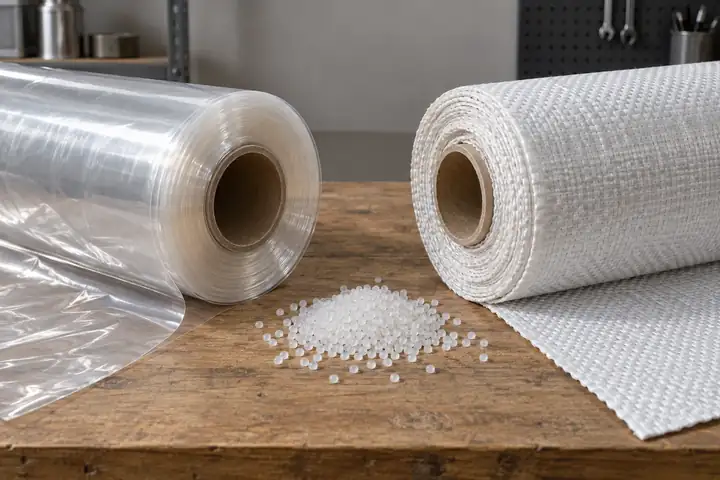
What is polyethylene? PE plastic explained: types (LDPE, LLDPE, HDPE), density, melting point, uses in bags, liners and nets, and how HDPE and LDPE recycle.
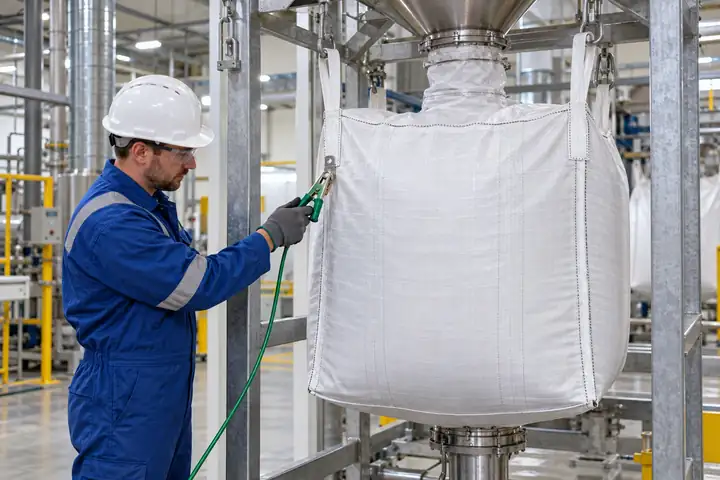
What is electrostatic discharge? ESD meaning, everyday examples, spark and brush discharges, combustible dust risks, and how Type C and D FIBCs stop static.
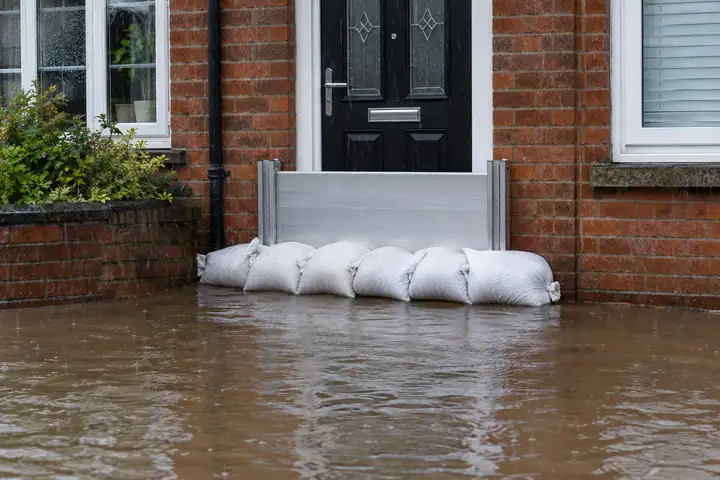
Flood barriers for homes compared: door and garage flood barriers, flood panels, water-filled and inflatable barriers, water-activated bags and sandbags.
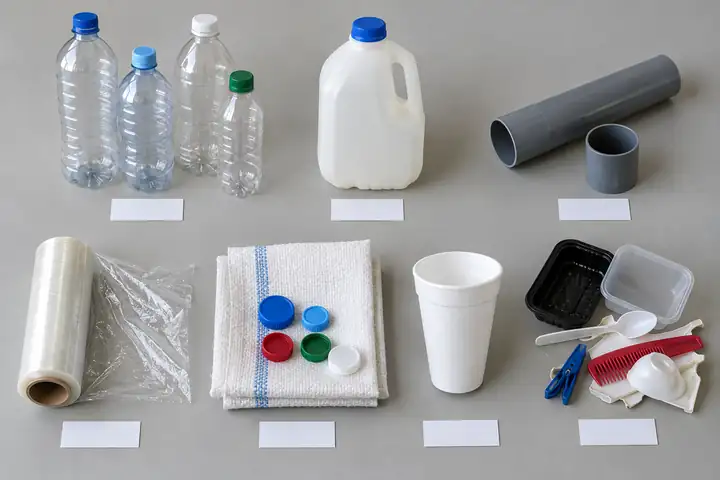
Plastic recycling numbers 1 to 7 explained: what each resin code means, densities, melting points, common uses, which plastics recycle, and what sacks use.
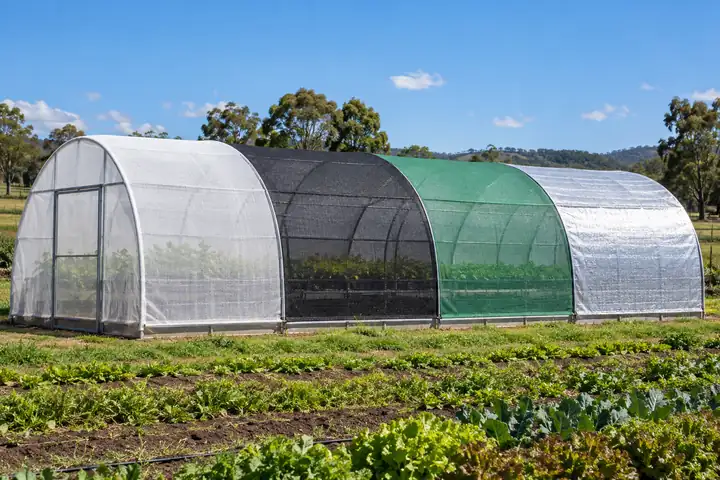
White vs black shade cloth compared, plus green and aluminized cloth, knitted vs woven HDPE shade fabric, and what to look for in a heavy duty shade tarp.
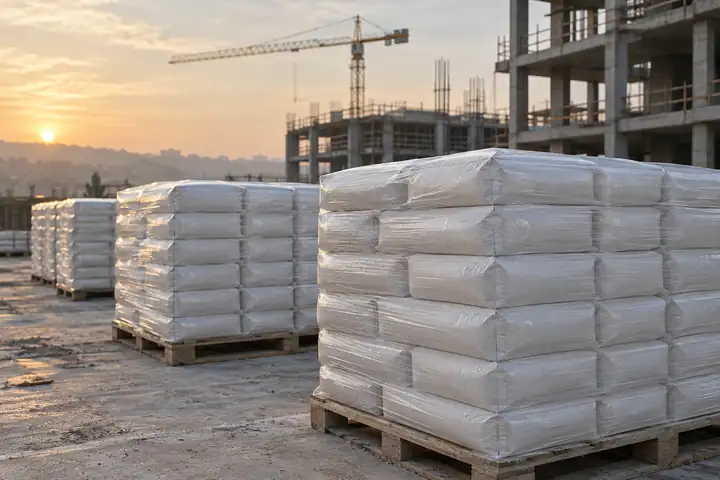
Portland cement bags explained: 94 lb US sacks vs 25 and 50 kg bags, why an 80 lb bag is concrete mix, pallet counts, bulk cement and valve bag packaging.
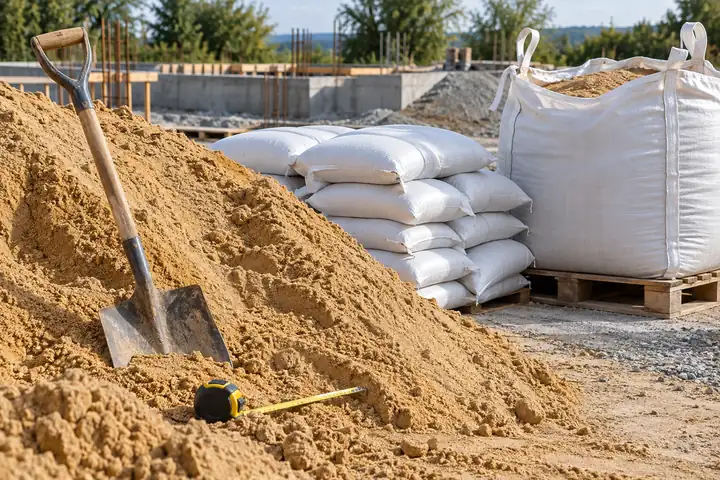
Sand calculator guide: cubic feet = area × depth ÷ 12, about 100 lb per cu ft dry. Tons, yards and 50 lb bags for pavers, sandboxes, pools and fill.
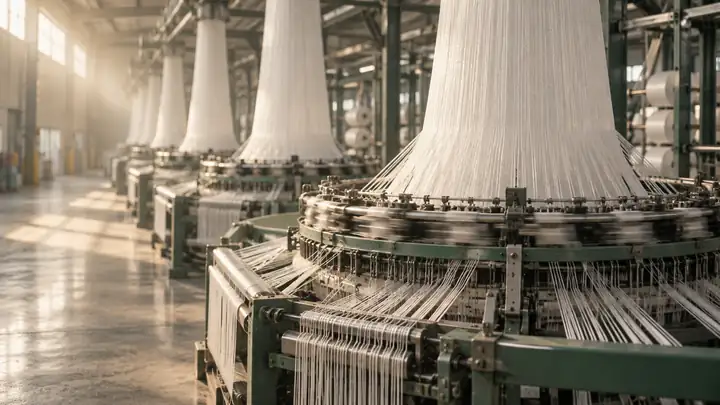
What is woven fabric? Warp and weft yarns interlaced at right angles. Weave types, woven vs non-woven fabric, plus PP woven material: mesh, denier and GSM.
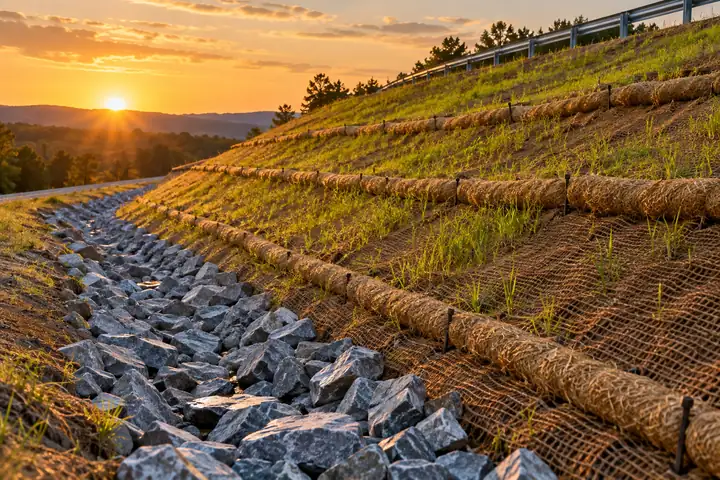
Erosion control methods compared: vegetation, mulch, matting, jute netting, coir, wattles, silt fence, riprap and bags, plus erosion causes and slope limits.
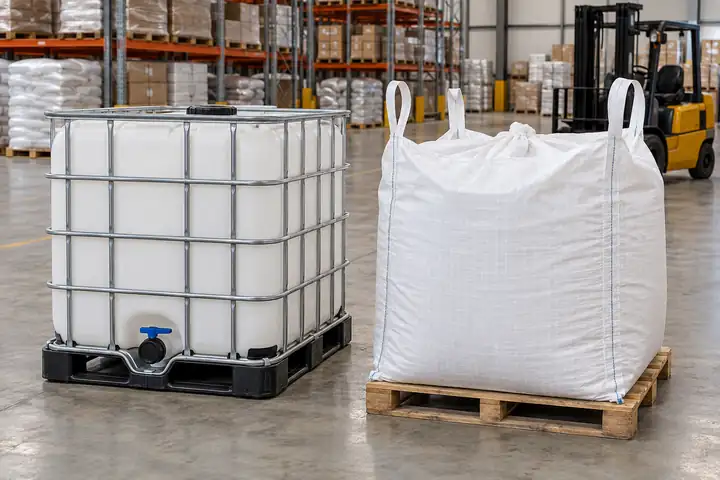
Intermediate bulk container guide: rigid IBC tote dimensions (275/330 gal) vs flexible FIBC bulk bags, liquids vs solids, UN codes, liners, cost per trip.
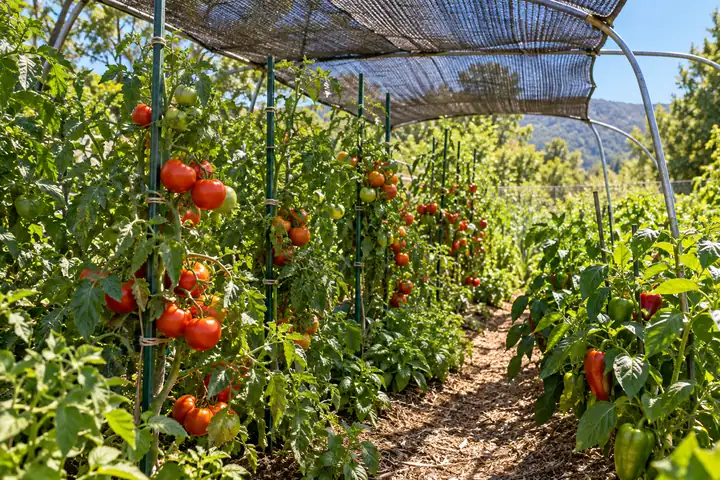
Shade cloth for tomatoes and vegetables: when to put it up, which 30, 40 or 50 percent cloth to use for peppers, lettuce and strawberries, and how to mount it
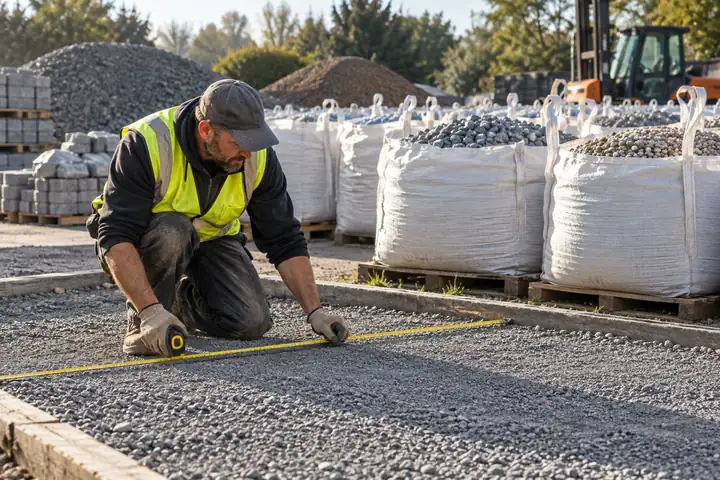
Gravel calculator guide: cubic yards = length × width × depth ÷ 324, tons ≈ yards × 1.4. Depth charts for driveways, paths and patios, plus worked examples.
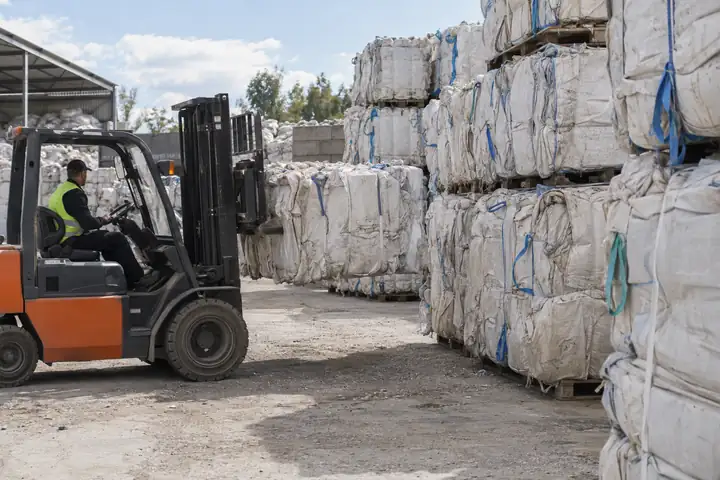
Is polypropylene recyclable? Yes, PP is number 5 plastic and recycles well, but access varies. How PP, woven sacks and bulk bags are recycled, and where.
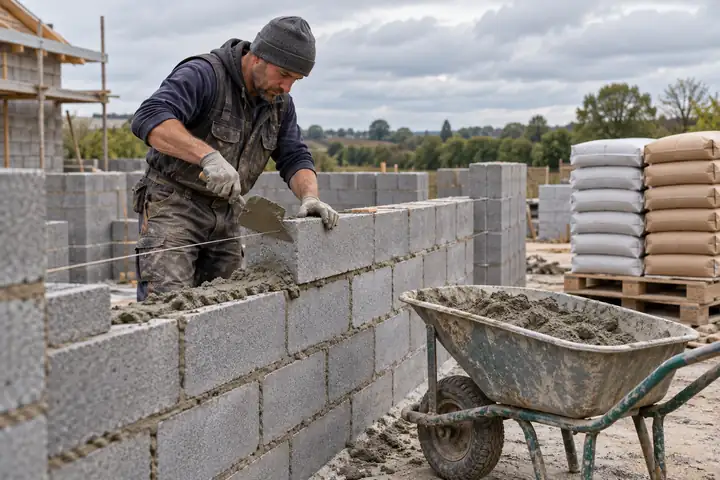
Concrete block calculator: 1.125 blocks per sq ft for 8x8x16 CMU, about 3 bags of mortar mix per 100 blocks, Type N vs Type S mortar and mix ratios.
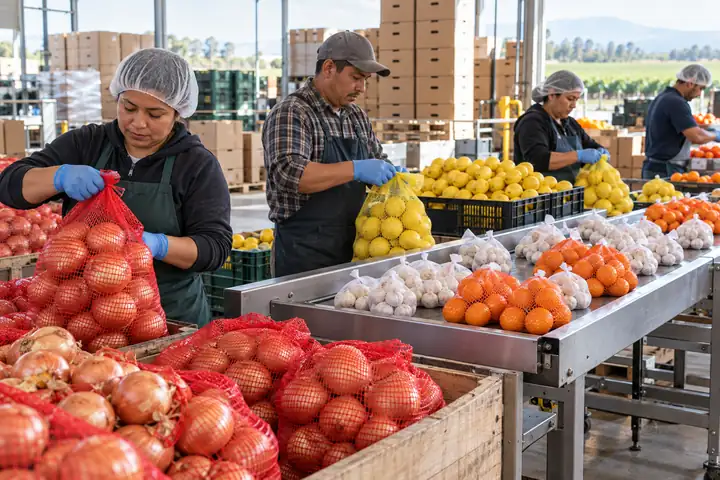
Produce packaging for packers and distributors: mesh bags vs produce boxes, small net bags to 50 kg sacks, fill weights by crop, and sustainable options.
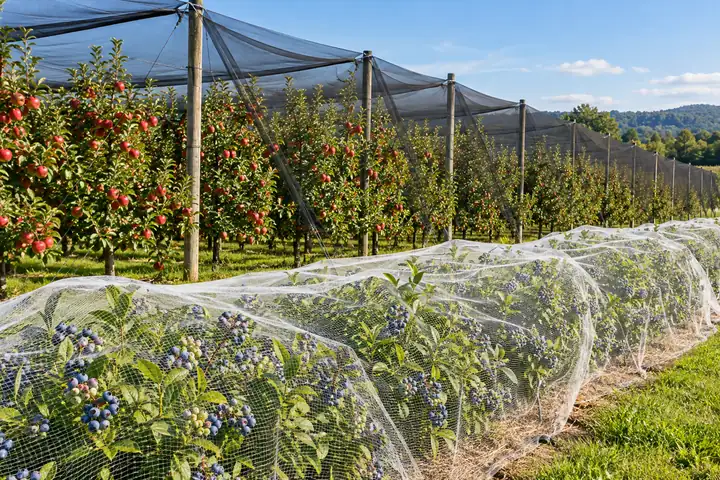
Fruit tree netting explained: bird netting mesh sizes for fruit trees, cherries, blueberries and strawberries, plus when a hail net doubles as a bird net.
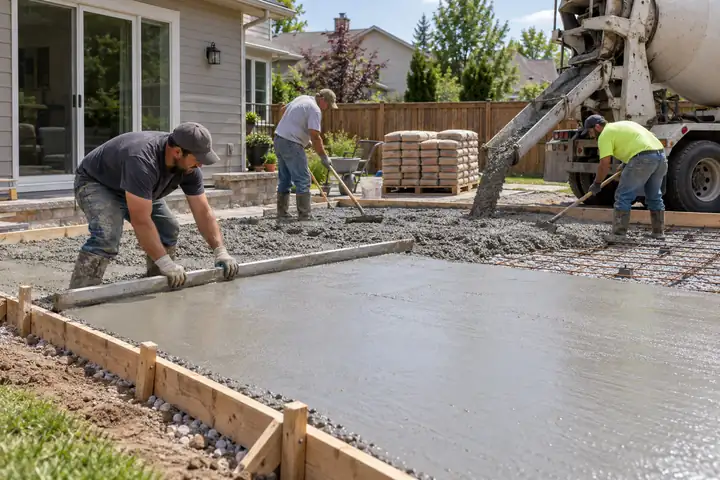
How much concrete do I need? Yards = length × width × thickness (in) ÷ 324. Slab thickness, weight per yard, truck sizes and ready-mix vs bags, with examples.
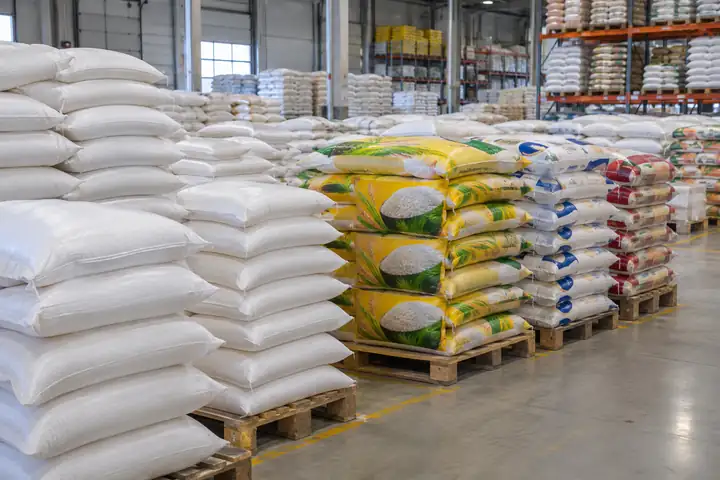
Is polypropylene safe? PP is a fairly inert plastic, BPA-free by chemistry and widely used for food contact. What matters: grade, additives and heat.
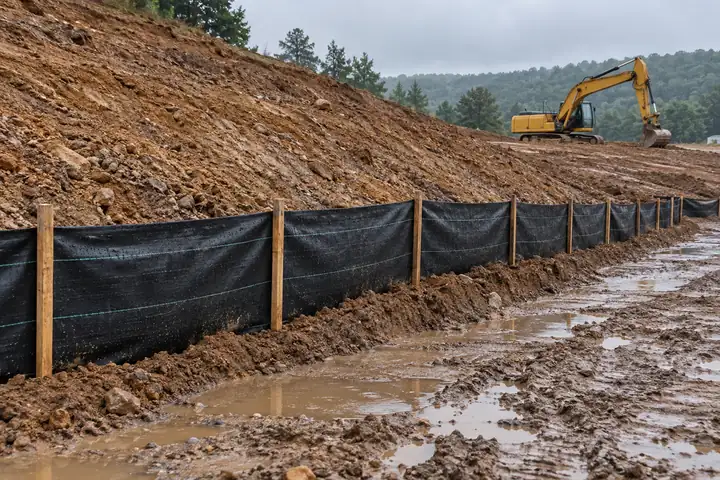
What a silt fence is, when it is required, fabric specs, stake spacing, trench detail and step-by-step installation, plus silt fence vs straw wattles.
Choose food packaging bags for flour, rice, sugar and pet food: food grade materials, woven vs BOPP vs paper, liners, recyclable options and wholesale buying.
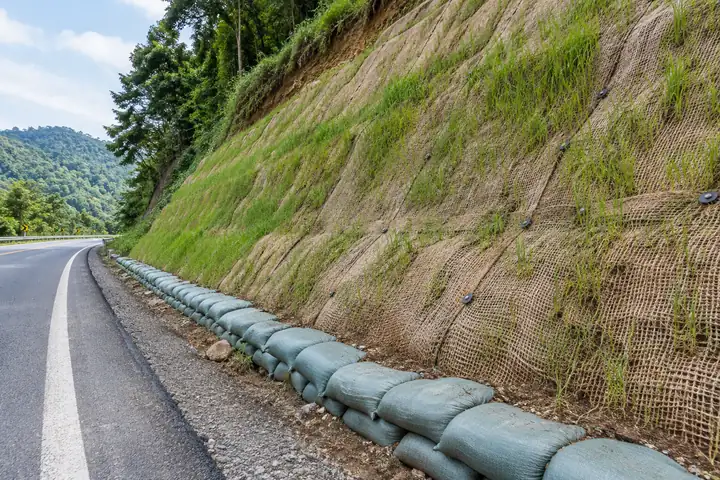
The best erosion control plants for slopes: ground covers, lawn and native grasses by slope steepness, and how to combine planting with blankets and fabric.
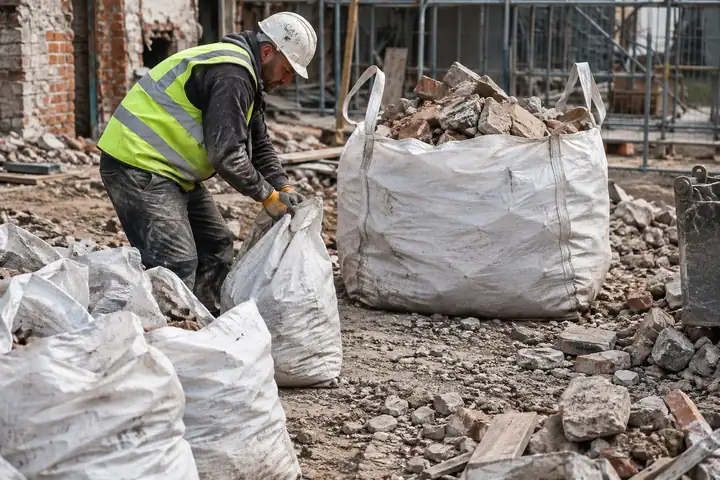
Contractor bags vs woven rubble sacks and construction bulk bags: sizes, mil thickness, puncture resistance, safe weights and which debris bag suits each job.
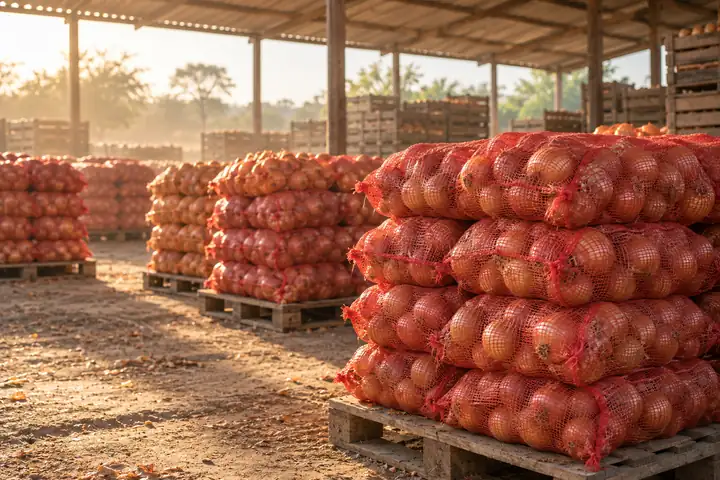
How to use mesh bags to store onions and garlic: curing, temperature and humidity targets, filling and stacking sacks, and why potatoes differ.
FIBC recycling explained: woven PP bulk bags are #5 plastic and recyclable when clean. How to prepare bags, reuse 6:1 bags safely and dispose of the rest.
Bulk bag suppliers in the USA, India and China compared: lead times, MOQ, price drivers, freight to Savannah and Charleston, and duties to check.
Erosion control fabric, blankets, netting, silt fence, geocells and slope bags compared: what each does, slope limits, install specs and how to choose.
A buyer's guide to woven polypropylene bags: what PP woven bags are, types of sacks, standard sizes and fabric weights, custom printing and buying wholesale.
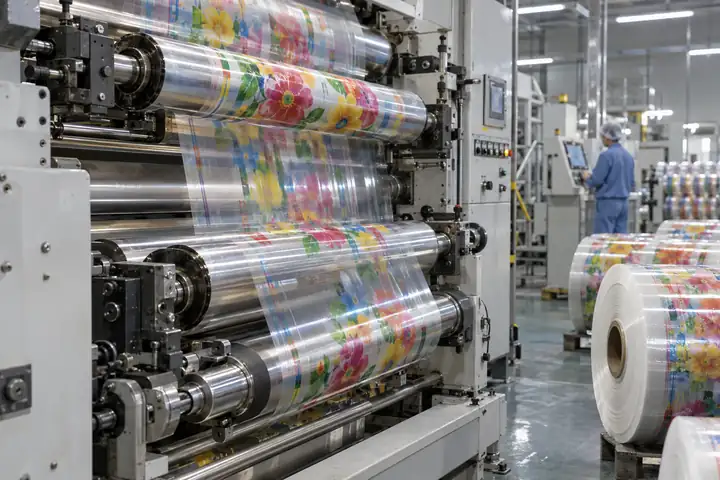
What BOPP bags are, how BOPP laminated woven bags are built and printed, film and fabric specs, finishes, and how to brief BOPP bags manufacturers.
A practical checklist for importing PP woven bags, FIBCs and valve bags from China: writing the spec, samples, artwork, MOQ and pricing, inspection, Incoterms, payment and container loading.
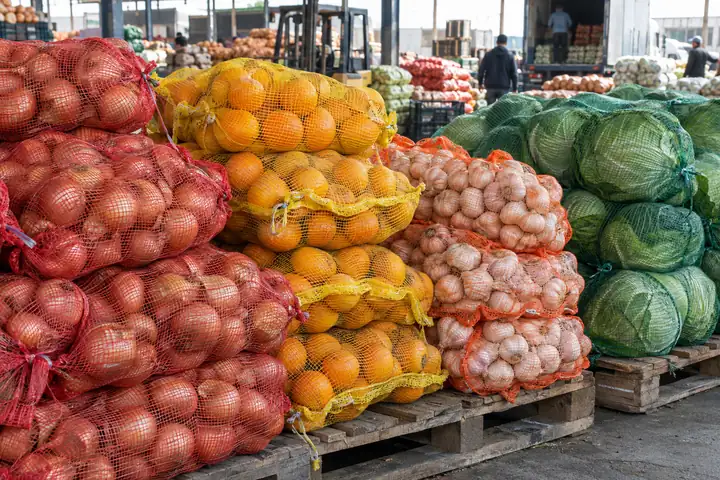
Mesh bag guide: leno vs raschel, plastic and polypropylene mesh bags, small to large sizes, vented and perforated produce bags, and how to order.
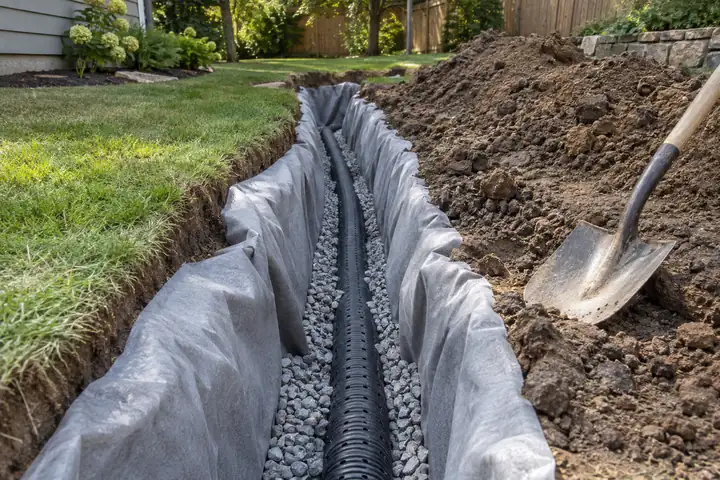
Choosing geotextile fabric for driveway, French drain and retaining wall builds: woven vs non-woven, layer depths, overlaps and quantity math.
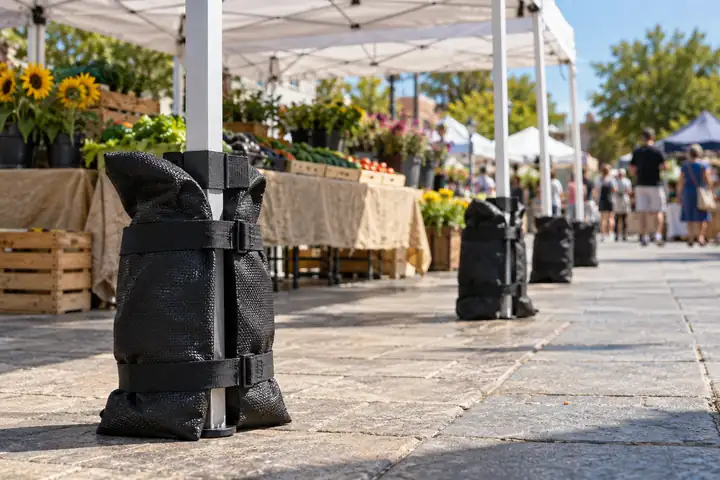
Sandbags for tents, canopy legs, pool covers and truck beds: how much weight to use, where to place it, and which waterproof or handled bags work best.
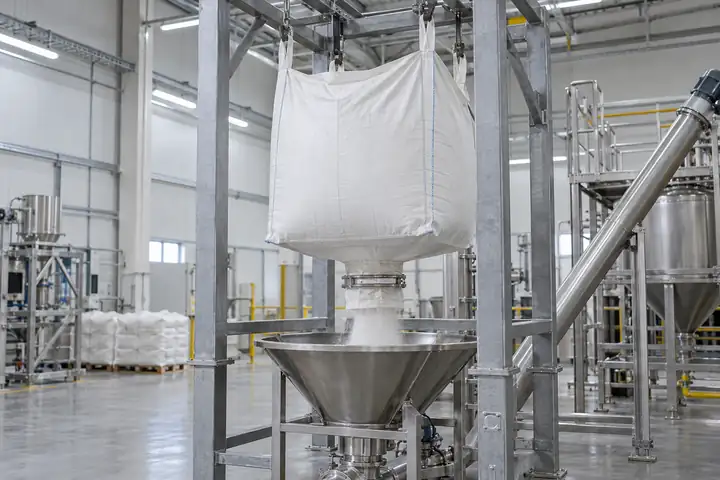
How a bulk bag filler and bulk bag unloader work, which filling frames and discharge stations suit your product, and how to match spouts and loops.
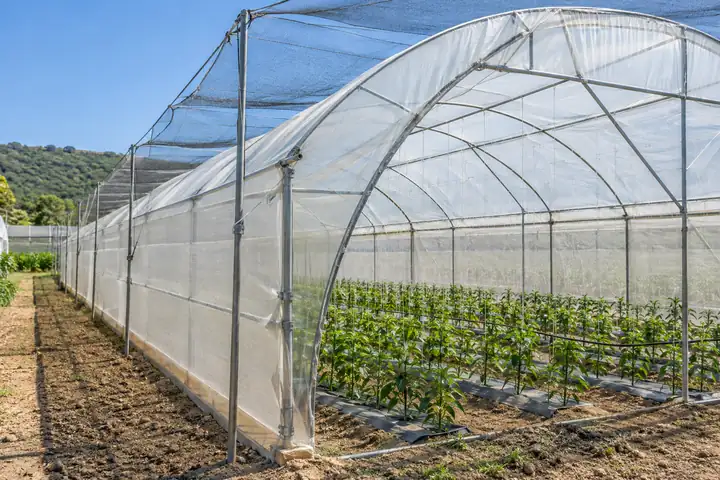
How hail netting protects gardens, plants and greenhouses: mesh sizes, flexible nets vs hard plastic mesh, frame designs and how to stop hail tearing nets.
How to choose PP leno mesh bags for onions, potatoes, garlic, citrus and firewood — bag sizes for 10–50 kg, bag weight in grams, colour conventions, drawstrings and printed labels.
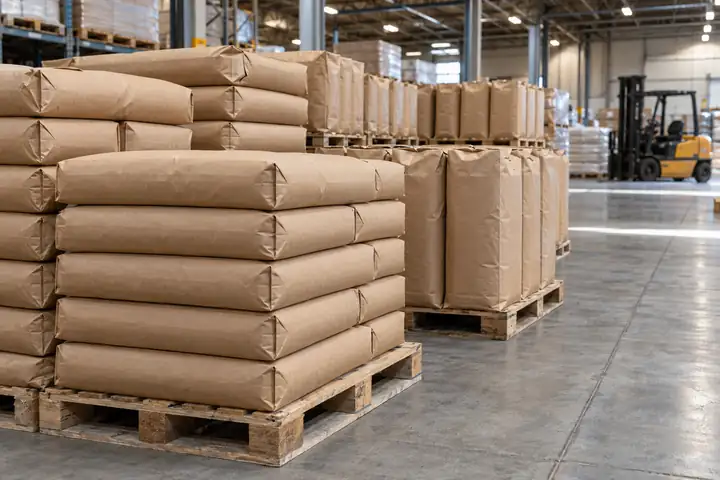
Multiwall paper bags explained: ply counts, kraft weights, valve, pinch and block bottom styles, paper flour and feed bags, and when paper-poly bags win.
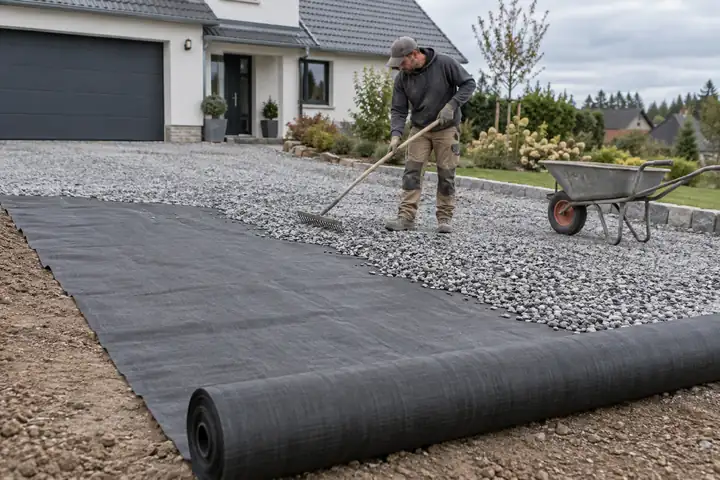
Geotextile fabric explained: what woven and non-woven geotextiles do, typical specs, how they differ from landscape fabric, and how to choose the right one.
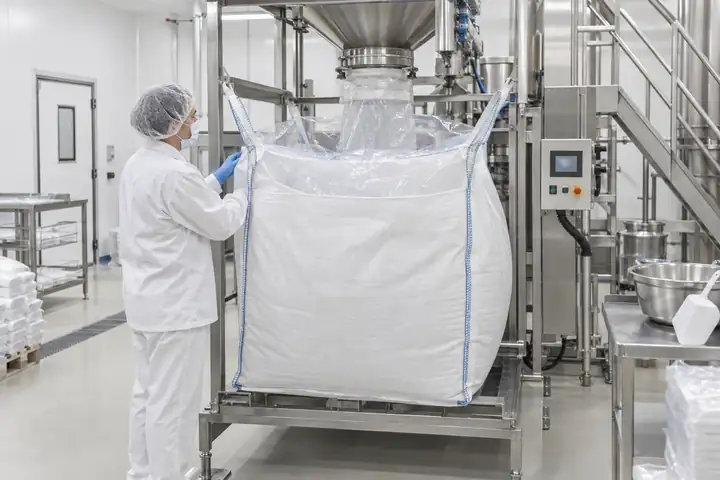
What makes a food grade bulk bag: food-contact resin, cleanroom production, liners, contamination controls and FIBC specs for sugar, flour and starch.
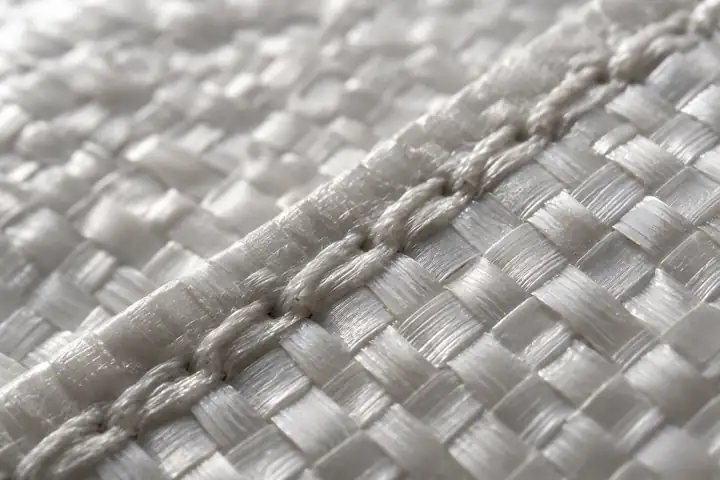
Compare plain PP woven sacks, BOPP laminated bags and paper-poly composite bags on strength, moisture protection, printing, cost and recyclability — with recommendations by product.
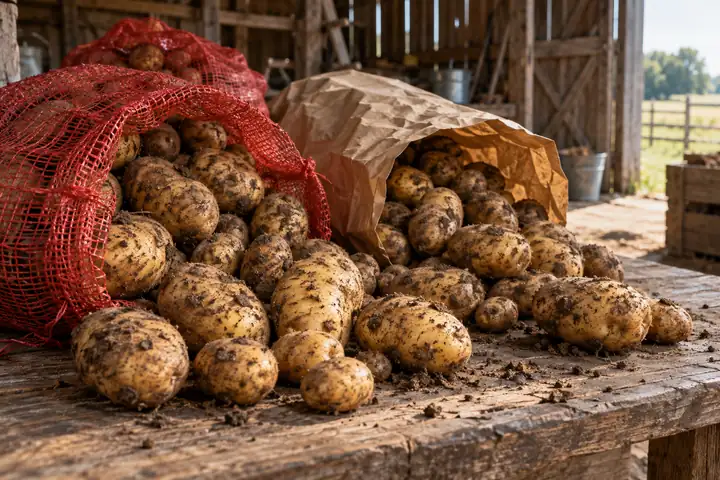
What a potato sack is made of today, 5 lb to 50 kg sizes, the best potato storage bag, growing potatoes in sacks, sack race bags and where to buy.
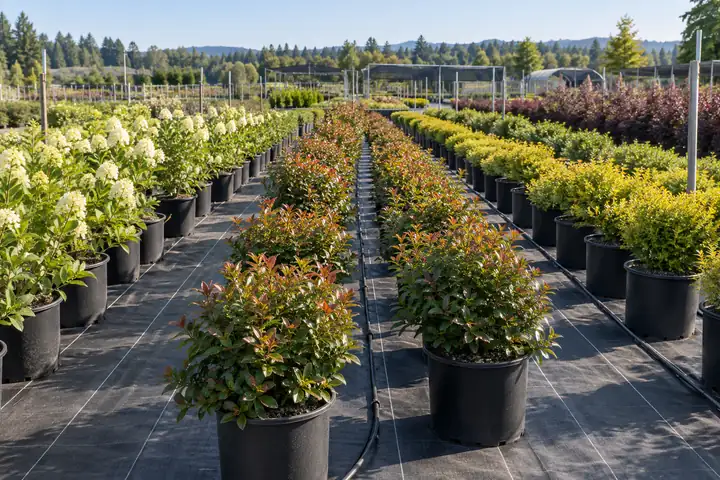
How growers use woven ground cover in greenhouses, container nurseries and field rows, plus roll coverage math, colors, tarps for weeds and other uses.
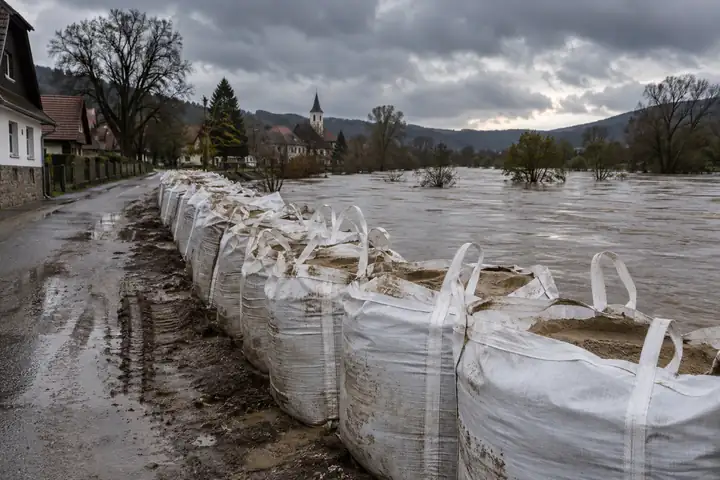
Alternatives to sandbags compared: sandless bags, water-filled flood bags, door barriers, bulk ton bags and DIY substitutes, with honest limits for each.
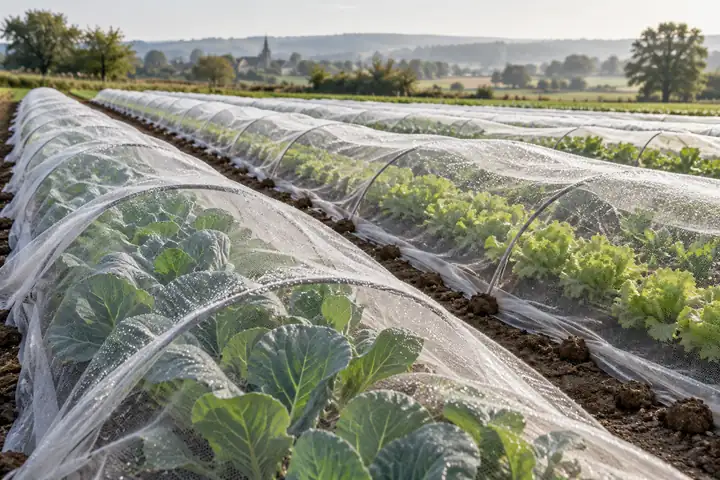
How to choose insect netting for vegetable gardens, greenhouses and farms: mesh sizes by pest, airflow trade-offs, installation tips and bulk buying.
Bulk bag liners compared: tubular vs form-fit FIBC liners, poly liner thickness in microns and mil, food grade, foil and anti-static liners, IBC liners.
How a valve bag filling machine works: impeller vs air vs auger packers, valve sleeve types, flour bag fillers and matching paper or woven bags to the filler.
What a baffle bag is, how internal baffles keep an FIBC square, how much extra container and warehouse space a Q-bag gains, and when it is worth the cost.
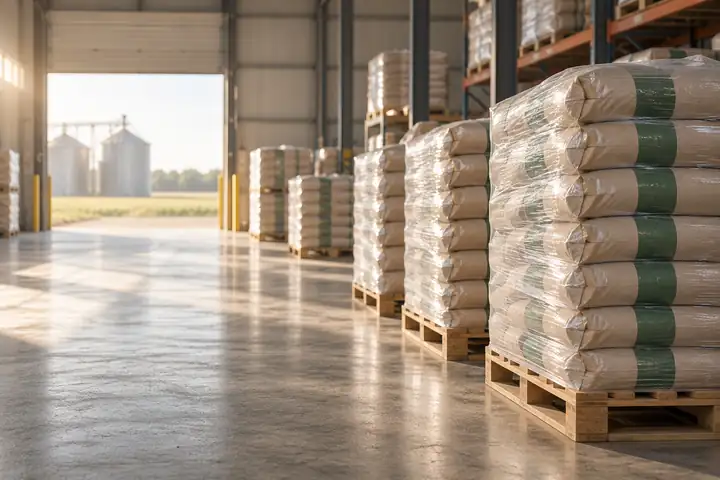
How to choose seed bags and fertilizer bags: breathable vs moisture-proof builds, paper vs paper-poly, 25 kg and 50 lb sizes, liners and bulk options.
How valve bags and open-mouth sacks differ in filling speed, dust control, stacking and cost — and which inner, outer or heat-seal valve suits cement, mortar, chemicals and flour.
How to use a weed barrier for raised beds, vegetable gardens and trees: bed liners, planting-hole spacing, tree mat sizes and when to skip fabric.
Polypropylene fabric explained: woven PP cloth vs spunbond non-woven, GSM and strength, fabric rolls, non-woven vs woven bags, and PP vs polyester mesh.
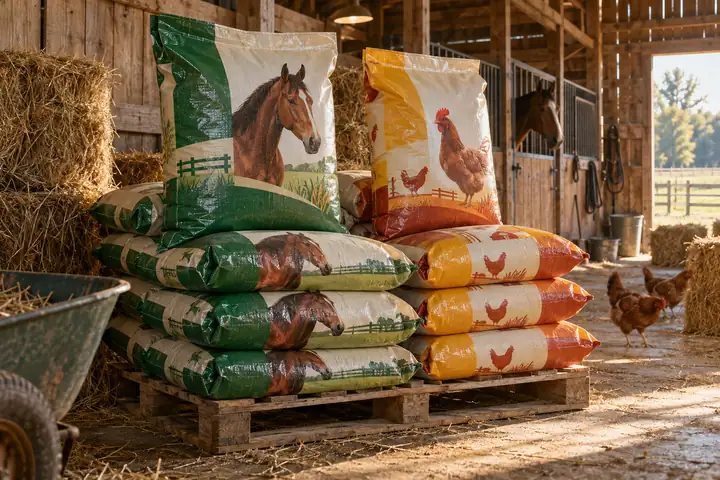
Feed sack fabric explained: the history of cloth and printed flour sacks, how to spot vintage feed sacks, and ways to upcycle woven PP feed bags.
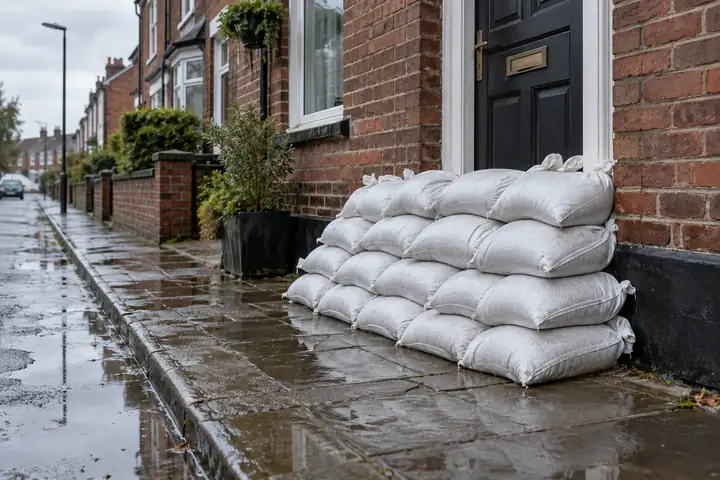
How many sandbags do I need? Use the 600-bags-per-100-ft rule, a simple sandbag calculator formula, bag weights from 10 to 50 lb, and sand per ton.
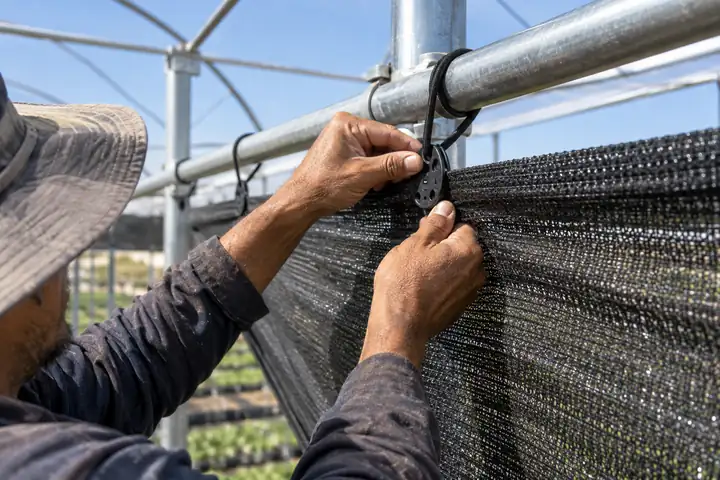
How to secure shade cloth so it stays tight in wind: clips vs grommets, frame and pole spacing, raised bed hoops, greenhouse fixing and mistakes to avoid.
Bulk bag dimensions made simple: size an FIBC from fill weight and bulk density, choose spout sizes and write a complete jumbo bag specification sheet.
Cement bag guide for producers: paper vs PP woven sacks, block bottom valve bags, bulk bags for portland cement, plus lime, mortar and mason sand bags.
Should you use landscape fabric under gravel? Fabric choice, layer depths and install tips for pea gravel paths, river rock, pavers and playgrounds.
Polypropylene vs polyethylene for bags and sacks: strength, heat, cold, moisture barrier and recycling compared, plus HDPE vs PP and when LDPE liners help.
How to size and specify a bulk bag for sand, gravel, aggregates, soil and fertilizer: bulk densities, cubic yards per ton, fabric and safety tips.
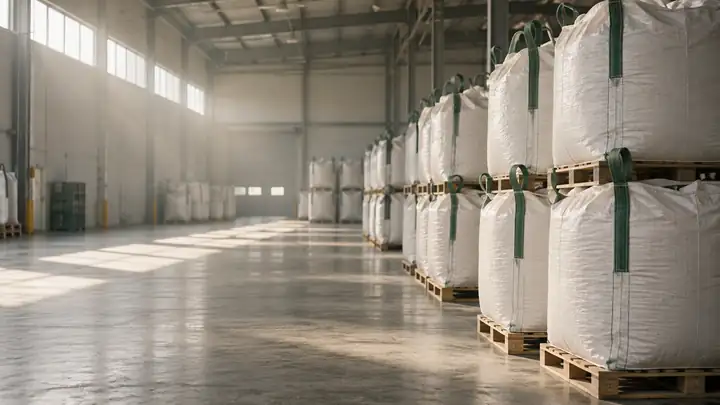
A step-by-step guide to specifying a jumbo bag — calculating dimensions from bulk density, and choosing body type, filling top, discharge bottom, lifting loops, liners and coatings.
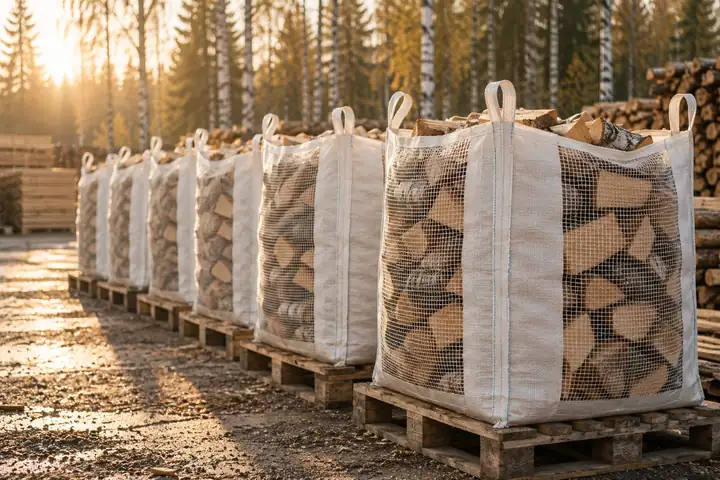
How to choose firewood bags: mesh net sacks for logs, vented bulk bags for 1/3 cord loads, cord to m³ conversions, safe working loads and wholesale tips.
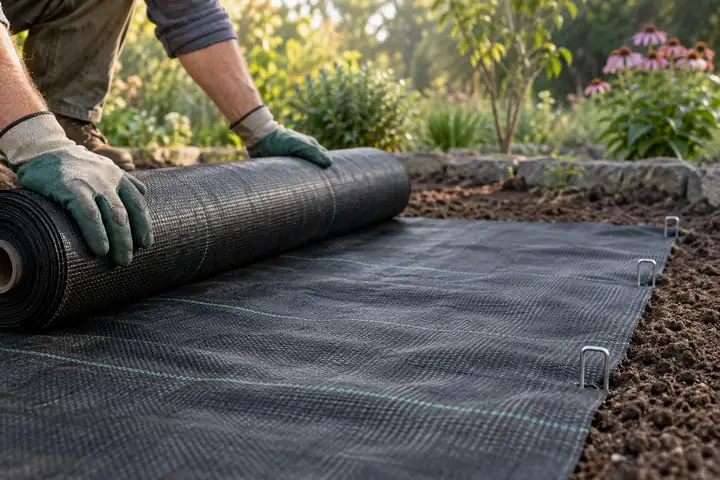
Landscape fabric pros and cons, honestly: when weed barrier works, why it can hold water, how long it lasts, and alternatives from cardboard to plastic.
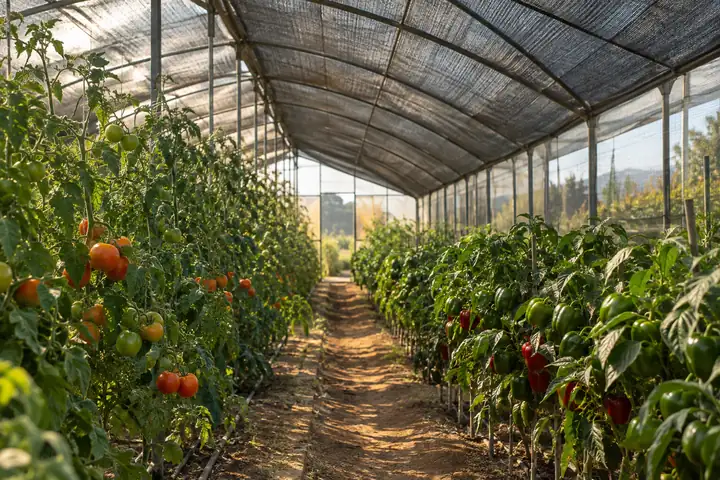
A buyer's guide to greenhouse shade cloth: HDPE vs polypropylene, knitted vs woven, black, white, green and brown, UV ratings, roll sizes and bulk orders.
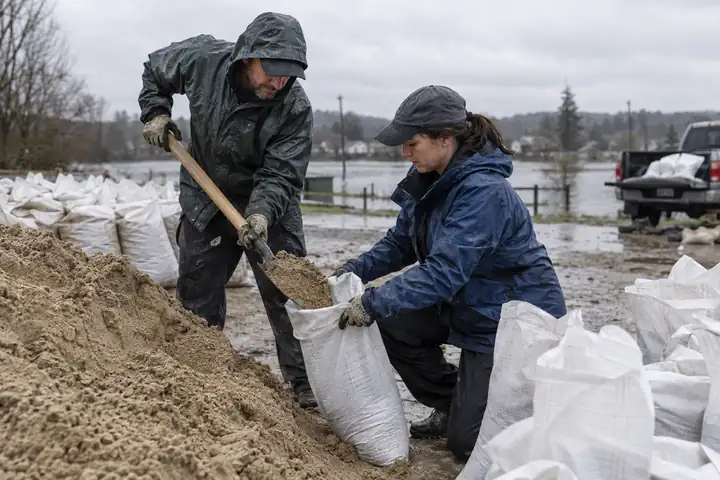
How to stack sandbags for flooding: the best sand, how full to fill, laying bags at doors and garage doors, and how to build a pyramid wall.
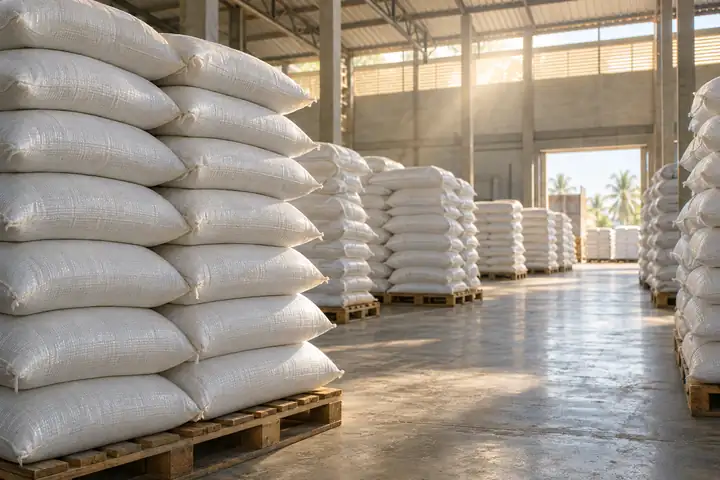
Grain bags and rice bags compared: polypropylene grain sacks, 50 lb and 50 kg sizes, retail rice bags, bulk grain bags, and when silo bags make sense.
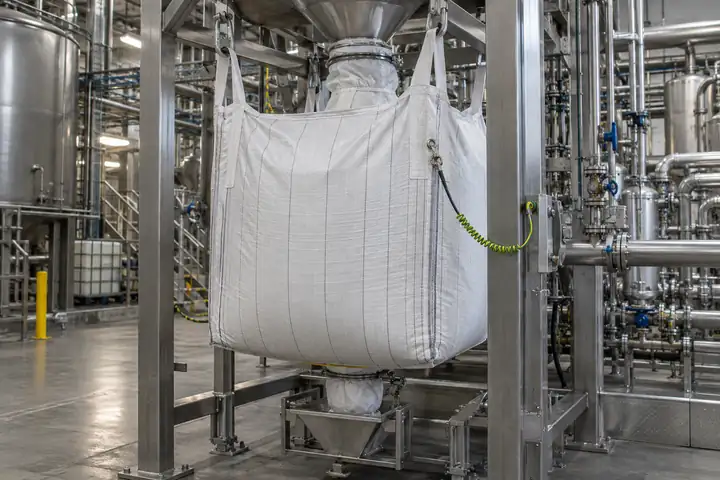
Types of FIBC bags explained: Type A, B, C and D anti-static bulk bags under IEC 61340-4-4, UN 13H codes, and the right type for chemicals and minerals.
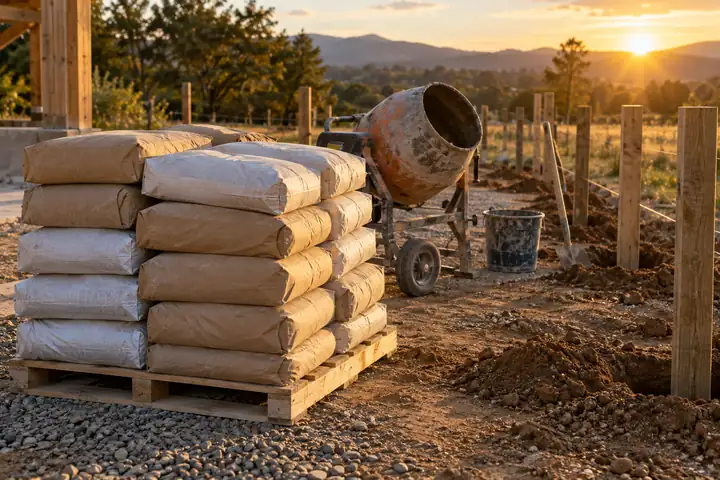
How much does a bag of concrete weigh? 40–90 lb premix and 94 lb cement sacks, pallet counts, water per bag, 6-sack concrete and mortar bags explained.
How to lay landscape fabric that stays put: site prep, which side faces up, overlaps, pin and staple spacing, cutting planting holes and what to put on top.
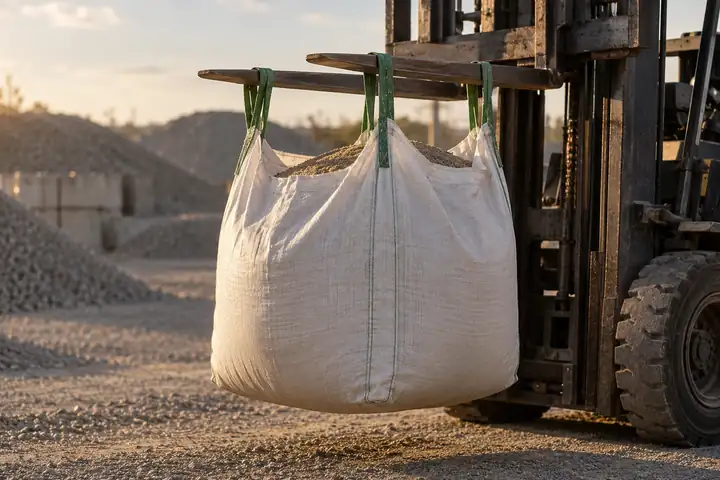
What the 5:1 and 6:1 safety factors on a jumbo bag mean, how safe working load is tested under ISO 21898, and how to choose between single-trip and multi-trip FIBCs.
What is polypropylene? A plain guide to PP plastic: how it is made, melting point, temperature range, whether it is waterproof and recyclable (code 5).
The FIBC bags manufacturing process step by step: tape extrusion, circular looms, coating, printing, cutting, sewing, inspection and top-lift testing.
How to buy sand bags in bulk: polypropylene vs burlap, the standard 14 x 26 in size, fabric weight, UV ratings, colors, printing and sandbag cost drivers.
How to choose feed bags for a mill or brand: 50 lb and 25 kg sizes, BOPP vs woven vs paper feed sacks, chicken and corn feed bags, and bulk feed bag options.
Heavy duty landscape fabric explained: woven vs non-woven, weight in g/m² and oz/yd², colors, UV life and roll sizes for commercial and bulk buyers.
How many bags of concrete do I need? Use the volume formula, yields for 40–90 lb bags, bags per yard, fence and mailbox post tables, and worked examples.
What percentage shade cloth to use for tomatoes, peppers, strawberries, leafy greens, greenhouses, livestock and people, with a clear 30% to 90% chart.
Super sacks are woven PP bulk bags holding 500–2,000 kg. Learn sizes, super sack material, ton vs tonne ratings and how to buy bulk bags wholesale.
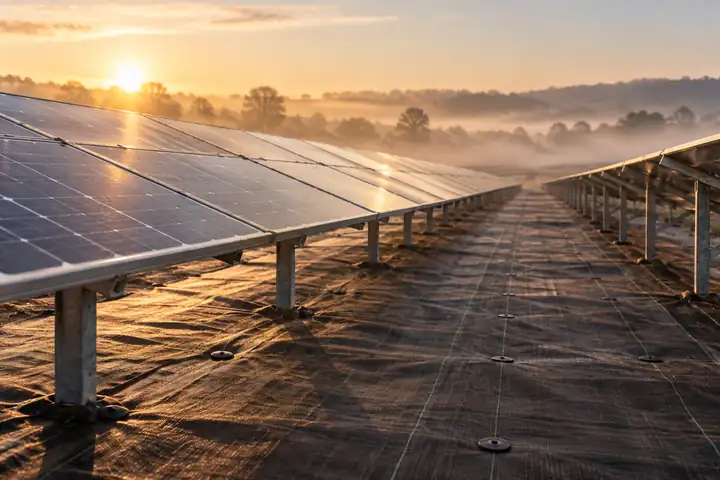
How to choose woven PP weed control fabric: GSM by application, width and roll length, UV stabilisation, permeability, colour and installation tips for farms, landscaping and solar farms.
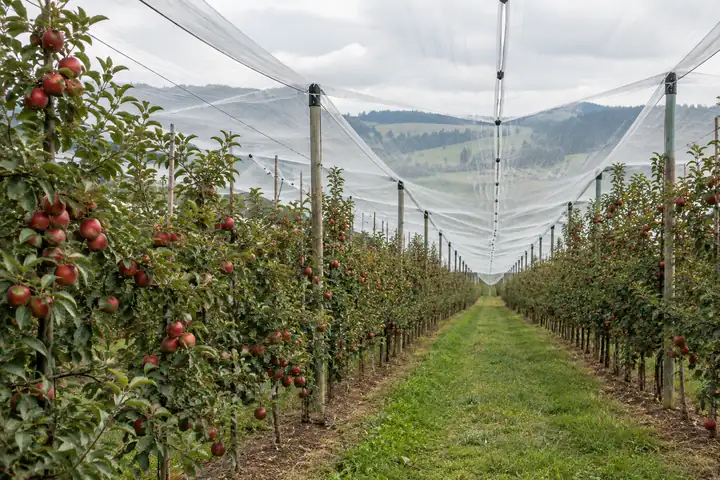
How anti-hail netting protects apples, pears, cherries and vines; HDPE vs PP, white vs black vs crystal nets, mesh, width and installation systems — plus shade and insect nets.
Share your product, fill weight and destination. A packaging engineer replies with a construction, price and lead time — usually within 8 hours.