Key takeaways
- Greenhouse shade cloth is a UV-stabilized HDPE or polypropylene net that cuts sunlight and heat by a rated percentage.
- Knitted cloth is light, does not unravel when cut and resists wind; woven cloth is denser, stiffer and can fray at cut edges.
- Black is the most durable color; white and reflective cloth run cooler at the same rating.
- Shade cloth is not waterproof: it is a porous net, so use a tarp or coated fabric if you need rain cover.
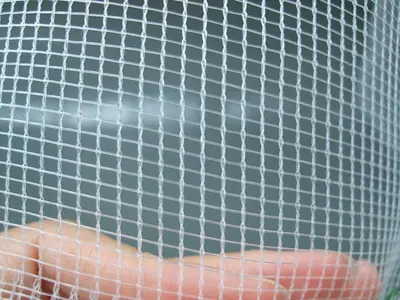
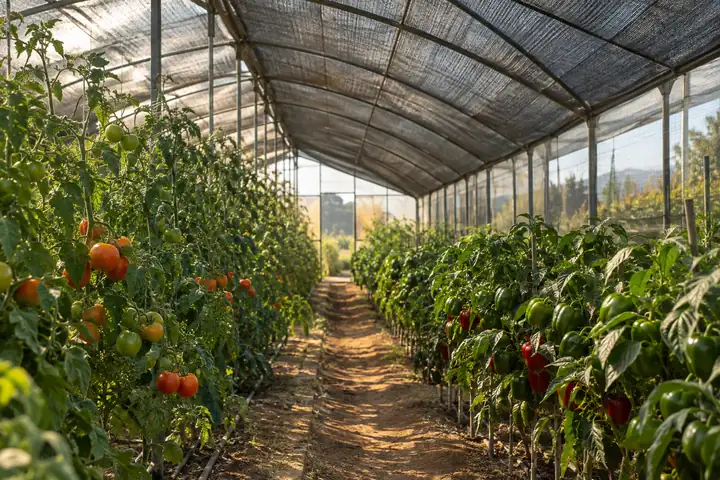
Greenhouse shade cloth is a UV-stabilized knitted or woven net, usually made of high-density polyethylene (HDPE) or polypropylene (PP), that reduces the sunlight and heat reaching plants by a stated percentage, typically 30% to 70%. Knitted HDPE cloth is the most common choice for greenhouses because it is light, breathable and can be cut without fraying; woven PP cloth is a lower-cost, denser alternative.
This guide covers what shade fabric is made of, how knitted and woven constructions differ, what color to choose, and what to specify when buying a shade cloth roll in bulk. If you only need to know which density to buy, start with what percentage shade cloth you need.
What is shade cloth fabric made of?
Nearly all modern shade cloth for plants is made from one of two polyolefins, compounded with UV stabilizers and color masterbatch:
HDPE shade cloth (polyethylene)
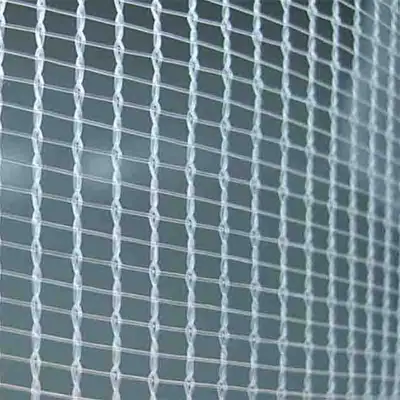
High-density polyethylene shade cloth is made from monofilament and tape yarns, usually knitted (raschel knit). HDPE stays flexible in cold weather, has good UV resistance when stabilized, and the knitted structure allows air to pass freely. It is the dominant greenhouse and nursery material. Polyethylene shade cloth is also used for shade sails, carports and windbreaks.
Polypropylene shade cloth
Polypropylene shade cloth is typically woven from flat tapes or monofilament. PP is slightly lighter (density about 0.90–0.91 g/cm³ versus 0.94–0.96 for HDPE) and stiffer, and is cost-effective. It needs proper UV stabilization for outdoor life, and woven PP cloth can shrink slightly and fray at cut edges unless it is hemmed or bound. Our own Agricultural Sun Shade PP Polypropylene Black UV is a black UV-resistant PP shade net in 30%, 60% and 80% densities. For a deeper look at the polymers, see what is polypropylene and polypropylene vs polyethylene.
| Property | Knitted HDPE shade cloth | Woven PP shade cloth |
|---|---|---|
| Construction | Raschel-knit monofilament/tape | Plain-woven tapes or monofilament |
| Typical weight | 50–250 g/m² | 60–200 g/m² |
| Cut edges | Do not unravel | Fray unless hemmed |
| Airflow | High | Moderate |
| Stretch / wind handling | Flexes and recovers | Stiffer; can shrink ~1–3% |
| Typical outdoor life* | Often 5–10 years | Often 3–6 years |
| Best for | Greenhouses, nurseries, shade sails | Budget cover, ground-level shade, short-term use |
*Typical life depends on UV stabilizer level, sun intensity, wind and installation. Ask the manufacturer for the UV rating (often expressed in kLy, kilolangleys) rather than relying on a number of years.
Knitted vs woven shade cloth: which is better?
For most greenhouse shade cloth applications, knitted is better. It:
- can be cut to size and fitted with clips anywhere without unraveling,
- breathes more freely, which keeps heat from building under the cloth,
- tolerates wind flex and cold weather.
Woven shade cloth still has a place: it is often cheaper per square meter, lies flat, and can be heat-cut or hemmed at the factory. It works well for ground-level shade, seasonal covers and projects where cloth is replaced every few years.
What color shade cloth is best?
Color does not change the shade rating, but it changes temperature, light quality and appearance.
| Color | Effect | Good for |
|---|---|---|
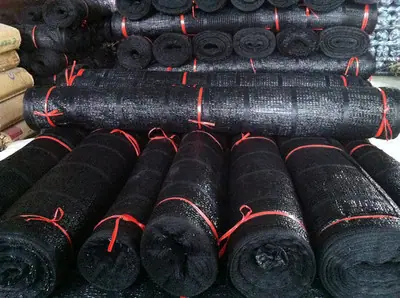
| Black shade cloth | Absorbs heat; most UV-durable; neutral light | General agriculture, nurseries, livestock |
| White shade cloth | Reflects heat; diffuses light; runs cooler | Hot-climate greenhouses, vegetables, flowers |
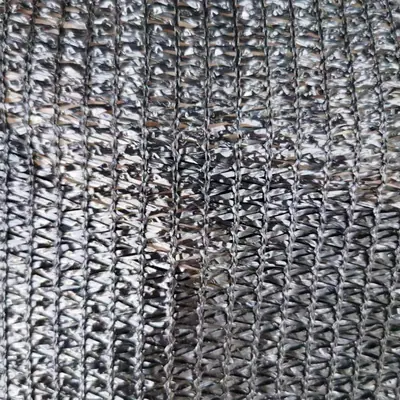
| Aluminized / reflective | Strongest heat reflection | Greenhouse roofs in very hot regions |
| Green shade cloth | Blends visually; slightly alters light spectrum | Gardens, fences, residential areas |
| Brown shade cloth / beige | Natural look | Patios, pergolas, carports |
Black shade cloth must be mounted with an air gap above plants so absorbed heat can escape. White shade cloth is increasingly popular in vegetable greenhouses because diffuse light penetrates deeper into the canopy.
What does "UV shade cloth" mean?
Every outdoor shade fabric degrades under ultraviolet light; UV shade cloth simply means the polymer contains stabilizers (typically HALS, hindered amine light stabilizers) to slow that breakdown. When comparing solar shade fabric from different suppliers, ask:
- What UV stabilizer level is used (often quoted as a kLy rating)?
- Is the resin virgin or recycled? Recycled content can shorten life.
- What is the fabric weight in g/m² at the stated shade percentage?
Two cloths sold as "50%" can differ by 30–40% in weight and by years in service life.
Is shade cloth waterproof?
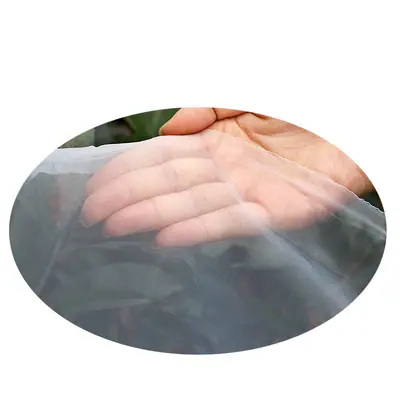
No. Shade cloth is a porous net designed to let air and water through. Light rain will drip through, and heavy rain passes almost unimpeded. That is deliberate: water must drain away rather than pool and overload the frame.
If you need waterproof shade cloth, what you actually need is a different product:
- a PVC-coated polyester or PE tarp for rain cover,
- a greenhouse film (polyethylene) for the roof, with shade cloth over it, or
- a coated woven PP fabric (laminated so the gaps are sealed; see woven vs non-woven polypropylene fabric).
Waterproof covers trap heat and catch wind and snow loads, so frames must be designed for them.
Garden shade cloth beyond the greenhouse
The same sun shade fabric is used in many other places:
- Garden shade cloth over raised beds, hoop rows and seedling benches (see how to secure shade cloth).
- Cattle and livestock shade cloth: 70–80% cloth over feedlots, dairy yards, goat pens and poultry runs reduces heat stress. Use heavier knitted HDPE and a strong frame, because large spans see big wind loads.
- Nursery shade houses: 50–60% for container stock.
- Windbreaks and privacy screens: 80–90% cloth on fences.
Buying shade cloth rolls, bulk and custom sizes
Shade cloth is sold three ways: precut panels with grommets for retail, a shade cloth roll for installers and farms, and custom shade cloth cut and finished to drawing.
Typical roll sizes
| Width | Common roll lengths | Typical use |
|---|---|---|
| 1.8–2 m (6–6.5 ft) | 50 m, 100 m | Garden centers, raised beds |
| 3–4 m (10–13 ft) | 50 m, 100 m | Hoop houses, small greenhouses |
| 6 m (20 ft) | 50 m, 100 m | Commercial greenhouses, livestock |
| 8–12 m (26–40 ft) | Cut to length | Large structures, orchards |
What to specify for bulk shade cloth or a wholesale shade net order
- Shade percentage and color.
- Material and construction: knitted HDPE or woven PP.
- Fabric weight (g/m²) and UV stabilization level.
- Width, roll length and number of rolls.
- Edge finish: raw, hemmed, reinforced tape, grommets (and spacing).
- Packaging and labeling: roll cores, poly wrap, private labels, cartons for retail panels.
Buyers importing for the first time should also read our checklist for importing from China, which covers samples, inspection and shipping terms.
Shade cloth alongside other crop netting
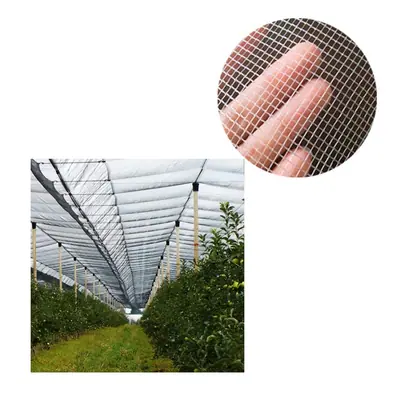
Shade is only one form of crop protection. In many greenhouses, roof shade is combined with insect screens on vents (100% Virgin Plastic Anti-Hail Mesh Net for Greenhouse) and, in storm-prone regions, hail nets such as HDPE White Large Hail protection Net Anti Hail for apple. See our insect netting guide and anti-hail net buying guide for those.
EGP is a factory in Yantai, Shandong, with 24 years as an Alibaba.com supplier. We supply importers, distributors and farms with agricultural netting by the roll or custom cut. Browse the Hail, Shade & Insect Nets range or send us your specification for a quote.
Frequently asked questions
What is the best shade cloth for a greenhouse?
For most greenhouses, knitted HDPE shade cloth in 30–50% with a high UV rating is the best all-round choice. It breathes well, does not unravel when cut, and handles wind. White or reflective cloth is worth considering in very hot climates because it runs cooler at the same rating.
Is knitted or woven shade cloth better?
Knitted shade cloth is better for most greenhouse and garden uses because it is lighter, more breathable and can be cut without fraying. Woven shade cloth is denser and often cheaper, and suits ground-level or short-term shading where edges are hemmed at the factory.
Is black or white shade cloth better for plants?
Both work; the difference is heat. Black shade cloth absorbs heat and needs an air gap above the plants, but it is the most UV-durable. White shade cloth reflects more heat and diffuses light, so it often gives cooler conditions for vegetables and flowers at the same percentage.
Can shade cloth be used as a waterproof cover?
No. Shade cloth is porous and lets rain pass through by design. For a waterproof cover, use a coated tarp, greenhouse film or laminated woven fabric, and make sure the frame can carry rain, wind and snow loads.
How long does greenhouse shade cloth last?
Well-stabilized knitted HDPE shade cloth commonly lasts 5–10 years, and woven PP cloth often 3–6 years, depending on UV intensity, wind and installation. Removing cloth in winter and keeping it tensioned so it does not flap both extend its life.
Can I order custom shade cloth sizes?
Yes. Factories can cut shade cloth to width and length and add hemmed or reinforced edges and grommets. For wholesale orders, provide the shade percentage, color, dimensions, edge finish and quantity when you request a quote.
What is the best garden shade cloth material?
Knitted HDPE (high-density polyethylene) with UV stabiliser is the most common choice: it resists fraying when cut, stays cool and lasts many seasons. Woven polypropylene shade fabric is a lower-cost, stiffer alternative for flat, framed installations.
Can I buy sun shade fabric on a roll?
Yes. Shade cloth is usually produced on rolls (for example 2–6 m wide and 50–100 m long) for growers and installers to cut to size, as well as in finished panels with hemmed edges and grommets.
Is shading cloth for plants the same as sunshade fabric?
Generally yes. Shading cloth for plants, gardening shade cloth and sunshade fabric are names for the same knitted or woven polyethylene or polypropylene fabric, rated by the percentage of sunlight it blocks.