
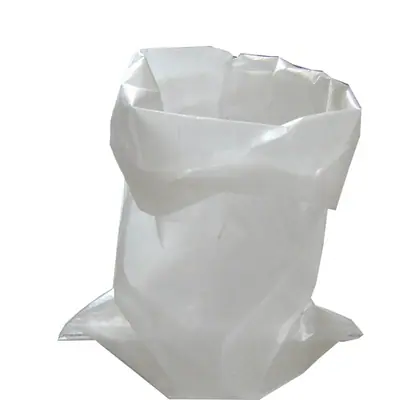
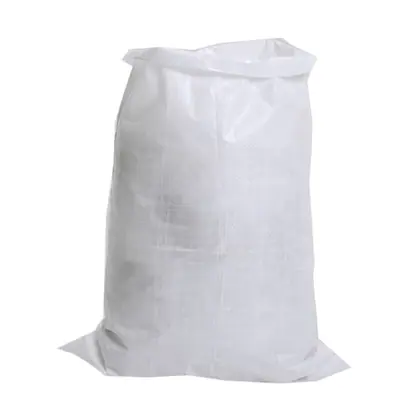
PP Woven Sacks
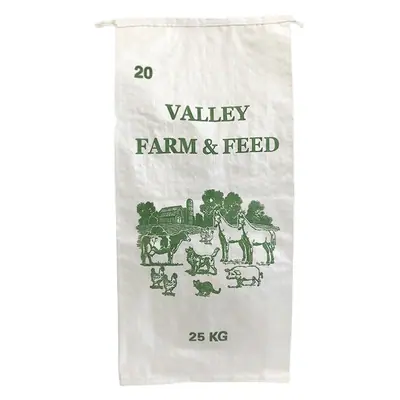
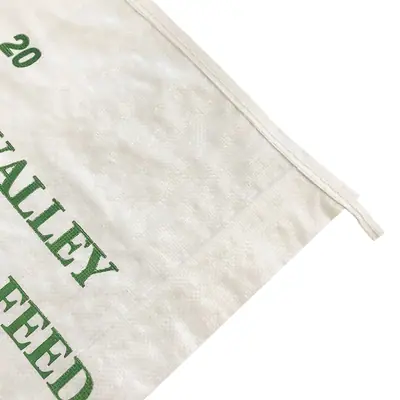
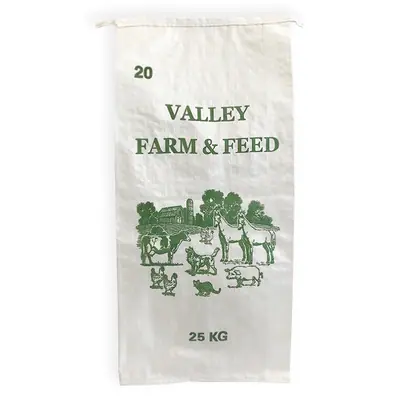
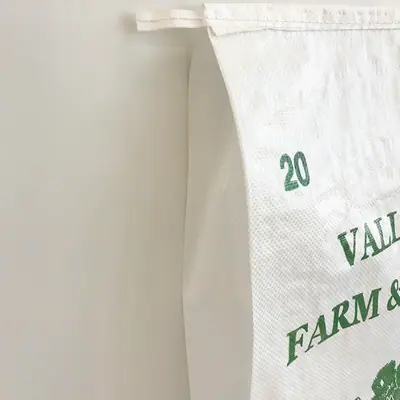
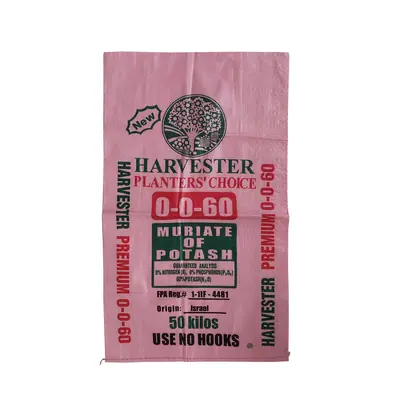
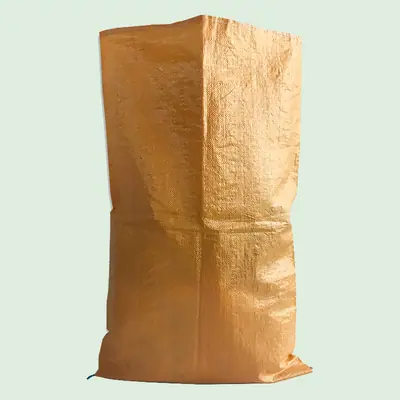
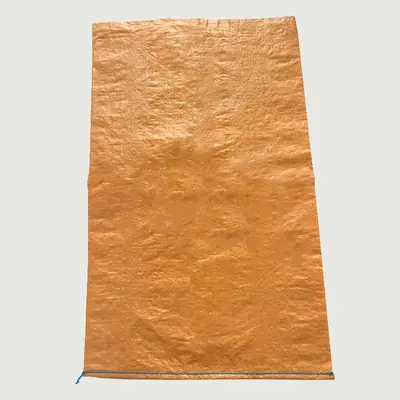
Ventilated Moisture Proof PP Woven Bag with Micro-Perforated Design for Fertilizer & Feed Storage Solutions
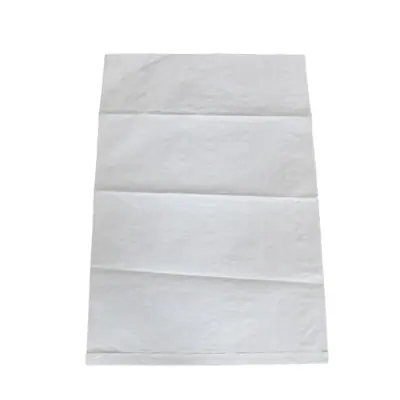
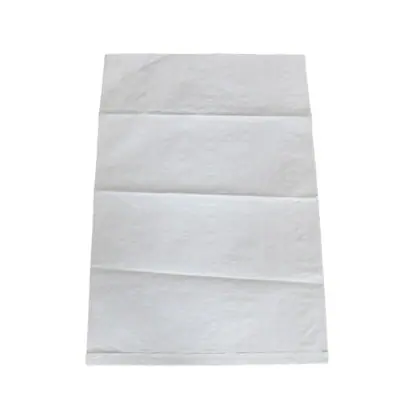
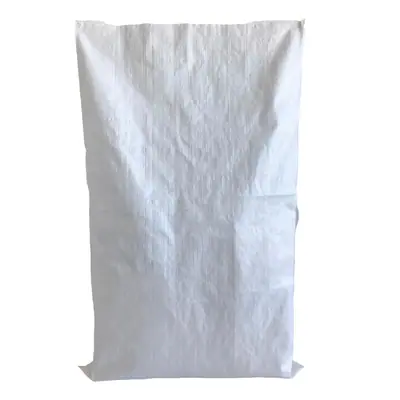
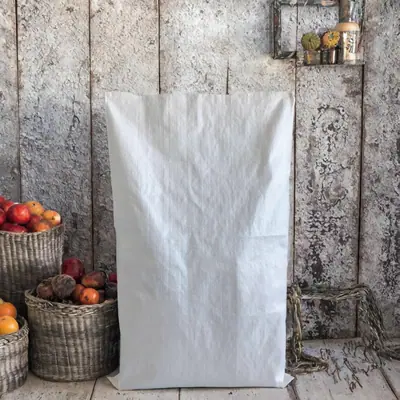
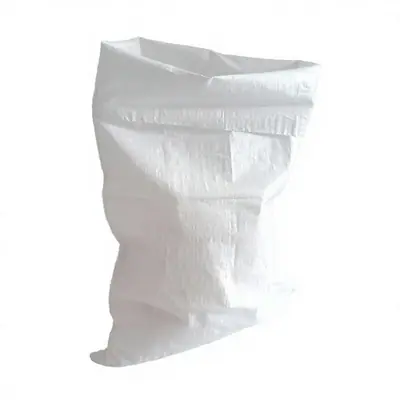
100% new pp material300mm-750mmWoven bag
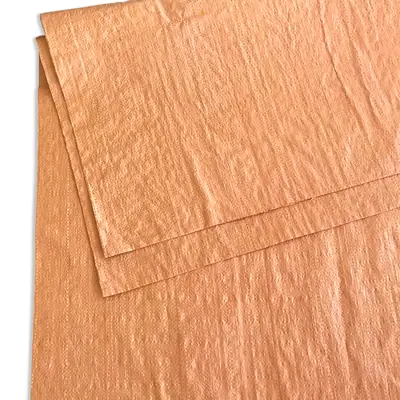
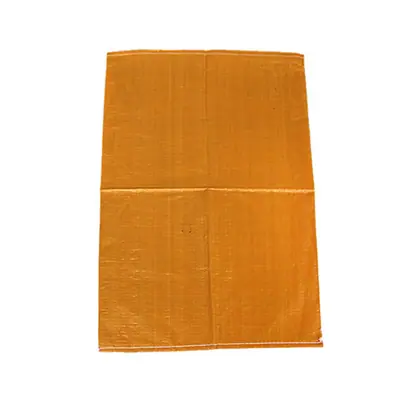
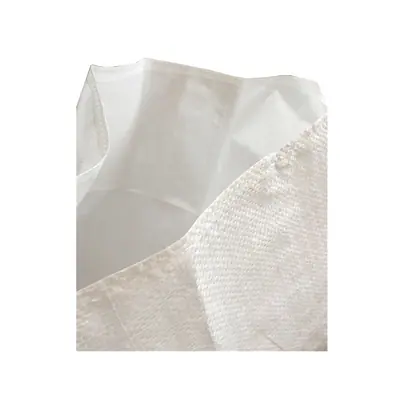
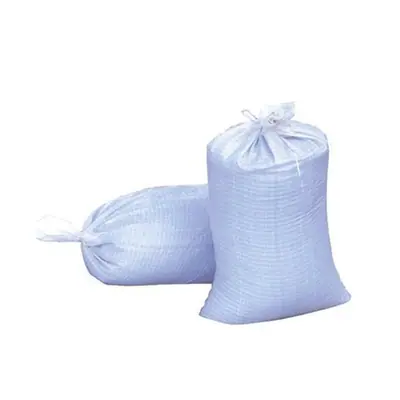
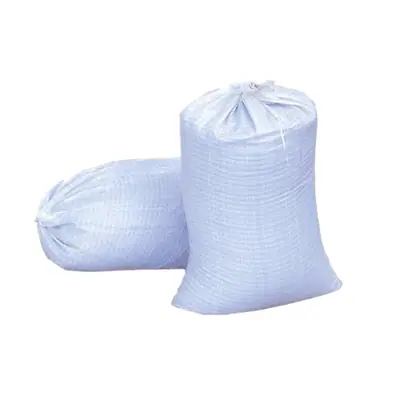
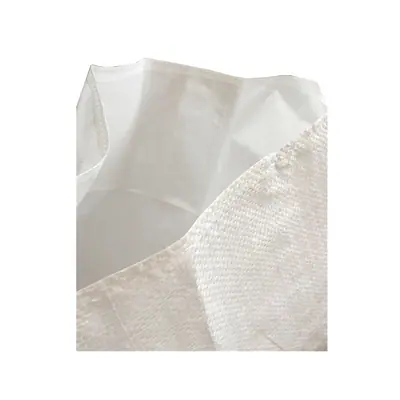
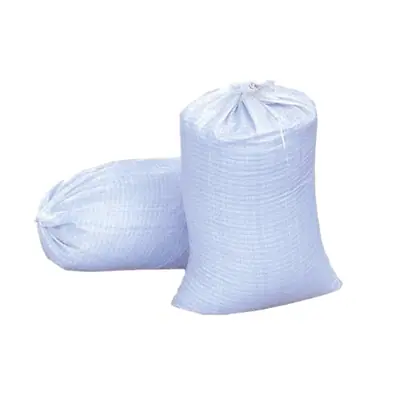
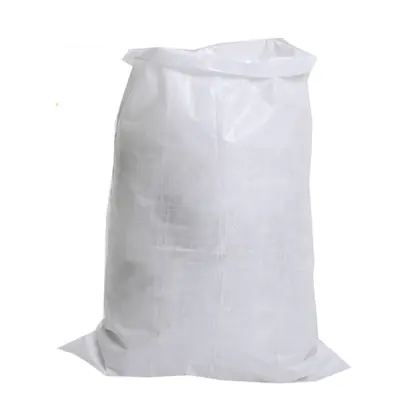
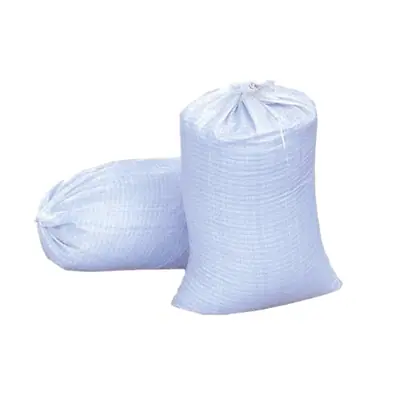
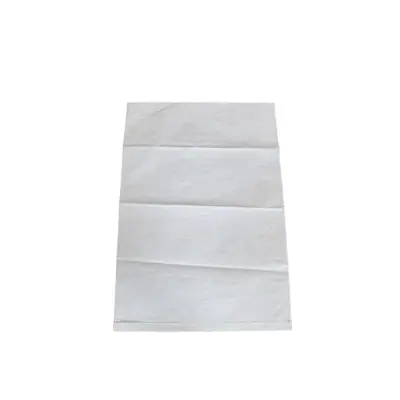
The open-mouth polypropylene woven sack is the workhorse of agricultural and industrial packaging: light, tough, cheap to ship and easy to print. We extrude the tapes and weave the fabric ourselves, so fabric weight, mesh and colour are set to your product and budget.
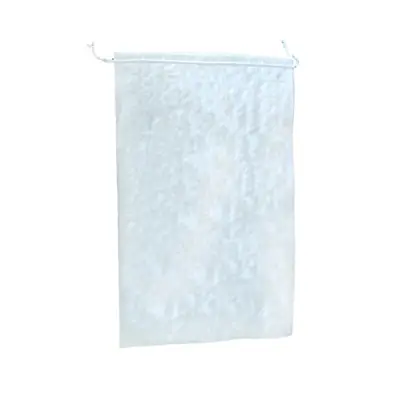
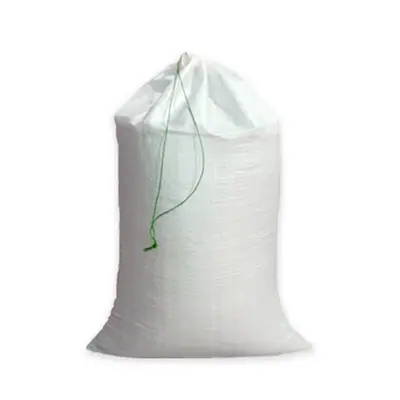
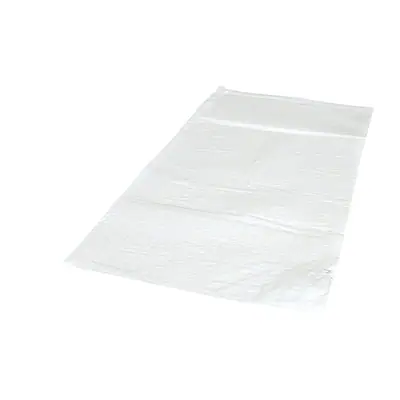
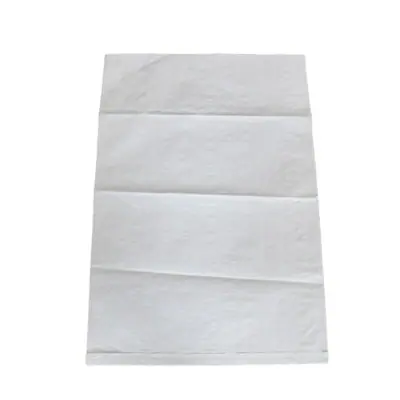
No products match these filters.
Try fewer filters — or tell us your spec and we’ll make it.
Request a custom bagPP Woven Sacks from Yantai Evergreen Packaging Co., Ltd. are used for rice, flour, sugar, grain, feed, fertiliser, salt, sand and construction waste. Use the table to frame your requirement, then send it with your inquiry — we confirm construction, price and lead time in one reply.
| Fabric | 55–120 g/m², 8×8 to 14×14 mesh, white, transparent, black or custom colour. |
|---|---|
| Fill weight | 10 kg to 50 kg (25 kg and 50 kg most common). |
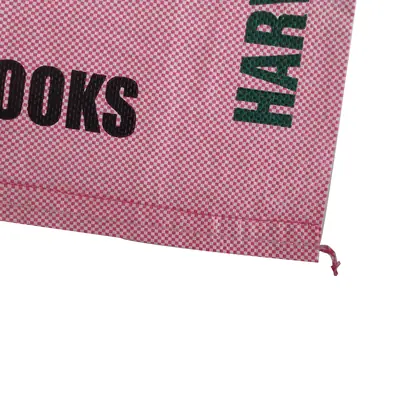
| Options | PE coating or liner, UV stabilisation, hemmed top, drawstring, gusset, anti-slip. |
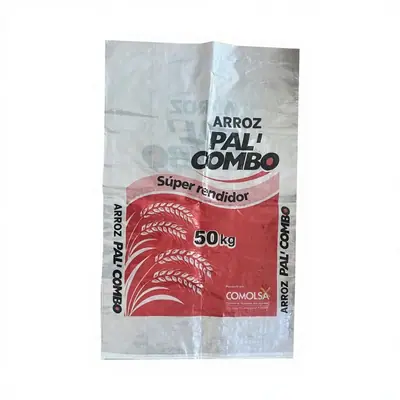
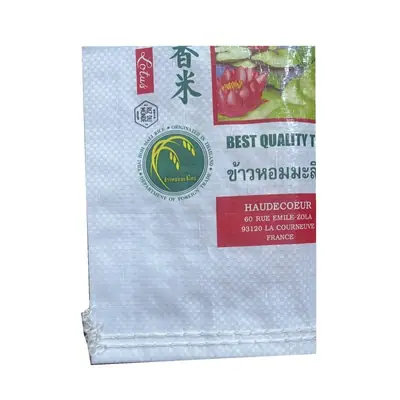
| Offset or flexo print on one or both sides. |
Also searched as: woven polypropylene bags, poly woven bags, PP bags, sandbags, grain bags, rice bags, feed sacks, potato sacks, rubble and builders bags and industrial sacks.
For grain, sugar or fertiliser at 50 kg, 80–100 g/m² fabric is common. Lighter 60–70 g/m² works for 25 kg loads. Sharp or abrasive products such as gravel or slag need heavier fabric or a coating.
Uncoated fabric breathes, which suits grain and produce. PE-coated (laminated) fabric blocks moisture and fine dust, which suits flour, sugar, fertiliser and chemicals.
Yes. UV-stabilised polypropylene is available for sandbags, construction waste and any bag stored outdoors.
Yes — PP is resin code 5 and woven sacks, BOPP and bulk bags are commonly mono-material PP, though collection depends on local programs. See is polypropylene recyclable.
Yes. UV-treated woven PP is the standard sandbag material — it is strong, rot-proof and cheaper than burlap. A typical bag is 14 × 26 in. Use our sandbag calculator to estimate quantities.
Polypropylene (PP) is a light, tough thermoplastic (resin code 5) that is stretched into tapes and woven into fabric for bags. Read what is polypropylene.
Share your product, fill weight and destination. A packaging engineer replies with a construction, price and lead time — usually within 8 hours.