Key takeaways
- The standard sand bag is a 14 x 26 in (36 x 66 cm) woven polypropylene sack, filled half to two-thirds full to about 35–40 lb (16–18 kg).
- Polypropylene outlasts burlap in storage and in water; burlap is chosen where biodegradability matters.
- Specify UV stabilization for any bag that will stay outdoors more than a few weeks; black bags generally hold up longest in sun.
- Sandbag cost is driven by fabric weight, UV package, size, tie closure, printing and order quantity.
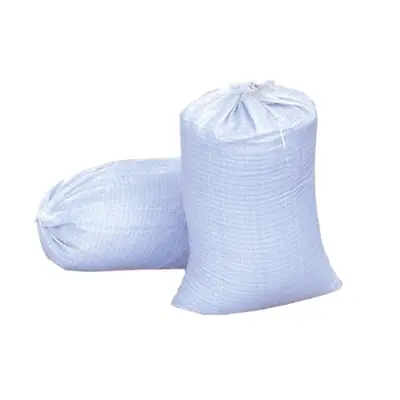
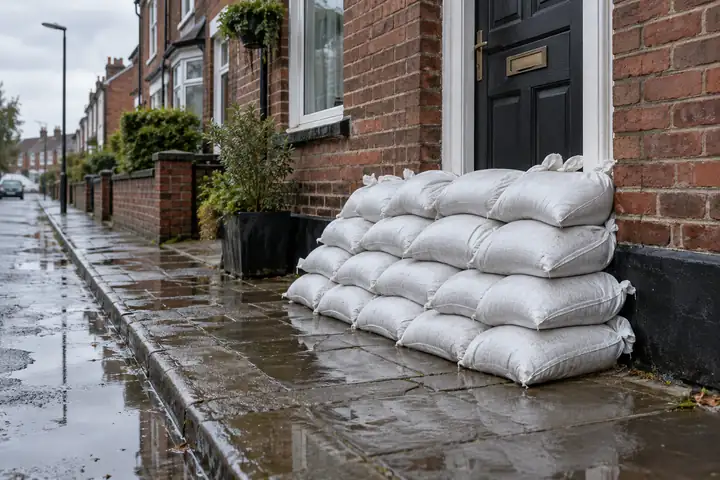
Sand bags for flood control, erosion work and construction are almost always empty woven polypropylene (PP) sacks, about 14 x 26 in (36 x 66 cm), filled on site with sand to roughly 35–40 lb (16–18 kg). The bag that serves you best depends on how long it will sit in sunlight, what you will fill it with, and whether you need ties, color or printing. This guide explains each choice so you can buy empty sandbags in bulk with confidence.
If you already have bags and need to deploy them, go straight to our guide on how to fill and stack sandbags for flooding. To estimate quantities, use how many sandbags do I need.
What are sand bags made of?
Three materials dominate the market.
Polypropylene sandbags (poly woven sand bags)
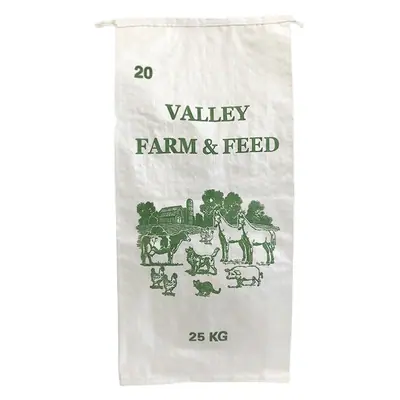
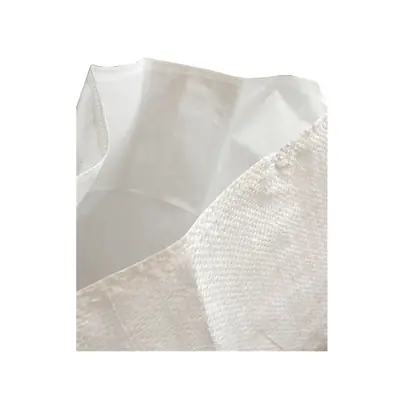
Most modern sandbags are poly woven sand bags: flat PP tapes are woven into a fabric, cut, and sewn at the bottom with an open top. Polypropylene sandbags:
- Do not rot, so they can be stored for years in a dry warehouse.
- Have high tensile strength for their weight, so they survive throwing, stacking and dragging.
- Shed water and dry quickly after use.
- Need UV stabilizers, because untreated PP degrades in sunlight.
For a deeper look at the fabric itself, see our woven polypropylene bags guide.
Burlap sandbags
Burlap sandbags are woven from jute. They grip each other well in a wall and are biodegradable, which some agencies prefer for temporary works near waterways or where bags may be left in place. The trade-offs: burlap absorbs water and gets heavier, can rot or mildew in storage within a season or two if kept damp, and is weaker for the same weight than PP.
Other materials
Some specialty bags use polyethylene (PE) woven fabric, laminated PP, or heavy acrylic and polyester for long-life military or erosion applications. For most buyers, PP is the practical default.
| Property | Polypropylene sandbags | Burlap sandbags |
|---|---|---|
| Typical fabric weight | 70–120 g/m² (2–3.5 oz/yd²) | 200–300 g/m² (6–9 oz/yd²) |
| Shelf life in dry storage | Many years | Rot/mildew risk if damp |
| Water absorption | Very low | High (heavier when wet) |
| Outdoor life in sun | Depends on UV package | Breaks down naturally |
| Biodegradable | No | Yes |
| Relative cost | Lower | Higher |
Fabric weights are typical market ranges, not a standard; check the spec sheet of the bags you buy.
What size are standard sandbags?
The most common size for flood work is 14 x 26 in (about 36 x 66 cm), derived from long-standing military and emergency-management practice. Filled half to two-thirds full and folded or tied, it weighs about 35–40 lb (16–18 kg) — heavy enough to stay put, light enough for one person to pass along a line repeatedly.
Other sizes exist for specific jobs:
| Bag type | Typical flat size | Typical filled weight | Common use |
|---|---|---|---|
| Mini sandbag | 8 x 12 in (20 x 30 cm) | 5–10 lb (2–5 kg) | Tent and sign weights, drains, small gaps |
| Standard sandbag | 14 x 26 in (36 x 66 cm) | 35–40 lb (16–18 kg) | Flood walls, doorways, erosion |
| Large sand bags | 17 x 30 in to 18 x 30 in (43 x 76 cm) | 50–60 lb (23–27 kg) | Heavier fill, two-person handling |
| Long sandbags | 14 x 36 in or longer | Varies | Door thresholds, continuous lines |
| Bulk / ton bags | 35 x 35 x 35 in (90 x 90 x 90 cm) | Up to about 2,200 lb (1,000 kg) | Machine-placed flood barriers, site work |
Large sand bags are tempting because you need fewer of them, but a bag over about 50 lb (23 kg) is hard to handle safely by hand, especially when wet. For anything bigger, move to machine-handled bulk bags, which are also used as flood barriers in their own right.
Do I need UV resistant sandbags?
Yes, if the bags will be outside for more than a few weeks. Untreated PP can lose much of its strength after a few months of strong sun and then split when moved. UV resistant sandbags contain stabilizer additives in the tape.
UV resistance is commonly quoted in hours of accelerated weathering — for example, a bag rated to retain a stated percentage of its strength after a given number of test hours. Ratings vary widely between suppliers, so compare like with like: same test method, same retained-strength percentage. As a rough rule:
- Emergency stock stored indoors and used for days to weeks: standard UV package is fine.
- Construction sites, slope protection, military or long-term barriers: specify a higher UV package and, ideally, a darker color.
Our UV Stabilized PP Woven Bag with Top Drawstring for Sand is made for sand and construction work, with a tie at the top for fast closing.
Black sandbags vs white sand bags
Color is more than appearance.
- White sand bags are the most common and cheapest. They show contamination and wear, and printed instructions or logos are easy to read.
- Black sandbags use carbon black pigment, which is itself an effective UV absorber. For long outdoor exposure, black bags generally outlast white ones with the same stabilizer package. See our Black PP Woven Corn Bags 50kg 60x92cm Recyclable UV as an example of UV-treated black woven fabric.
- Green, tan or khaki bags blend into landscapes and are often chosen for landscaping, golf courses and defense uses.
Ties, closures and construction details
Sandbag details that affect speed and durability:
- Tie strings sewn into the hem let crews close the bag in seconds. Untied bags can be folded under in a wall, so ties are optional for flood work but useful for transport.
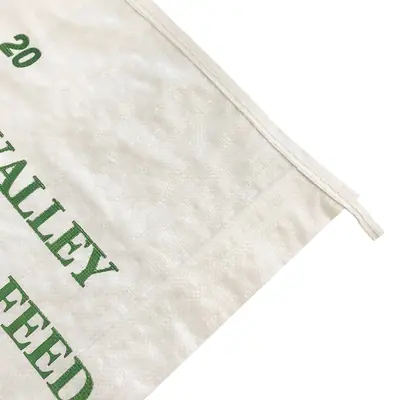
- Bottom seam: a single-fold, single-stitch seam is common; double-fold or double-stitch for heavier or reused bags.
- Hemmed top stops the cut edge from fraying.
- Mesh count (tapes per inch or per 10 cm) and tape width affect how well fine sand stays inside. Tighter weaves sift less.
For harsher industrial use, a heavier fabric such as our Industrial PP Woven Bag Tear-Resistant Fabric High gives more margin against punctures from gravel or debris.
Industrial sandbags and custom sandbags
Industrial sandbags go beyond flood response: ballast for temporary signs and barriers, pipeline weights, shot-blast containment, erosion control at construction sites, and weighting covers on stockpiles. These users often order custom sandbags with:
- Non-standard sizes for a particular ballast weight
- Printed agency or company names, handling instructions or "property of" marking
- Specific colors for site visibility or camouflage
- Laminated or lined fabric where the fill must stay dry — see our Weatherproof PP Woven Bag with UV Stabilization
If you plan to resell, private-label printing is a straightforward way to differentiate a commodity product.
What drives sandbag cost?
Sandbag cost per piece is mainly a function of polypropylene used, plus processing. The main levers:
- Fabric weight (g/m²) — the single biggest factor; heavier fabric costs more but lasts longer.
- Size — more fabric per bag.
- UV package and color — higher stabilizer loading adds cost.
- Ties, hems and stitching — extra materials and labor.
- Printing — number of colors and sides.
- Order quantity and packing — bulk sandbags are usually baled in bundles (often 500 or 1,000 pieces) and priced per thousand. Full-container loads cut freight per bag dramatically.
- Resin prices — PP prices move with oil and propylene markets, so quotes are usually valid for a limited period.
Do not buy on price per bag alone. A cheaper, lighter or un-stabilized bag that splits when lifted after a month in the sun costs more in labor and refilling than it saved.
Where to buy sandbags
The honest answer depends on how many you need:
- Households needing a handful: local hardware and home-improvement stores, farm and garden suppliers and builders' merchants usually have sandbags for sale, especially in flood season. Before forecast floods, many cities, counties, fire stations and public-works yards distribute free sandbags (sometimes with sand) to residents — check your local emergency-management website.
- Contractors and landscapers: builders' merchants and safety-supply distributors stock empty bags by the bundle.
- Municipalities, distributors, retailers and large contractors: buy direct from sand bag manufacturers. Factory-direct supply makes sense when you need thousands to hundreds of thousands of bags, custom printing or a specific UV rating, and can plan ahead of the flood season.
Our importing woven bags from China checklist covers specifications, samples, inspection and shipping if you are sourcing overseas for the first time.
A simple specification for empty sandbags
When you request quotes, send something like this so every supplier prices the same product:
- Material: woven polypropylene, virgin or specified recycled content
- Size: 14 x 26 in (36 x 66 cm) flat
- Fabric weight: e.g. 80–100 g/m²
- UV: stabilized, with test method and target hours
- Color: white, black, green or tan
- Top: hemmed, with or without tie string
- Bottom: single or double fold, single or double stitch
- Printing: none, or details
- Packing: bales of 500 or 1,000; quantity per container
Buying sandbags in bulk from EGP
EGP (Yantai Evergreen Packaging) is a woven polypropylene bag manufacturer in Yantai, Shandong, with 24 years as an Alibaba.com supplier. We supply empty sandbags factory-direct to importers, distributors, municipalities and contractors — custom sizes, colors, UV packages and printing, with MOQ-based pricing. Browse our PP Woven Sacks range or request a quote with your specification.
Frequently asked questions
Are polypropylene or burlap sandbags better?
For most flood and construction uses, polypropylene sandbags are better: they are lighter, stronger, cheaper and can be stored for years without rotting. Burlap sandbags are chosen where biodegradability matters or where bags will be left to break down in place.
How long do UV resistant sandbags last outdoors?
It depends on the UV package, color and local sunlight. Untreated bags can weaken within a few months of strong sun, while well-stabilized bags — especially black ones — are designed to last considerably longer. Ask for the test method and retained-strength figure rather than a vague "UV treated" label.
What size are empty sandbags?
The most common flood sandbag is 14 x 26 in (36 x 66 cm). Mini bags around 8 x 12 in and large sand bags around 17 x 30 in or 18 x 30 in are also common for specific uses.
How are bulk sandbags packed?
Empty sandbags are usually compressed into bales or bundles of 500 or 1,000 pieces, wrapped in woven fabric or film, and loaded loose or palletized into containers.
Can I get custom sandbags with our logo?
Yes. Custom sandbags can be printed with logos, agency names or instructions in one or more colors, and made in non-standard sizes or colors, subject to minimum order quantities.
Where can I buy sandbags?
Homeowners can buy empty sandbags at hardware and farm stores, and many councils and fire stations hand out free bags before floods. Municipalities, distributors and contractors buy in bales of 500–1,000 directly from manufacturers like EGP — request a quote.
Should I buy prefilled sandbags or fillable sand bags?
Prefilled sandbags save time but are heavy and expensive to ship, so they are mainly sold locally. Fillable empty sand bags are cheaper to store and transport, which is why agencies stock flood prevention sandbags empty and fill them on site with sand when a flood warning comes.