
FIBC Bulk Bags
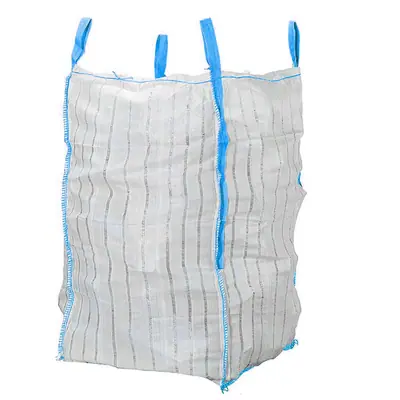
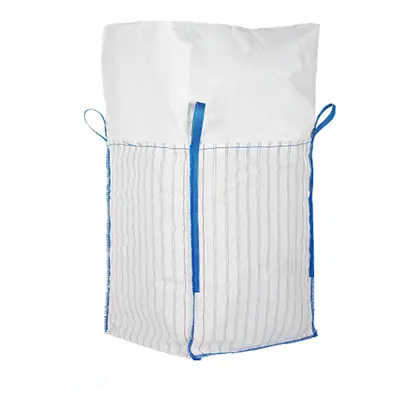
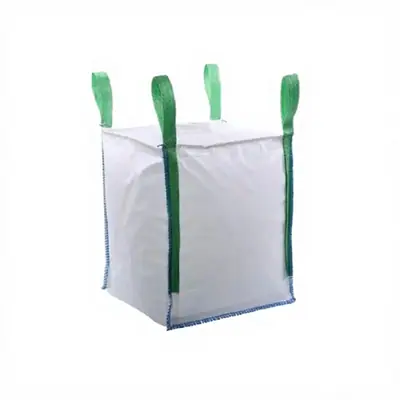
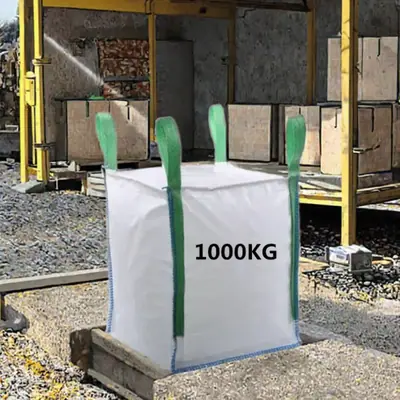
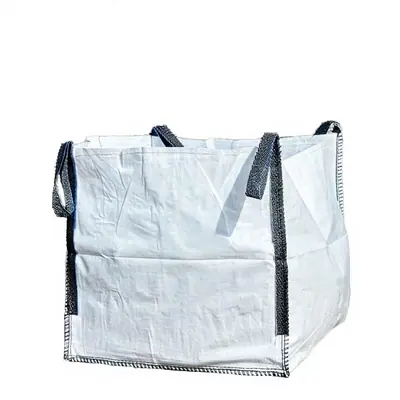
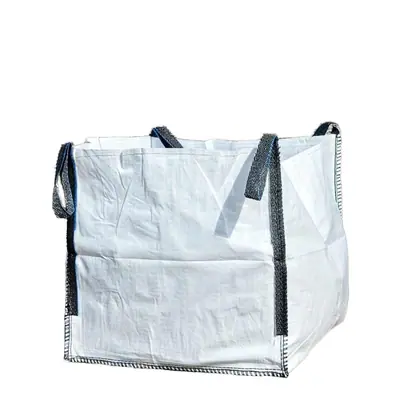
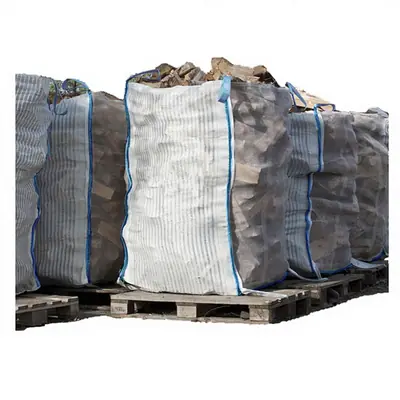
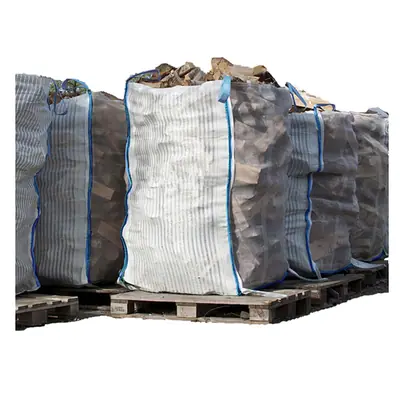
Vented Firewood Bag PP Firewood Bulk Bag Manufacturer Big Mesh Bag
1000kg-2500kg5:1190g/m²
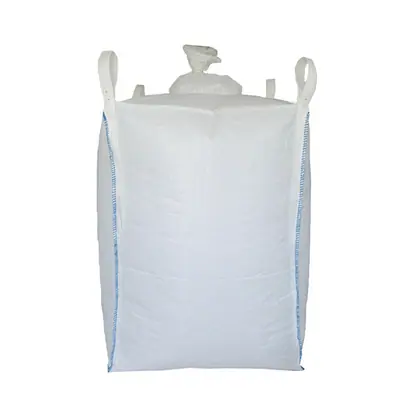
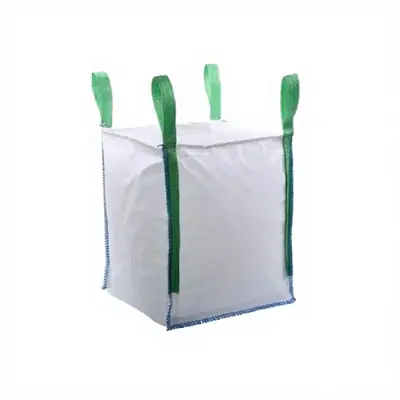
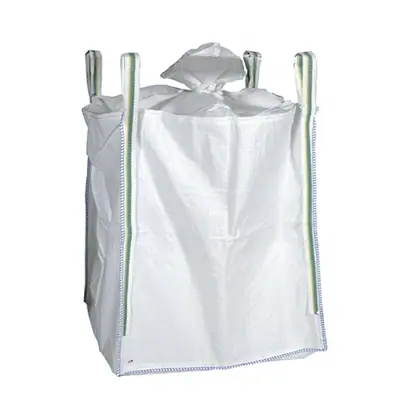
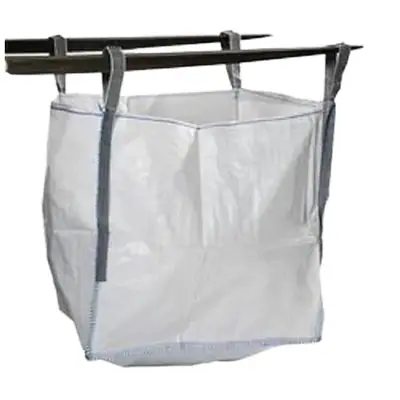
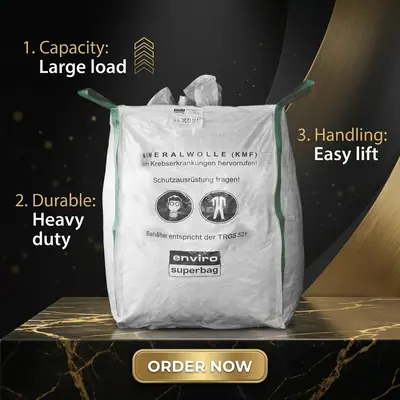
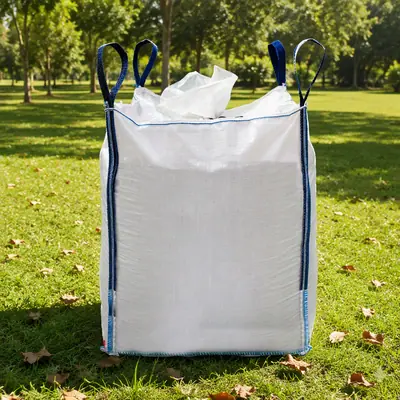
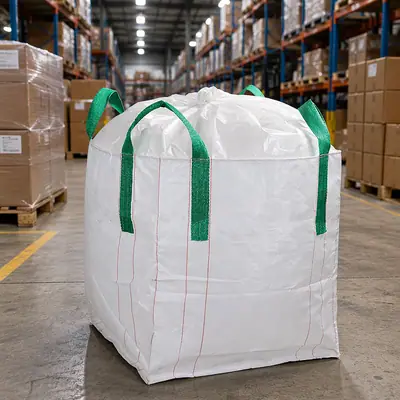
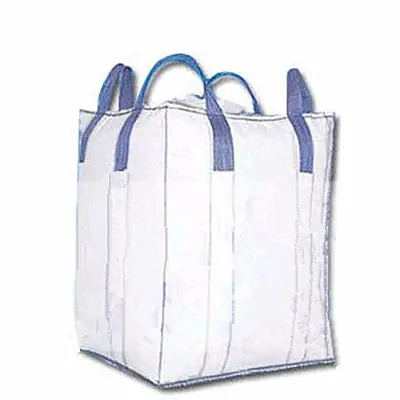
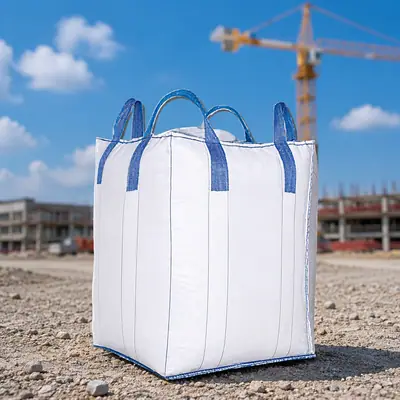
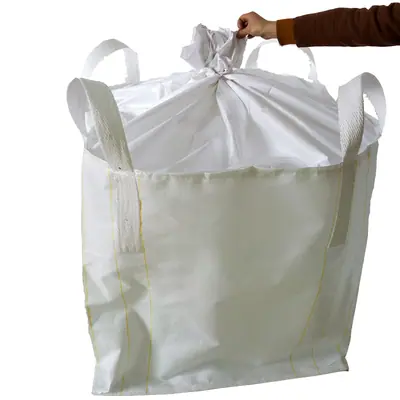
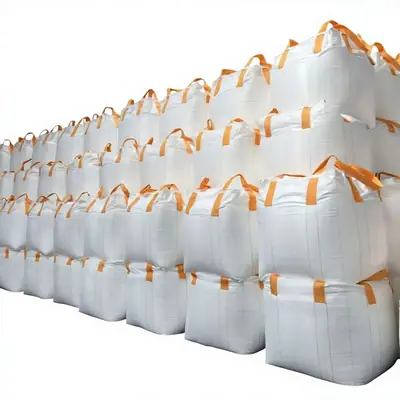
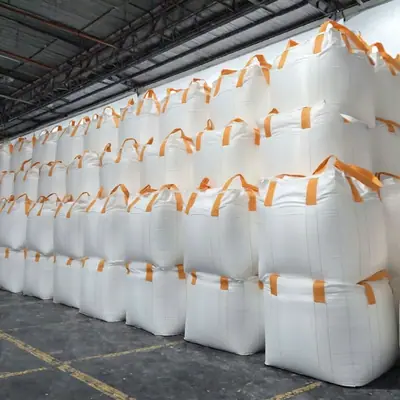
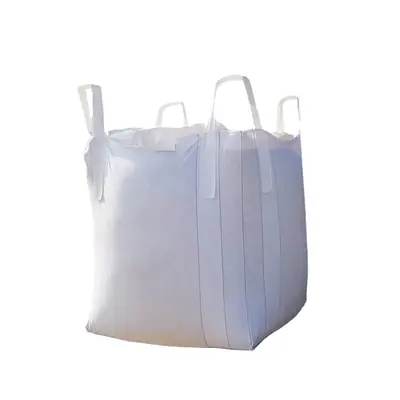
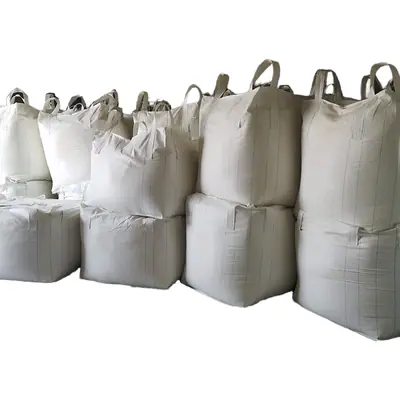
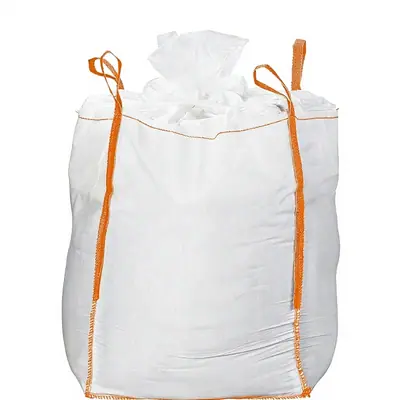
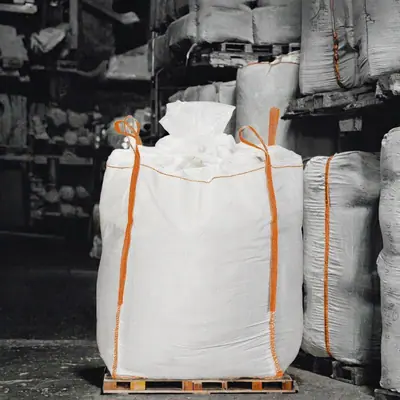
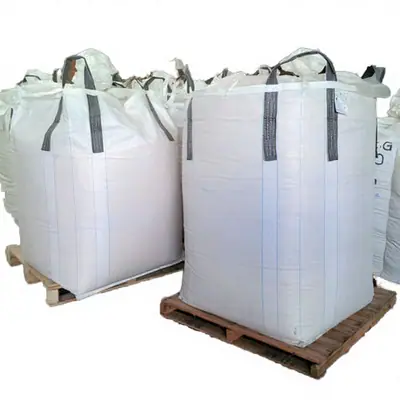
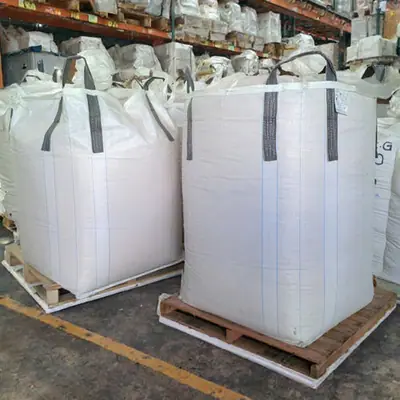
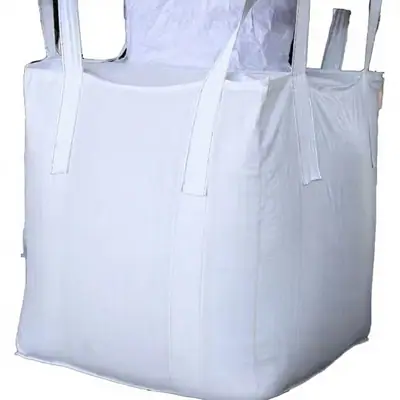
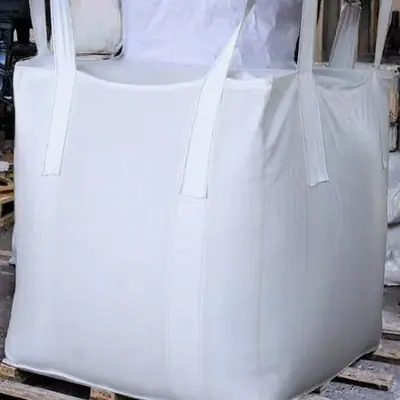
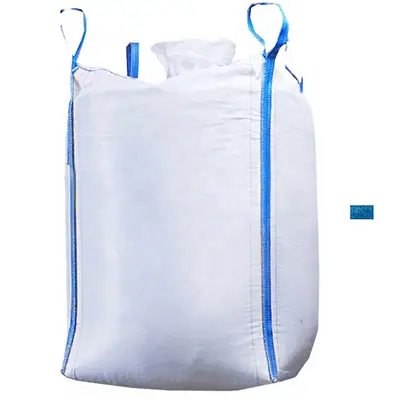
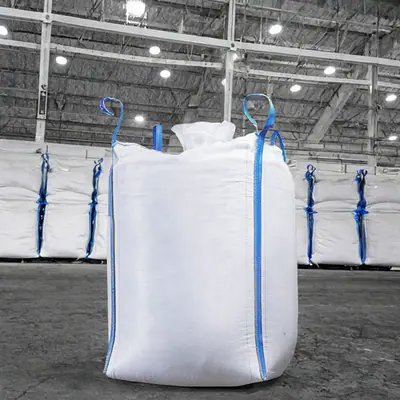
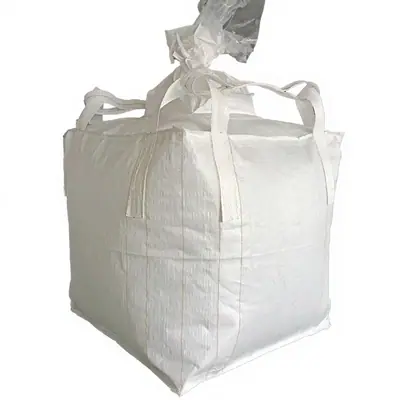
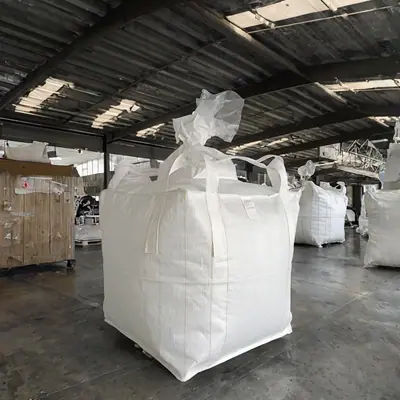
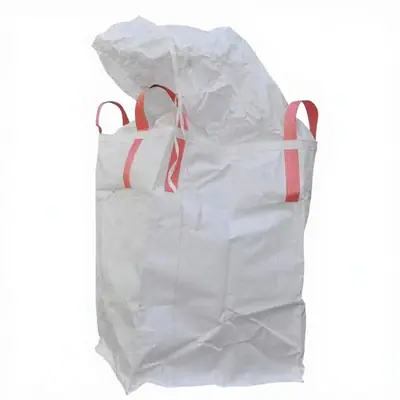
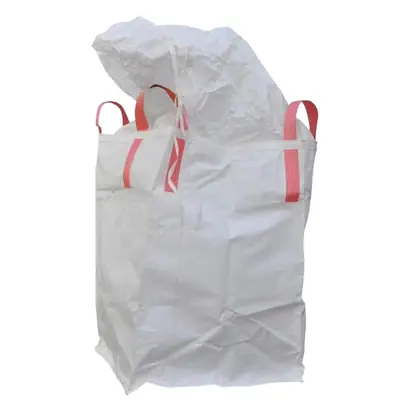
Flexible intermediate bulk containers (FIBCs) move 0.5 to 3 tonnes of dry, flowable product in a single lift. We weave the fabric, cut, sew and test every bag in-house, so loop type, top and bottom configuration, liners and coatings are specified to your filling line and product, not chosen from a stock list.
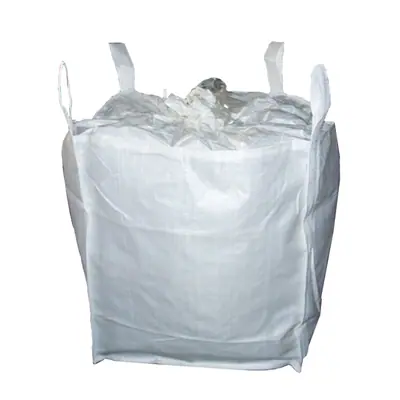
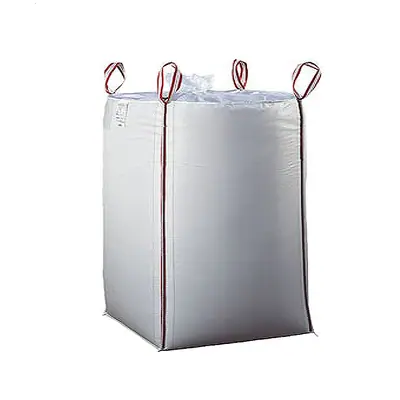
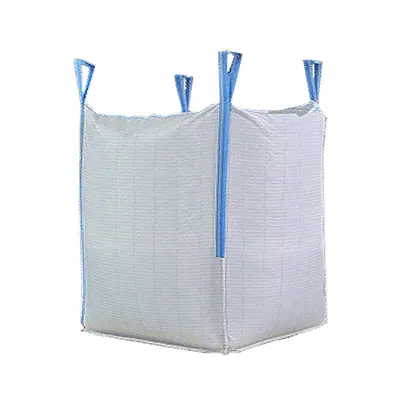
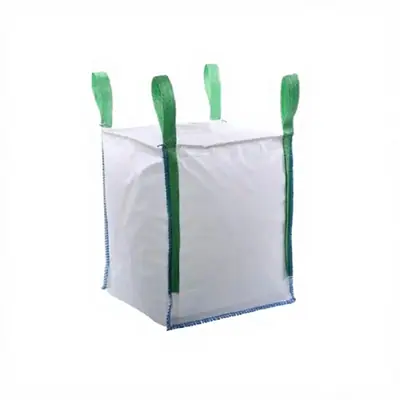
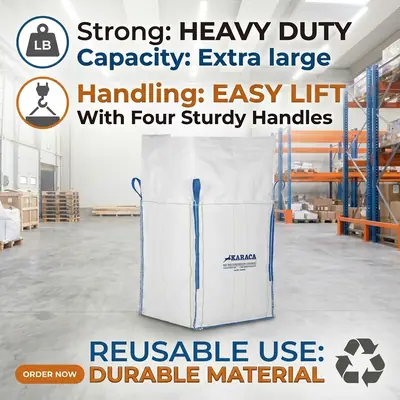
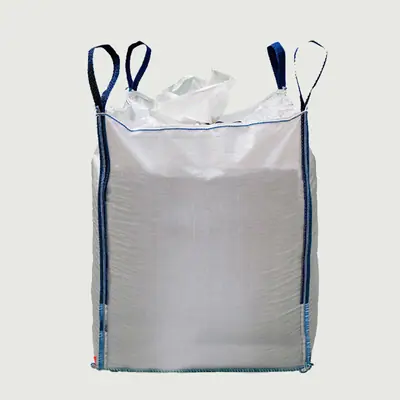
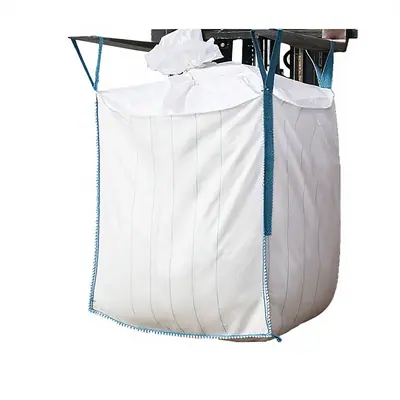
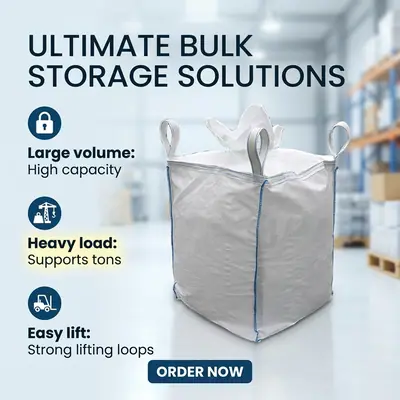
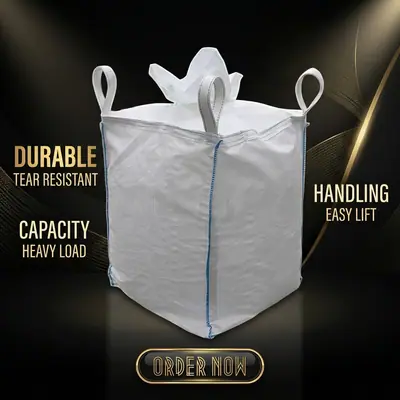
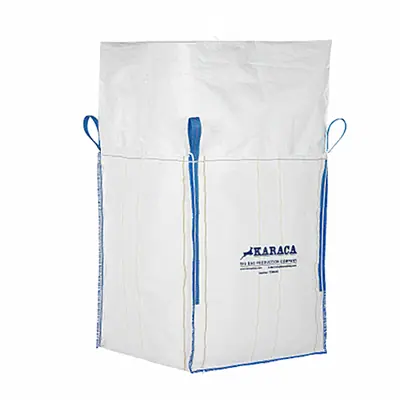
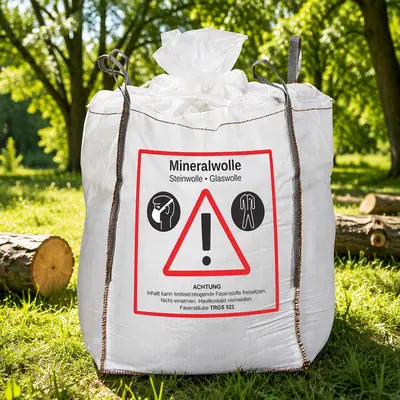
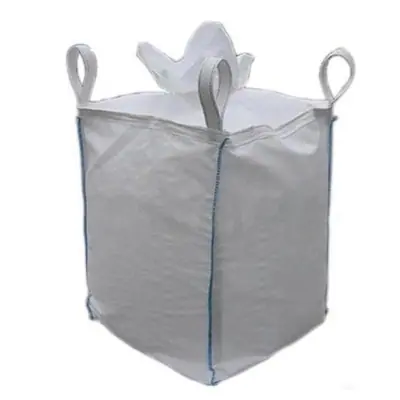
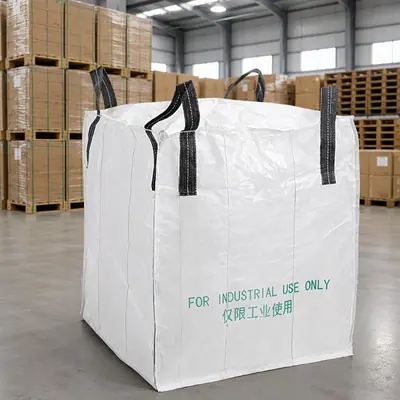
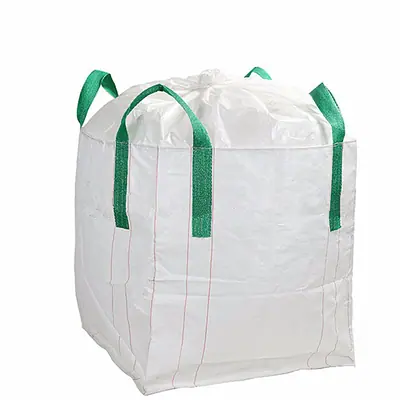
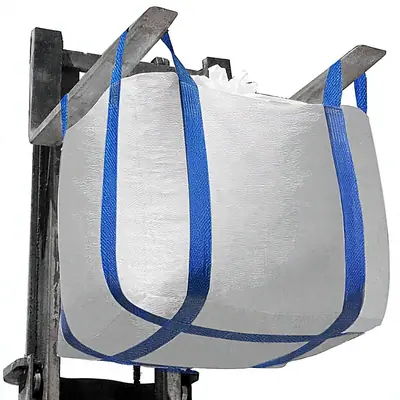
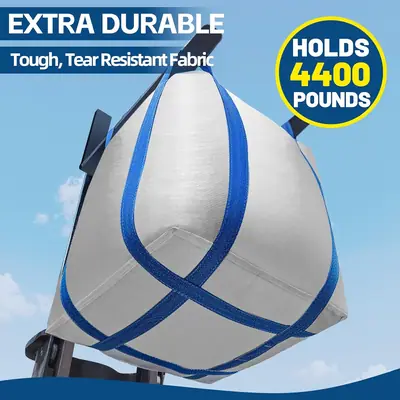
No products match these filters.
Try fewer filters — or tell us your spec and we’ll make it.
Request a custom bagFIBC Bulk Bags from Yantai Evergreen Packaging Co., Ltd. are used for cement, sand, gravel, fertiliser, grain, feed, minerals, firewood, wood chips and recycled materials. Use the table to frame your requirement, then send it with your inquiry — we confirm construction, price and lead time in one reply.
| Safe working load | 500 kg to 3,000 kg, with 5:1 single-trip or 6:1 multi-trip safety factors. |
|---|---|
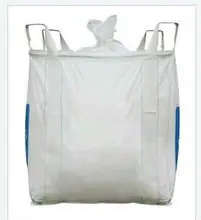
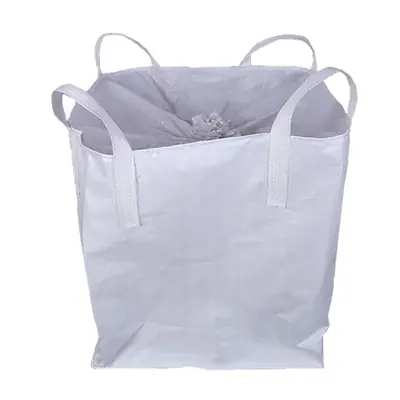
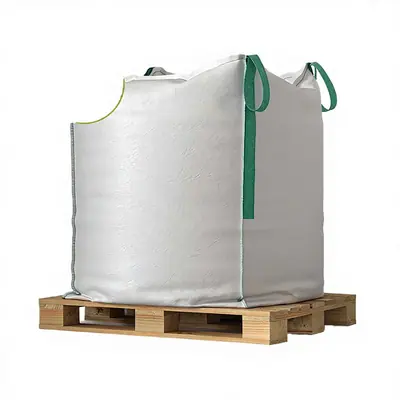
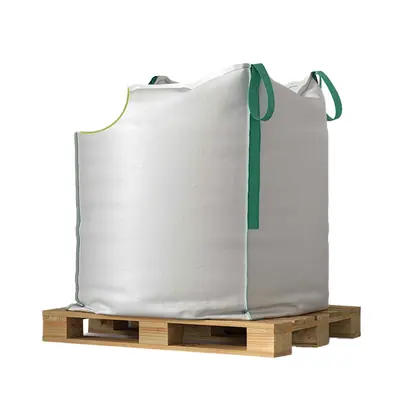
| Constructions | U-panel, four-panel, tubular (circular) and baffle (Q-bag) bodies; vented mesh panels for firewood and produce. |
| Tops & bottoms | Full-open, duffle/skirt, filling spout; flat bottom or discharge spout. |
| Options | PE liners, UV stabilisation, anti-static options on request, food-grade production and custom print. |
The bag is designed to withstand at least five times its rated safe working load (SWL) in a top-lift test before failing. A 1,000 kg SWL bag at 5:1 must survive 5,000 kg in the laboratory. 5:1 bags are intended for single use; 6:1 bags are rated for multiple trips when inspected between uses.
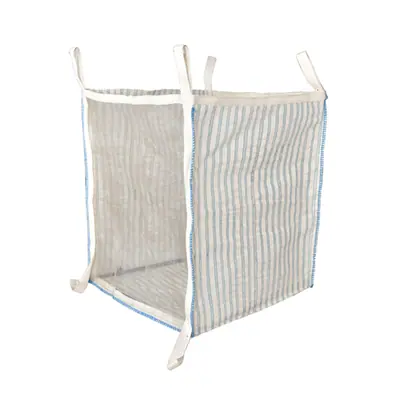
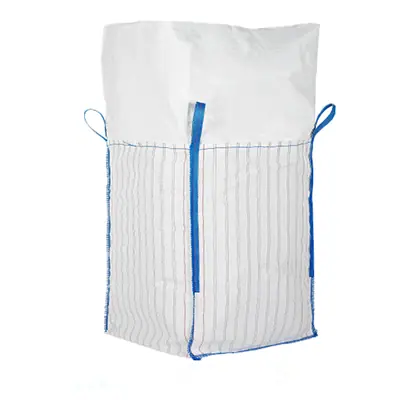
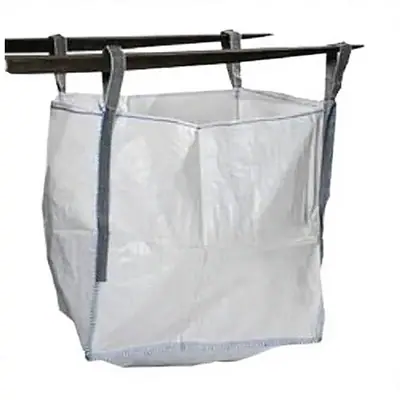
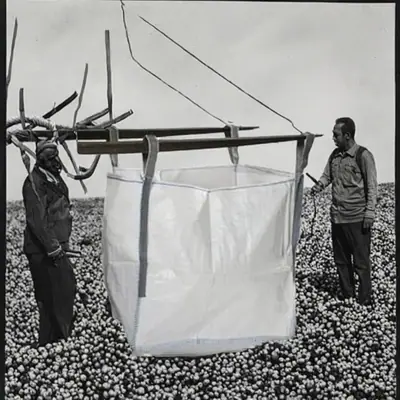
A vented (breathable) bulk bag with mesh side panels lets split logs dry and prevents mould. Typical sizes are 90×90×120 cm or 95×95×135 cm for about 1 m³ loose volume, with four side-seam or cross-corner loops for forklift handling.
Yes. PE liners (sewn-in or loose), top filling spouts, bottom discharge spouts with closure flaps and dust-proof seams are all standard options. Tell us your product, bulk density and filling method and we will recommend a configuration.
Share your product, fill weight and destination. A packaging engineer replies with a construction, price and lead time — usually within 8 hours.