Key takeaways
- Contractor bags are thick polyethylene film bags, most often 42 gallons, about 33 x 48 in, 2.5–3 mil — cheap, liquid-resistant and single-use.
- Woven polypropylene rubble sacks resist punctures from nails, glass and broken masonry much better and can be reused, but are not liquid-tight.
- Construction bulk bags handle up to about 1 tonne by machine — but dense rubble can exceed the rated load before the bag looks full.
- Keep hand-carried debris bags to about 50 lb (23 kg) or less.
Contractor bags are heavy-duty polyethylene film trash bags — typically 42 gallons, about 33 x 48 in (84 x 122 cm) and 2.5–3 mil thick — used for drywall, insulation, packaging waste and general cleanup. They are inexpensive and hold liquids reasonably well, but sharp debris punctures them and a tear spreads fast. For broken masonry, tile, metal offcuts and anything you want to reuse the bag for, woven polypropylene rubble sacks are tougher; for large volumes moved by machine, construction bulk bags are the right tool. Many jobsites use all three.
A note on who we are: EGP makes woven polypropylene sacks and FIBC bulk bags, not plastic-film contractor bags. This comparison is meant to help you pick the right bag for each waste stream, including the ones we do not make.
What are contractor bags?
Contractor bags are extruded from low-density or linear low-density polyethylene (LDPE/LLDPE) film, the same family of plastic as kitchen trash bags but much thicker. Thickness is measured in mil (thousandths of an inch): 1 mil = 25.4 microns.
| Thickness | Metric | Typical use |
|---|---|---|
| 1.5–2 mil | 38–51 µm | Heavy household and yard waste |
| 2.5–3 mil | 64–76 µm | Standard heavy duty contractor bags |
| 4–6 mil | 100–150 µm | Demolition, sharp debris, asbestos-type abatement bags where specified |
Film thickness is only part of the story. Resin blend and film quality affect puncture and tear resistance, so two 3 mil bags can perform very differently.
Contractor bag size
The most common contractor bag size is the 42 gallon contractor bag, roughly 33 x 48 in (84 x 122 cm). Other sizes you will see:
| Nominal capacity | Typical flat size | Notes |
|---|---|---|
| 42 gal (159 L) | 33 x 48 in (84 x 122 cm) | The standard contractor bag |
| 45 gal (170 L) | ~40 x 46 in | Wider, fits larger cans |
| 55–60 gal (208–227 L) | ~38 x 58 in | Drum liners, bulky light waste |
Gallon ratings describe volume, not safe weight. A 42 gallon bag filled with plaster or tile would be far too heavy to lift — see the weight guidance below.
Clear contractor bags
Clear contractor bags let you and the hauler see the contents. Some municipalities and commercial buildings require clear bags so that recyclables and prohibited items can be spotted, and crews use them to separate waste streams on site. Black bags hide contents and are preferred where privacy or appearance matters.
Bulk contractor bags
Bulk contractor bags are sold by the case or roll, often in counts of 20 to 50 per box for retail and larger counts for trade. Buy by the case only after testing a sample with your actual debris.
Why contractor bags fail on construction debris
Film bags are excellent for soft, light waste: drywall scraps, insulation, cardboard, packaging, sweepings. They struggle with:
- Sharp edges — nails, screws, metal studs, glass, broken tile and masonry punch through film.
- Point loads — a corner of concrete puts all its weight on a tiny area.
- Dragging — film abrades quickly on concrete and asphalt.
- Tear propagation — once a film bag is punctured, the tear runs, and the bag can split open when lifted.
That is where woven bags differ.
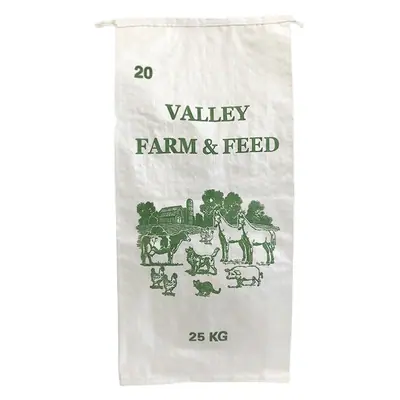
Woven polypropylene rubble sacks (builders bags)
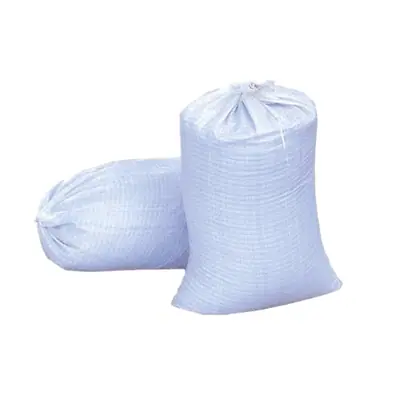
A woven rubble sack is made from flat polypropylene tapes woven into fabric — the same construction as a sandbag or feed sack. In the UK and elsewhere these are often called builders bags or rubble sacks; the term "builders bag" is also used for the one-tonne bulk bags that aggregate is delivered in.
Why woven works better for debris:
- Puncture and tear resistance: a sharp edge parts a few tapes instead of tearing a sheet; damage stays local.
- Reusable: sturdy heavy duty sacks survive many trips to the skip or dumpster.
- Abrasion resistance: they can be dragged short distances without shredding.
- Breathable: good for garden waste that would sweat and rot in film.
Limitations, honestly:
- Not liquid-tight. Wet plaster slurry, paint and liquids leak through uncoated weave.
- Fine dust sifts through an uncoated fabric; use a coated (laminated) or lined sack for fine materials.
- Not ideal for food waste or wet garbage. Film is better there.
- Higher cost per bag than thin film, offset by reuse.
Our Industrial PP Woven Bag Tear-Resistant Fabric High and Heavy Duty Moisture Proof PP Woven Bag with Reinforced are examples of heavy woven sacks suited to rubble and jobsite waste. For more on the material, see polypropylene vs polyethylene bags.
Comparison: which debris bag for which job?
| Feature | Plastic-film contractor bag | Woven PP rubble sack | Construction bulk bag (FIBC) |
|---|---|---|---|
| Material | LDPE/LLDPE film, 2.5–6 mil | Woven PP fabric, often 90–150 g/m² | Heavy woven PP, rated SWL |
| Typical size | 33 x 48 in (42 gal) | ~20 x 31 in to 26 x 39 in (50 x 80 to 65 x 100 cm) | ~35 x 35 x 35 in (90 x 90 x 90 cm) |
| Practical load | Hand-carry, keep to ~50 lb (23 kg) | Hand-carry, keep to ~50 lb (23 kg) | Up to rated SWL, often 1,000 kg (2,200 lb), by machine |
| Sharp debris | Poor | Good | Good |
| Liquids | Fair to good | Poor unless coated or lined | Poor unless coated or lined |
| Reusable | No | Yes | Sometimes |
| Best for | Drywall, insulation, packaging, sweepings, wet waste | Masonry, tile, metal offcuts, soil, garden waste | Large renovation and site clearance volumes |
Sizes and weights are typical; check what your bags are rated for and what your waste hauler accepts.
How heavy can a debris bag be?
The limit is usually your back, not the bag. Manual-handling guidance in many countries treats around 50 lb (23–25 kg) as a sensible upper figure for a single person lifting close to the body, and less for awkward or repeated lifts.
Dense debris reaches that quickly:
| Material | Approx. bulk density | Volume that weighs ~50 lb (23 kg) |
|---|---|---|
| Broken concrete / brick rubble | 1.2–1.6 t/m³ (75–100 lb/ft³) | about 0.5–0.65 cu ft (14–19 L) |
| Soil | 1.1–1.5 t/m³ | about 0.55–0.7 cu ft (15–21 L) |
| Mixed renovation debris | 0.3–0.6 t/m³ | about 1.4–2.7 cu ft (38–77 L) |
| Leaves, light yard waste | 0.1–0.2 t/m³ | most of a large bag |
So a rubble sack holding broken concrete should be filled only partway, and a 42 gallon (159 L) bag should never be filled with masonry.
Construction bulk bags for waste disposal
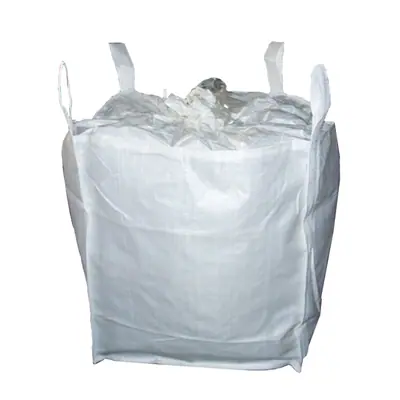
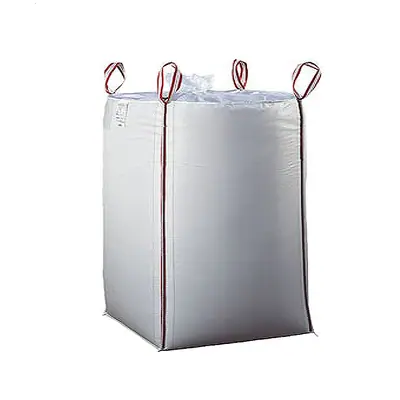
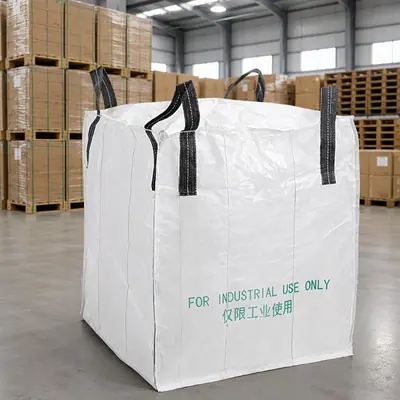
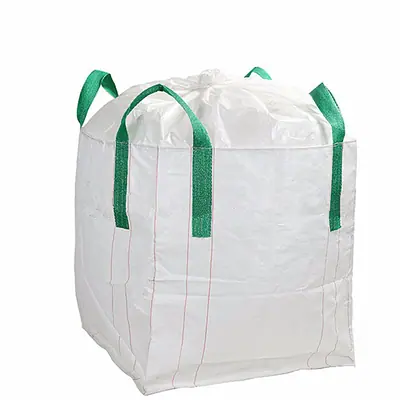
For gut renovations, landscaping and site clearance, construction bulk bags — one-tonne FIBCs, often sold as skip bags — replace dozens of small sacks. Fill them where they stand, then a waste contractor lifts them onto a truck with a crane or loader. This is the usual model for jumbo bags waste disposal: you buy or are supplied the bag, and the hauler charges for collection.
Key safety point: a bulk bag can be overloaded long before it looks full. A 90 x 90 x 90 cm bag holds about 0.73 m³; filled with rubble or soil at 1.4–1.6 t/m³ that is roughly 1.0–1.2 tonnes, which can exceed a 1,000 kg safe working load. For dense debris, fill only about two-thirds to three-quarters full, and follow the hauler's maximum weight.
Other good practice:
- Use bags with a rated SWL and safety factor; see our FIBC safety factor guide and super sacks guide.
- Lift only by all loops, with rated equipment, and never stand under a suspended bag.
- Keep sharp items such as rebar ends away from the fabric, or pad them.
- Place the bag where the collection truck's crane can reach it.
Heavy-duty bags such as our Reinforced Seam Jumbo Big Bag High Breaking Strength and Durable Breathable PP Woven Flat Bottom Jumbo Bags 1000kg are built for dense, abrasive materials. Whether a used bulk bag can be reused depends on its condition and rating; see FIBC recycling and reuse.
Yard debris bags and garden sacks
Yard debris bags have their own rules:
- Many municipal yard-waste programs require paper lawn and leaf bags (commonly around 30 gallons) or bundled brush, and refuse plastic bags because the waste is composted.
- For moving leaves, clippings and prunings around a property, reusable woven garden sacks — often with handles — outlast film bags many times over and do not trap moisture.
- Large woven or bulk-bag-style garden bags suit landscapers collecting volume to haul to a green-waste site.
Check your local program before buying.
Best contractor bags: how to choose
There is no single best contractor bag; there is a best bag for each waste stream.
- Soft, light, or wet waste (drywall, insulation, packaging, food): film contractor bags, 3 mil or heavier. Choose clear if your building or city requires it.
- Sharp, heavy, abrasive debris (masonry, tile, metal, soil): woven polypropylene rubble sacks, filled to a safe hand-carry weight.
- Large volumes collected by truck: construction bulk bags with a rated SWL, filled with density in mind.
- Fine dust (plaster, cement, insulation dust): coated or lined woven sacks, or double film bags.
- Garden waste: paper bags if your program requires them; woven garden sacks for reuse.
Sourcing woven debris sacks and bulk bags
EGP manufactures woven polypropylene sacks and FIBC bulk bags in Yantai, China, for distributors, retailers, waste-management firms and contractors who buy in volume. We can make custom sizes, colors, coatings, handles and printing — useful for private-label rubble sacks or branded skip bags. Browse our PP Woven Sacks and FIBC Bulk Bags ranges or request a quote.
Frequently asked questions
What size is a standard contractor bag?
The most common contractor bag is 42 gallons, about 33 x 48 in (84 x 122 cm), usually 2.5–3 mil thick. Larger 45 and 55–60 gallon sizes are also sold.
What mil thickness do heavy duty contractor bags need?
About 3 mil is standard for construction cleanup. For demolition or sharp debris, 4–6 mil film helps, but woven polypropylene sacks resist punctures much better than any film.
Are woven rubble sacks better than contractor bags?
For sharp, heavy debris like broken masonry and tile, yes: woven sacks resist punctures and can be reused. For liquids, wet waste and fine dust, film contractor bags or coated woven sacks work better.
How much weight can a construction bulk bag hold?
Most construction bulk bags are rated around 1,000 kg (2,200 lb) safe working load; check the label. Dense rubble can exceed that before the bag is full, so fill heavy debris only partway.
Why do some places require clear contractor bags?
Clear bags let haulers and building managers see the contents, so recyclables and prohibited items can be identified. Check your local or building rules before buying.
Can I put yard debris in contractor bags?
Some municipal yard-waste programs do not accept plastic bags because the material is composted; they require paper bags or bundled brush. Check your local program first.
What are yard bags?
Yard bags are large sacks for garden waste such as leaves, cuttings and soil. Paper yard bags suit municipal composting collections; woven polypropylene garden sacks are reusable and handle heavier, sharper material.