Key takeaways
- Burlap sacks are woven from jute (sometimes hemp); "hessian" and "gunny" are regional names for the same kind of sack.
- Burlap is natural and biodegradable, breathes well and grips when stacked, but it rots when wet, sheds fibers and weighs more.
- Woven polypropylene sacks are lighter, stronger per gram, moisture-resistant and cheaper, but are plastic and need UV stabilization outdoors.
- Choose burlap where biodegradability or look matters; choose woven PP for heavy duty, wet storage and bulk volume.
Burlap sacks are coarse, loosely woven bags made from jute fiber (occasionally hemp or other plant fibers), used for coffee, cocoa, potatoes, grain, gardening, sandbags and crafts. Compared with woven polypropylene sacks, burlap is natural, breathable and biodegradable, but heavier, weaker when wet and shorter-lived. For heavy duty, damp storage and large volumes, woven PP is usually the more practical choice; for rustic presentation, compostable garden use or plastic-free requirements, burlap wins.
Definition: burlap is a plain-woven fabric of jute or similar bast fibers; a burlap sack is that fabric sewn into a bag.
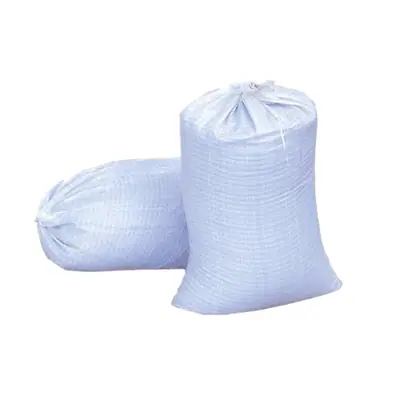
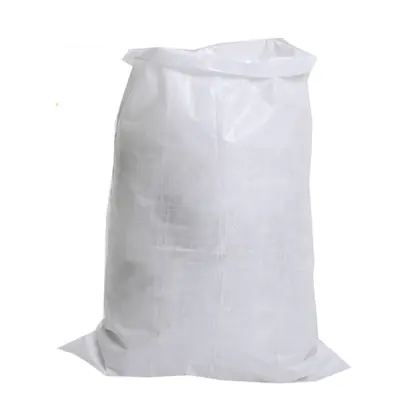
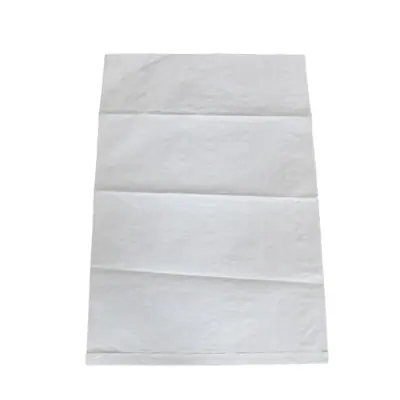
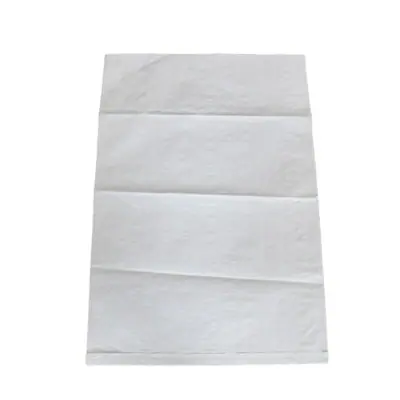
EGP manufactures woven polypropylene sacks, including brown and natural-look woven PP. We do not make jute burlap, so this comparison aims to help you choose the right material, not to steer you to ours.
Burlap, hessian, gunny or jute: what is the difference?
The names overlap and depend on region:
- Burlap: the North American term for coarse jute fabric and sacks.
- Hessian: the British, Irish, Australian and Indian term for the same fabric; "hessian sacks" are burlap sacks.
- Gunny sacks / gunny bags: a term from South Asia, used widely in the US for rough jute sacks, especially for sack races.
- Jute bags: often means finer, printed jute shopping or gift bags rather than heavy sacking.
Most burlap is produced in India and Bangladesh, the world's main jute-growing countries.
Burlap sack sizes and weights
Burlap fabric is usually described by weight per square yard or meter.
| Item | Typical size | Typical fabric weight | Common use |
|---|---|---|---|
| Small burlap bags (gift, favor) | 3 × 5 in to 6 × 10 in (8 × 13 to 15 × 25 cm) | Light, 5–8 oz/yd² | Party favors, sachets, coffee samples |
| Medium burlap bag | 12 × 18 in to 16 × 26 in (30 × 45 to 40 × 65 cm) | 8–10 oz/yd² | Sandbags, crafts, small produce |
| Burlap potato sacks | about 22 × 36 in (55 × 90 cm) for 50 lb (23 kg) | 10–12 oz/yd² | Potatoes, onions, root crops |
| Coffee and cocoa sacks | about 28 × 40 in (70 × 100 cm), 60–70 kg contents | 10–14 oz/yd² | Green coffee beans, cocoa |
| Sack race bags | about 24 × 40 in (60 × 100 cm) | 10–12 oz/yd² | School and party races |
| Large burlap sack | 40 × 60 in (100 × 150 cm) and up | 10–14 oz/yd² | Bulky light goods, wool, cotton |
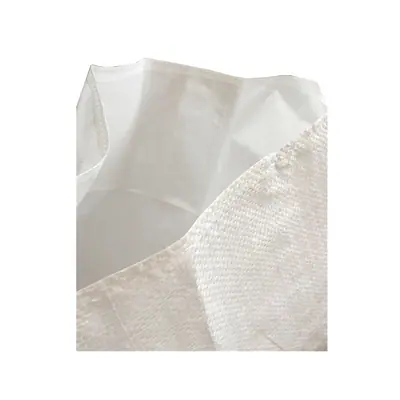
For comparison, a standard 50 kg woven polypropylene sack is about 22 × 36 in (55 × 90 cm) but made of fabric weighing roughly 70–100 g/m² (about 2–3 oz/yd²), a fraction of burlap's 270–400 g/m² (8–12 oz/yd²).
Burlap vs polypropylene sacks: side-by-side
| Property | Burlap (jute) sacks | Woven polypropylene sacks |
|---|---|---|
| Raw material | Natural plant fiber | Plastic (polypropylene) tapes |
| Fabric weight for a 50 kg sack | High, often 300–400 g/m² | Low, about 70–100 g/m² |
| Strength when wet | Drops; rots if kept damp | Unaffected by water |
| Moisture absorption | Absorbs moisture readily | Very low; can be laminated or lined |
| Breathability | Excellent | Good (unlaminated); vented or mesh options |
| Biodegradability | Biodegrades in soil, often within months to a couple of years | Does not biodegrade; recyclable where facilities exist |
| UV resistance | Fair; slowly weakens | Poor unless UV-stabilized; good with stabilizer |
| Stacking grip | Excellent | Good; anti-slip coatings available |
| Shedding / fibers | Sheds fibers and dust | Little shedding |
| Printing | Basic, rustic | Sharp multi-color or laminated print |
| Smell | Can carry an oil or earthy smell | Neutral |
| Relative cost per bag | Higher | Lower |
When burlap is the better choice
- Plastic-free or compostable requirements, such as some organic markets or landscape specifications.
- Rustic or premium presentation: coffee, specialty potatoes, gift packs, decor.
- Products that need to breathe and stay cool, for short storage in dry conditions.
- Garden uses where the sack should rot in place.
When woven polypropylene is the better choice
- Heavy or bulk products: grain, feed, sugar, fertilizer, sand.
- Damp conditions or outdoor storage, with UV-stabilized fabric.
- High volume and tight budgets: lighter fabric and lower cost per bag.
- Branding: printed or laminated designs. See our woven polypropylene bags guide.
Burlap potato sacks and produce
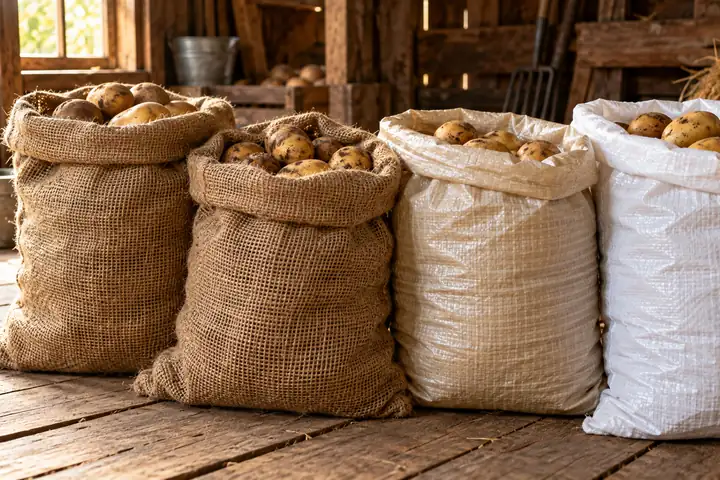
Burlap's breathability and darkness have made it a classic potato sack. In practice, potatoes in burlap must be kept in a cool, dry, dark place; if the sacks get wet they can mold and pass odors. Most commercial potato and onion packing has moved to woven PP and leno mesh sacks, which are lighter and cheaper per ton packed. A breathable PP option is our Recyclable PP Woven Bag with Easy Tie Closure for Potato; see also the potato sacks guide.
Food contact note: jute sacks for food are typically processed with food-grade (vegetable-based) batching oils rather than mineral oils. Ask suppliers which standard their sacks meet.
Burlap sandbags
Burlap sandbags were the standard before woven polypropylene. They still have a niche:
- Pros: biodegradable, so they can be left to rot behind vegetation or in a living wall; good grip when stacked.
- Cons: they rot when repeatedly wet, often within one season outdoors, and are heavier empty.
For flood stockpiles that must sit for years and survive sun, woven PP sandbags with UV stabilization last far longer. Our UV Stabilized PP Woven Bag with Top Drawstring for Sand is a typical example, and our empty sandbags buying guide compares options.
Burlap fabric in the garden: weed barrier and landscape uses
Burlap fabric has several garden roles:
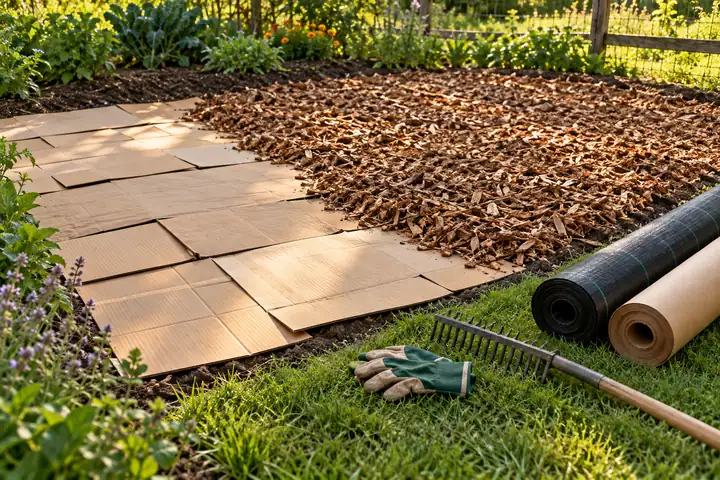
- Burlap weed barrier: a layer under mulch suppresses weeds for one season, then breaks down and adds organic matter. It lets water through but weeds can grow through the open weave once it thins.
- Burlap landscape fabric on slopes: open-weave jute netting holds seed and mulch until grass establishes.
- Winter wrapping: shields shrubs from wind and road salt spray.
- Root ball wrapping for balled-and-burlapped trees; natural burlap can be left partly in place, but synthetic look-alikes must be removed before planting.
- Seed covering: holds moisture over newly sown grass.
If you need a weed barrier that lasts several years, woven PP landscape fabric is the longer-lasting option; see landscape fabric pros and cons and cardboard and other alternatives.
Burlap sacks for sack races
Sack race bags need to be tall enough to reach a child's waist or an adult's hips, so about 24 × 40 in (60 × 100 cm) is common for kids and larger for adults. Burlap is traditional, but it can scratch and shed. Woven polypropylene sacks are smoother, lighter and easier to wash, and can be printed with event logos.
Where to buy burlap sacks and burlap bags in bulk
- Small quantities: craft stores, garden centers and farm supply stores sell burlap bags and fabric by the yard.
- Used coffee sacks: local coffee roasters often give away or sell used sacks cheaply; good for garden and craft use, not food.
- Bulk burlap bags: packaging distributors and textile importers source directly from mills in India and Bangladesh.
- Woven PP alternatives in bulk: manufacturers like EGP make woven polypropylene sacks in white, brown, natural-look and custom colors for distributors, farms and processors, for example the Breathable PP Woven Bag with Wide Opening or the printed Eco Friendly PP Woven Bag with Custom Logo Printing.
EGP is a woven polypropylene bag manufacturer in Yantai, China, supplying businesses factory-direct with custom sizes, colors and printing. If woven PP fits your use, browse the PP Woven Sacks range or request a quote.
Frequently asked questions
Are burlap sacks the same as gunny sacks?
Yes, in everyday use. "Gunny sack" comes from South Asia and refers to coarse jute sacks, which North Americans call burlap and the British call hessian.
Is burlap better than polypropylene for storing potatoes?
Burlap breathes well and blocks light, which suits short storage in a cool, dry place. Woven polypropylene or mesh sacks are lighter, cheaper and do not rot if they get damp, so they dominate commercial potato packing.
How long does a burlap weed barrier last?
A burlap weed barrier typically lasts one growing season, sometimes a little longer under thick mulch in a dry climate. It then breaks down into the soil, which is the main reason gardeners choose it.
Are burlap sandbags better than plastic sandbags?
Burlap sandbags are biodegradable and grip well, but rot when wet and usually last only a season outdoors. Woven polypropylene sandbags with UV stabilization last much longer in storage and in the sun.
What size burlap sack is used for sack races?
About 24 × 40 in (60 × 100 cm) is common for children; adults need taller sacks. Woven polypropylene sacks of a similar size are a smoother, lighter alternative.