Key takeaways
- Cardboard is a good short-term weed barrier: it smothers existing weeds and grass, then rots into the soil in roughly 3–12 months.
- Use plain corrugated cardboard, remove tape, overlap 6–8 in (15–20 cm), soak it and cover with 3–4 in (8–10 cm) of mulch.
- Newspaper (8–10 sheets), landscape paper and jute work the same way; none last as long as woven fabric.
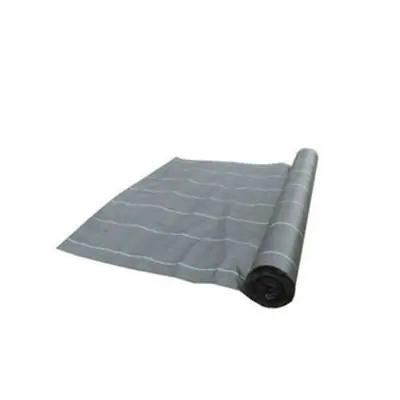
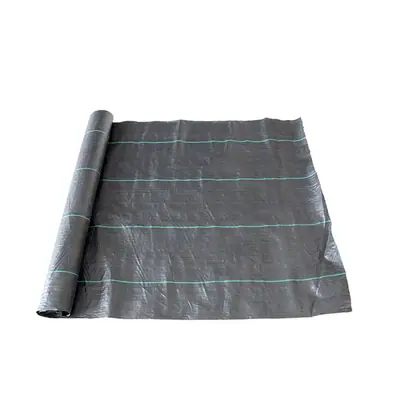
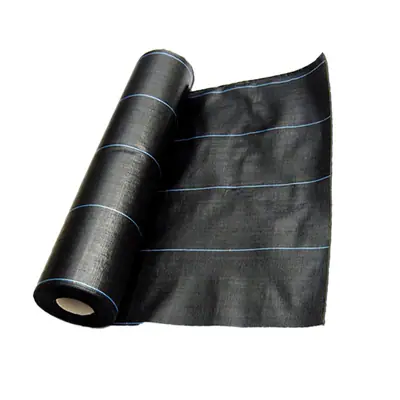
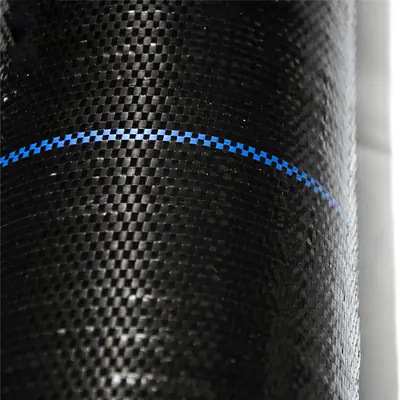
- Under gravel and for multi-year weed control, woven landscape fabric or geotextile still performs better.
- Root barriers are a different product: rigid HDPE sheets set vertically 18–36 in deep.
Yes, cardboard is a good weed barrier for smothering weeds and grass when you are making a new bed or sheet-mulching: plain corrugated cardboard, overlapped and covered with mulch, blocks light for one season and then rots into the soil. It is not a long-term barrier: most cardboard breaks down within roughly 3–12 months, so persistent perennial weeds can return. Compared with landscape fabric, cardboard is cheaper, biodegradable and better for soil life, while fabric lasts years and works better under gravel.
Definition: a weed barrier is any layer placed over or in the soil to block light and stop weed seeds germinating or weeds emerging, from biodegradable paper and cardboard to woven polypropylene landscape fabric.
For the case for and against fabric itself, read landscape fabric pros and cons.
Is cardboard a good weed barrier?
Cardboard works by excluding light. Weeds and turf underneath die back, and earthworms and soil fungi break down both the cardboard and the dead vegetation. Benefits:
- Free or nearly free from deliveries and stores.
- Biodegradable, adding organic matter as it decays.
- Excellent for converting lawn to beds without digging (sheet mulching or "lasagna gardening").
- Water passes through once it is wet and softened.
Limits:
- Short life: it rots, which is the point, but it means a single layer controls weeds for one season.
- Perennial weeds with deep roots or rhizomes (bindweed, some grasses, horsetail) often survive and push through at seams.
- Dry, unwet cardboard can shed water and dry out the soil beneath until it softens.
- Contaminants: tape, labels, glossy coatings and plastic-lined boxes do not break down.
Cardboard vs landscape fabric
| Feature | Cardboard | Woven PP landscape fabric |
|---|---|---|
| Typical life under mulch | 3–12 months | 5–15+ years for UV-stabilized grades under cover |
| Kills existing turf | Yes, by smothering | Only if opaque and left for months |
| Water and air | Passes once soaked; can mat when dry | Passes through the weave |
| Soil health | Feeds soil life as it decays | Neutral; organic mulch on top decays above it |
| Planting | Cut holes or plant after it softens | Cut X-shaped holes |
| Under gravel | Poor; rots and mixes with stone | Good; separates stone from soil |
| Removal later | Not needed | Needed if bed changes |
| Cost | Very low | Low to moderate |
In short, cardboard is best for starting beds and short-term weed suppression; fabric is best for long-term weed control under gravel, around shrubs and in commercial plantings. See heavy-duty landscape fabric and our weed control fabric GSM and UV guide for specifications.
How to use cardboard as a weed barrier
- Cut or mow weeds and grass as low as possible; leave the clippings.
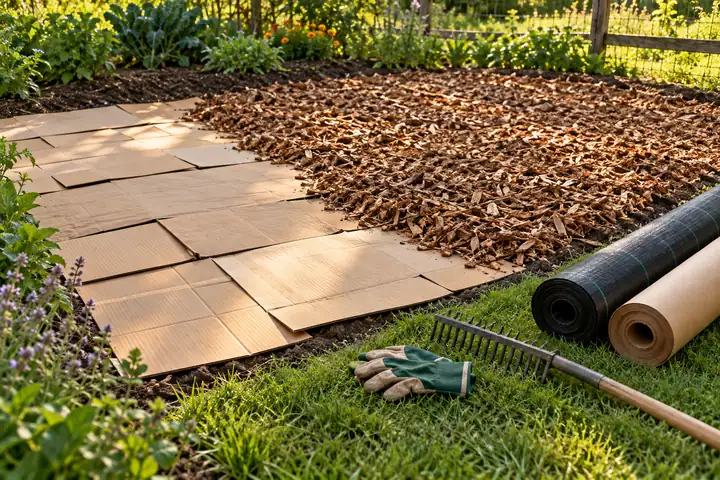
- Remove tape, labels and staples. Use plain brown corrugated cardboard, not glossy, waxed or printed-heavily boxes.
- Water the soil first if it is dry.
- Lay the cardboard with overlaps of 6–8 in (15–20 cm) so no light reaches the soil at seams. Use two layers for tough grass.
- Soak the cardboard thoroughly so it molds to the ground.
- Cover with 3–4 in (8–10 cm) of mulch: wood chips, compost, leaves or straw. This holds it down, keeps it moist and looks better.
- Plant by cutting a hole through the cardboard, or wait several weeks until it softens.
Top up mulch annually. For perennial beds, repeat the cardboard layer where weeds return.
Newspaper, landscape paper and garden paper
Newspaper weed barrier: lay 8–10 sheets thick, overlap 4–6 in (10–15 cm), wet it and cover with mulch. Modern newspaper inks are generally considered safe in the garden; avoid glossy inserts. It typically lasts a few months to a season.
Landscape paper or garden paper (paper weed barrier) is heavy kraft-type paper sold on rolls, often 2–4 ft (60–120 cm) wide, designed to be rolled down vegetable rows and planted through. It lasts roughly one growing season, then can be tilled in. It is tidier than newspaper and lighter than cardboard.
Biodegradable landscape fabric and eco friendly weed barrier options
| Material | Typical lifespan | Typical spec | Notes |
|---|---|---|---|
| Cardboard | 3–12 months | 1–2 layers, overlap 6–8 in | Best for new beds |
| Newspaper | 2–6 months | 8–10 sheets | Cheap; blows away dry |
| Landscape paper | 1 season | Rolls 2–4 ft wide | Neat for rows |
| Jute or burlap fabric | 1 season to 1 year | 8–12 oz/yd² (270–400 g/m²) | Open weave; see burlap vs polypropylene sacks |
| Coir or wool mats | 1–3 years | Tree and shrub mats, about 2 ft (60 cm) square and up | Durable natural options |
| Biodegradable mulch film | About 1 season | Often 15–25 microns thick | Farm rows; breaks down in soil under the right conditions |
| Thick organic mulch only | Top up yearly | 3–4 in (8–10 cm) | Simplest alternative to fabric |
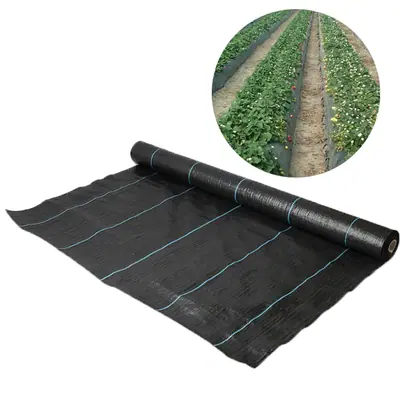
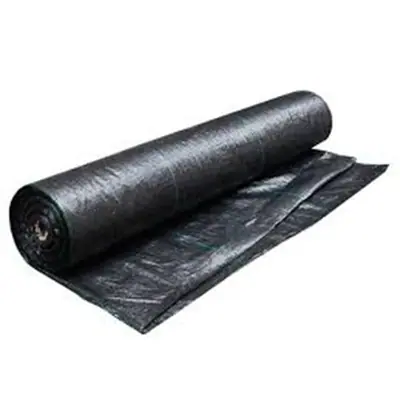
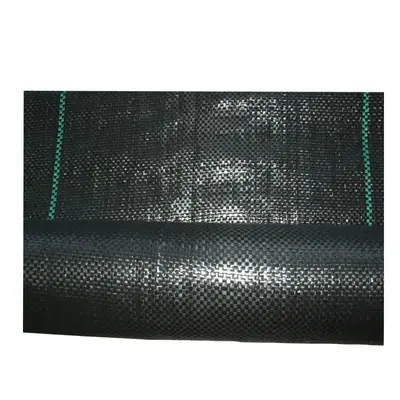
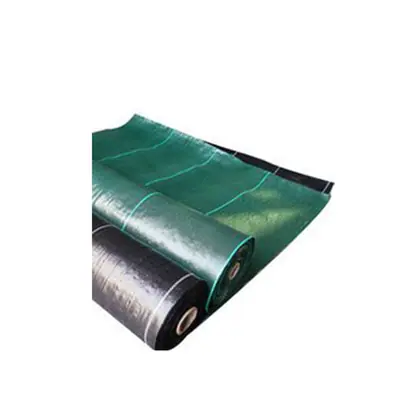
| Woven PP landscape fabric | Years | 90–130 g/m² typical garden grades | Not biodegradable |
"Organic landscape fabric" usually means a natural fiber product such as jute, coir, wool or hemp. Check claims like "biodegradable" for conditions; some films only break down in industrial composting.
DIY weed barrier ideas that work
- Cardboard plus wood chips, the most reliable DIY weed barrier.
- Thick mulch alone, 3–4 in, refreshed yearly.
- Living mulch: dense groundcovers that shade soil.
- Old wool carpet or natural-fiber rugs without synthetic backing, for paths.
Avoid plastic sheeting under plantings; it blocks water and air and causes root and soil problems.
What is the best alternative to landscape fabric under gravel?
Cardboard and paper are poor choices under gravel: they rot, the stone sinks into soft soil, and weeds root in the fines that collect. Better options:
- A compacted base of crushed stone, 3–4 in (8–10 cm), under the decorative gravel, which leaves weeds little soil to root in.
- Woven geotextile or heavy landscape fabric to separate soil from stone, which also stops gravel sinking.
- Stabilizing grids for driveways and paths.
Our landscape fabric under gravel guide covers this in detail. Heavy woven fabric like the Heavy Weight PP Weed Control Fabric with Enhanced or a UV-stabilized grade such as the UV Stabilized PP Weed Mat Offset Printing Extended is designed for this kind of use.
Root barrier, root barrier fabric and plastic root barrier
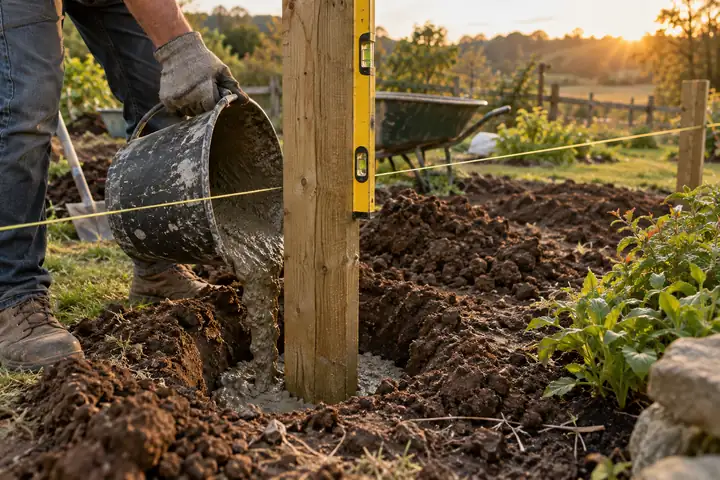
A root barrier is different from a weed barrier. It is installed vertically in the soil to stop tree, bamboo or shrub roots spreading into foundations, pipes, paving or neighboring beds.
- Plastic root barrier: rigid HDPE or polypropylene sheet, typically 40–80 mil (1–2 mm) thick, set 18–36 in (45–90 cm) deep with about 2 in (5 cm) left above ground so roots cannot creep over. Running bamboo usually needs the thicker, deeper end of that range.
- Root barrier fabric: tough woven or non-woven geotextile that slows and redirects roots; some types are treated with a root-inhibiting chemical (a "chemical root barrier"). Check local rules before using treated products near food crops or waterways.
- Joins: overlap and seal seams per the product instructions; roots exploit any gap.
Cardboard and paper are not root barriers. As an aside, a "soil blocker" is a seed-starting tool that presses compost into cubes for transplanting; it is not a barrier product.
Choosing the right weed barrier
- New vegetable or flower bed from lawn: cardboard plus compost and mulch.
- Annual vegetable rows: landscape paper or biodegradable film.
- Shrub borders, commercial landscaping: woven landscape fabric under mulch; see how to lay landscape fabric.
- Gravel paths and patios: compacted base plus woven fabric.
- Bamboo or tree roots near structures: HDPE root barrier.
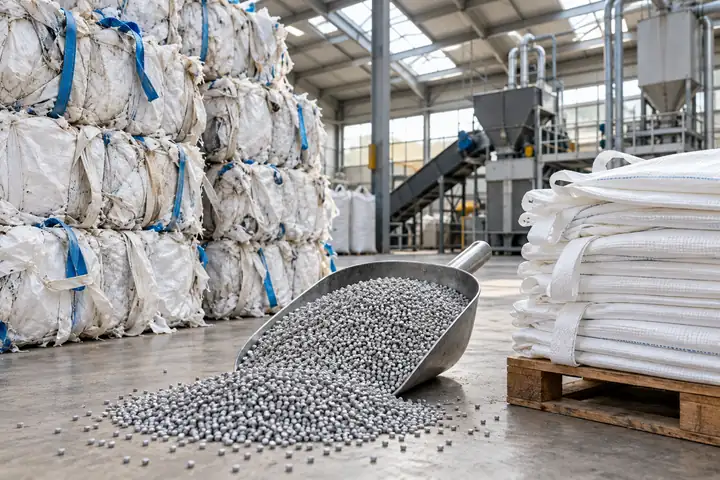
EGP manufactures woven polypropylene weed mat and ground cover in Yantai, China, for distributors, nurseries, farms and landscapers, with custom widths, roll lengths and UV packages, such as the Heavy Duty Landscaping Weed Mat Ground Cover Bulk Bags and PP or PE Material White Large Weed Mat Ground Cover. See the Woven Rolls & Weed Mat range or request a quote.
Frequently asked questions
How long does cardboard last as a weed barrier?
Under mulch, cardboard typically lasts about 3–12 months, depending on thickness, moisture and soil life. It breaks down fastest in warm, moist soil with plenty of worms.
Is cardboard better than landscape fabric?
Cardboard is better for killing grass and starting new beds, and it improves soil as it rots. Landscape fabric is better for long-term weed control, under gravel and in commercial plantings where it must last for years.
Does a newspaper weed barrier work?
Yes, for a few months to a season when laid 8–10 sheets thick, wetted and covered with mulch. It is less durable than cardboard and blows away if left uncovered.
What is the best biodegradable weed barrier?
For new beds, plain corrugated cardboard is the best low-cost option. For rows, landscape paper or biodegradable mulch film work well, and coir or wool mats last longest among natural options.
What can I use instead of landscape fabric under gravel?
A compacted base of crushed stone 3–4 in thick is the main alternative, optionally with woven geotextile to keep stone and soil apart. Cardboard and newspaper are not suitable because they rot and let gravel sink.
How deep should a root barrier be?
Root barriers are typically installed 18–36 in (45–90 cm) deep, with about 2 in left above the soil surface. Running bamboo and large trees usually need the deeper end of the range and thicker HDPE sheet.