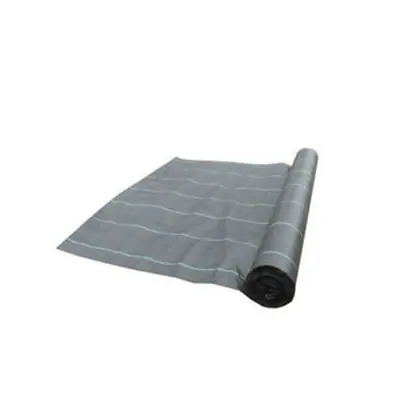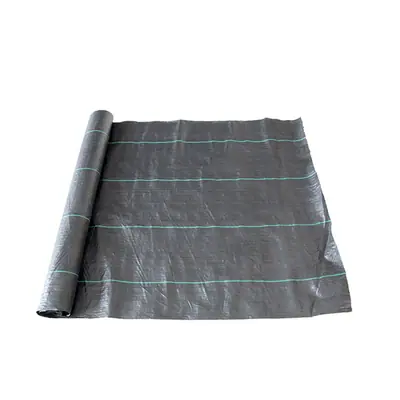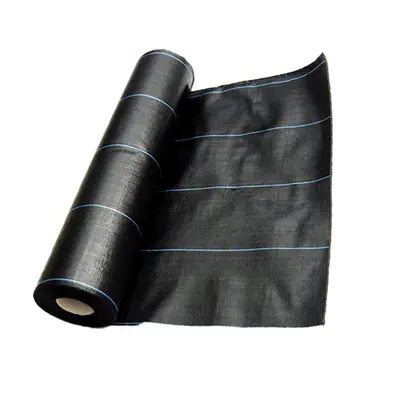
Key takeaways
- Woven PP ground cover blocks light but passes water and air.
- 70–90 g/m² for vegetables and nurseries; 100–130 g/m² for orchards, landscaping, solar and high traffic.
- UV stabilisation level determines service life in the sun — specify it for your latitude.
- Overlap joints and pin every 1–1.5 m; cover with mulch or gravel where possible.
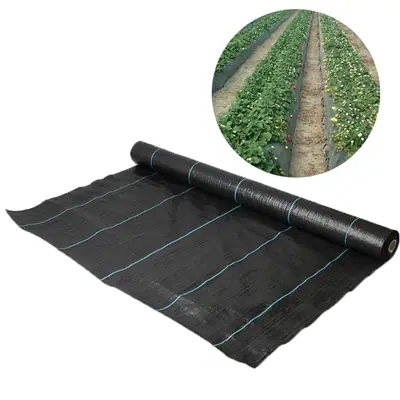
Woven polypropylene weed control fabric — also called ground cover, landscape fabric or weed mat — is one of the cheapest ways to cut herbicide use and labour. It works by blocking the light weeds need while letting rain and air reach the soil.
How woven ground cover works
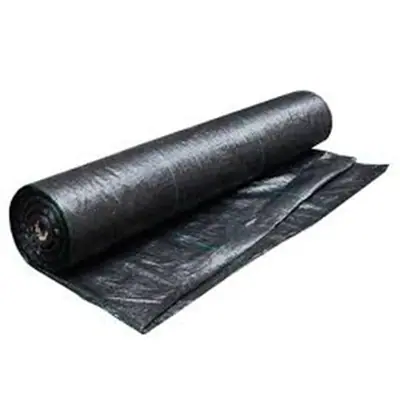
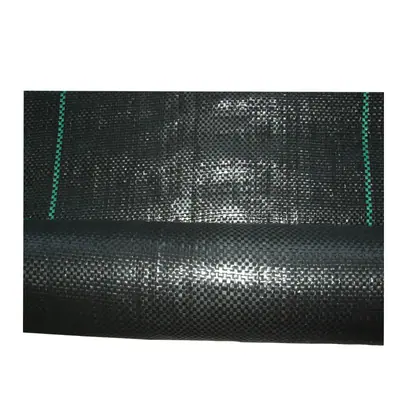
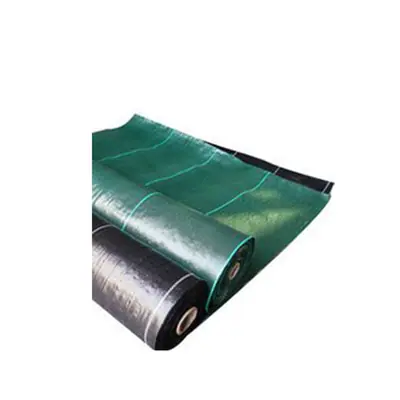
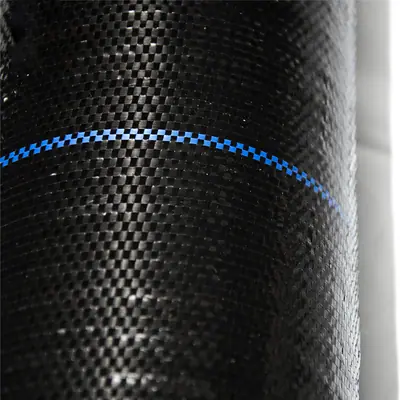
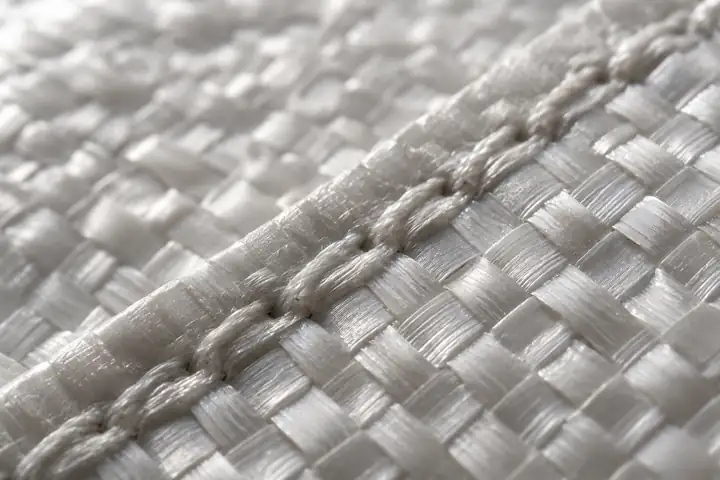
The fabric is woven from flat polypropylene tapes, usually black (for maximum light blocking) and sometimes green or white. The weave is tight enough to stop light and weed growth but permeable enough for water to drain through. Many fabrics carry woven guide lines every 12.5–25 cm to help align planting rows and cuts.
Choosing the GSM
GSM (grams per square metre) is the main indicator of strength and durability.
| Application | Recommended GSM | Why |
|---|---|---|
| Vegetable beds, strawberries | 70–90 g/m² | Light, economical, easy to cut |
| Nurseries, container yards | 90–110 g/m² | Withstands pots and foot traffic |
| Orchards, vineyards | 100–130 g/m² | Long service, mowers and machinery nearby |
| Landscaping under gravel/bark | 100–130 g/m² | Stabilises aggregate, resists punctures |
| Solar farms, utility sites | 100–130 g/m², UV-stabilised | Large open areas, vehicle access, long exposure |
Our listings include 80 g/m² agricultural fabric and heavier grades for industrial, mining and solar sites — see the Heavy Weight PP Weed Control Fabric with Enhanced.
UV stabilisation: the key to service life
Polypropylene degrades under ultraviolet light. Weed mat is therefore made with UV stabiliser masterbatch. The amount used determines how long the fabric lasts in full sun, which varies with latitude, altitude and climate. If the fabric will be covered by mulch, bark or gravel, UV exposure — and degradation — drops sharply. Tell us where the fabric will be used and whether it will be exposed or covered so we can recommend the right UV level.
Width, length and colour
- Widths from 0.5 m to 6 m; wide rolls reduce joints on large sites.
- Roll lengths typically 50 m, 100 m or 200 m, supplied on cardboard cores.
- Black blocks light best; green blends into landscapes; white reflects light and heat in greenhouses and orchards.
Weed control on solar farms
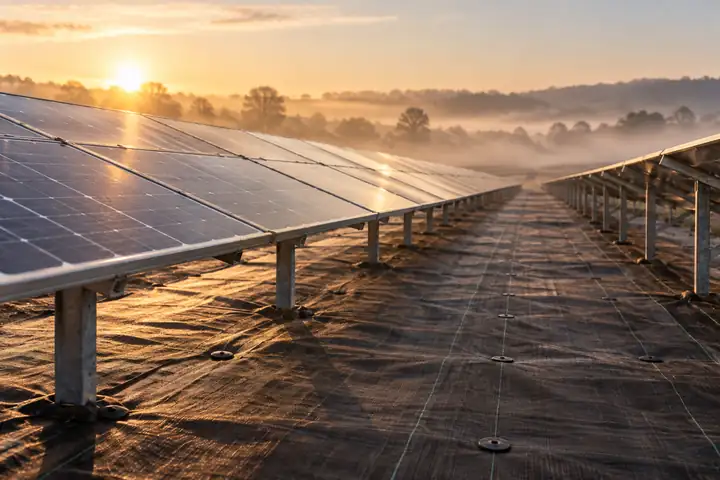
Vegetation under and between photovoltaic rows can shade panels, create fire risk and require constant mowing. Woven ground cover offers a low-maintenance alternative: it suppresses growth, stays permeable to rain, and tolerates maintenance vehicles when a heavier GSM is used. See our solar-farm project for a typical specification.
Installation tips
Good installation doubles the life of the fabric:
- Prepare the ground — clear weeds and level the surface.
- Roll out — overlap joints by 10–20 cm, aligning guide lines with rows.
- Pin it down — use ground staples every 1–1.5 m along edges and overlaps.
- Cut planting holes — cross-cut and fold back the flaps, or use a hot tool to seal edges.
- Cover where possible — mulch or gravel shields the fabric from UV.
Frequently asked questions
Does water pass through woven weed fabric?
Yes. Woven polypropylene ground cover is permeable to water and air, so rain reaches the soil and the ground does not become waterlogged.
Woven or non-woven ground cover?
Woven fabric is stronger, more dimensionally stable and better for high-traffic areas and long service. Non-woven fabric is softer and drains faster but tears more easily.
Which GSM should I use under gravel?
100 g/m² or heavier, so that sharp stones do not puncture the fabric.
Can you print guide lines or logos?
Yes. Guide lines are woven in at set spacings, and roll labels or printed logos are available.