Key takeaways
- A bagging machine weighs a set amount of product and fills it into a bag; the main types are open-mouth, valve, form-fill-seal (FFS) and bulk bag fillers.
- Typical speeds range from 3–8 bags/min on manual open-mouth scales to 1,500–4,000 bags/h on rotary valve packers; bulk bag fillers typically do 10–30 bags/h.
- Open-mouth and valve machines run pre-made bags, so bag tolerances, mouth stiffness, valve size, venting and anti-slip finish decide how well the line runs.
- EGP makes the bags, not the machines; send us your machine spec and we match the bag.
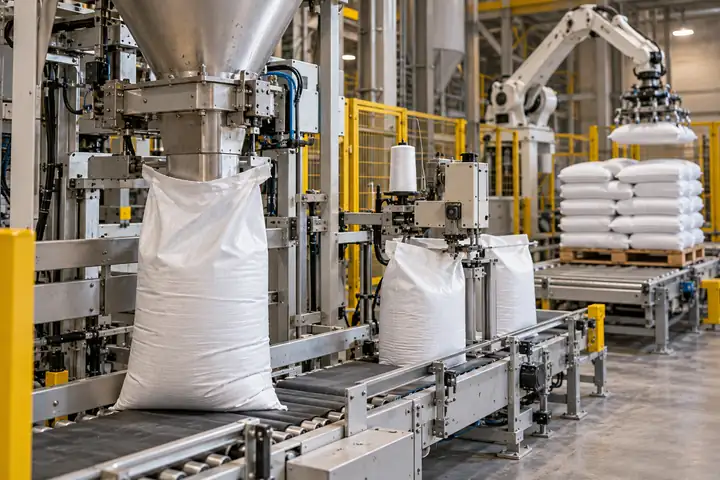
A bagging machine is equipment that weighs a set amount of bulk product, such as feed, grain, fertilizer, cement or sand, and fills it into a bag, often followed by closing, conveying and palletizing. The main types are open-mouth baggers, valve bag fillers, form-fill-seal (FFS) machines and bulk bag (FIBC) filling stations; the right one depends on the product's flow, the bag style and the output you need. For any machine that runs pre-made bags, the bag specification matters as much as the machine.
EGP manufactures woven polypropylene bags, valve bags and FIBC bulk bags, not machinery. This guide explains the equipment from the bag maker's side: what each machine does, typical speeds, and how to specify bags that run well. For valve packers in depth, see valve bag filling machines; for big bags, see bulk bag fillers and unloaders.
What types of bagging machines are there?
| Machine type | Bag used | Typical fill weight | Typical speed* | Common products |
|---|---|---|---|---|
| Manual open-mouth bagging scale | Pre-made open-mouth | 10–50 kg | 3–8 bags/min | Feed, grain, seed, small mills |
| Semi-automatic open-mouth bagger (net or gross weigher, bag clamp) | Pre-made open-mouth | 10–50 kg | 6–15 bags/min | Feed, fertilizer, rice, sugar |
| Automatic open-mouth bagging line (bag placer) | Pre-made open-mouth | 10–50 kg | 10–25 bags/min | Feed mills, fertilizer, pet food |
| Single-spout valve packer | Pre-made valve | 20–50 kg | 2–6 bags/min | Dry mortar, chemicals, flour |
| Rotary valve packer (6–12 spouts) | Pre-made valve | 25–50 kg | 1,500–4,000 bags/h | Cement, lime, gypsum |
| Form-fill-seal (FFS) | PE tubular film from a roll | 10–50 kg | 600–2,400 bags/h | Polymers, fertilizer, salt |
| Bulk bag filler / big bag filling station | Pre-made FIBC | 500–2,000 kg | 10–30 bags/h | Minerals, chemicals, grain, sand |
| Sandbag filler (hopper or multi-chute) | Pre-made open-mouth | 12–18 kg | Several hundred to 1,000+ bags/h with a crew | Flood response, construction |
*Speeds are typical industry ranges and depend heavily on product flow, fill weight, accuracy and operators. Use them to compare categories, not as a specification; confirm rates with the machine supplier.
How does an open-mouth bagging machine work?
An open mouth bagging machine has a weigh hopper (net weigher) or weighs the bag directly (gross weigher), a bagging head with a clamp that grips the bag mouth, and a discharge gate. The operator, or an automatic bag placer, hangs an empty bag on the spout; the clamp closes; the product drops; the bag is released onto a conveyor and carried to a closer.
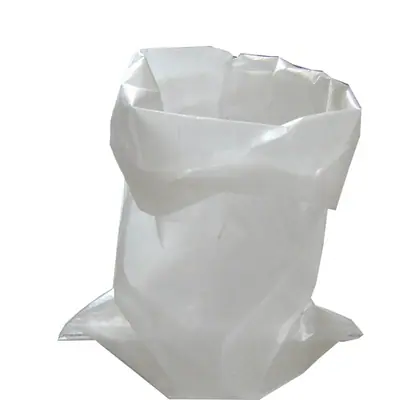
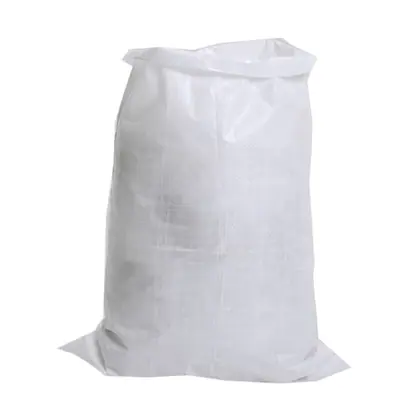
Open-mouth bagging is the most common setup for feed bagging machines, grain baggers, seed, rice, sugar and fertilizer. It handles granules, pellets and many powders, and it accepts a wide range of bag types: plain woven PP, BOPP-laminated, paper-poly and PE-lined bags.
Bag closing: sewing and sealing
After filling, the mouth is closed by:
- Sewing heads, the most common closure for woven PP, often with crepe tape for a neater, dust-tighter seam.
- Heat sealing, for laminated or PE-coated bags and pinch-bottom bags.
- Fold-and-sew or fold-and-glue systems for premium retail packs.
A bag closing machine needs a consistent mouth height and a flat, even top edge, which comes back to bag quality.
How does a valve bag filling machine work?
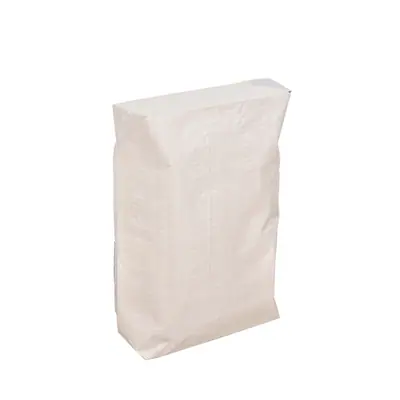
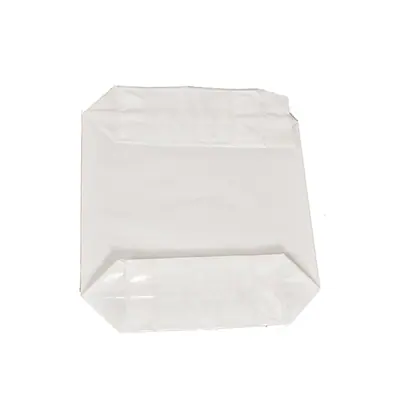
A valve bag filling machine fills through a small sleeve in one corner of a closed bag. The bag is slipped over a filling spout, product is pushed in by an impeller, air or auger, and the valve closes under product pressure or is sealed. Valve packing is cleaner and faster for fine powders, and the filled bag is a tidy brick that palletizes well. The detail is in the valve bag filling machines guide; for comparing bag styles, see valve bags vs open-mouth bags.
Form fill seal vs pre-made bags: which is better?
FFS machines make the bag on the line from tubular PE film, fill it and seal it. Pre-made bags arrive finished and are filled by open-mouth or valve machines.
| Factor | Form-fill-seal | Pre-made bags |
|---|---|---|
| Packaging material | PE film roll | Woven PP, laminated, paper, valve |
| Capital cost | High | Lower to high |
| Speed | High | Low to high depending on machine |
| Bag strength and puncture resistance | Good; film-based | Very high with woven PP |
| Moisture barrier | Excellent | Depends on lamination or liner |
| Flexibility for small runs and many SKUs | Lower | High |
| Rough handling and outdoor storage | Moderate | Strong, especially woven PP |
FFS suits very high, steady volumes of free-flowing products such as polymer pellets. Pre-made woven bags suit plants with many products, rougher logistics, export, or products that need a stronger, breathable or reusable sack.
What is a bulk bag filling machine?
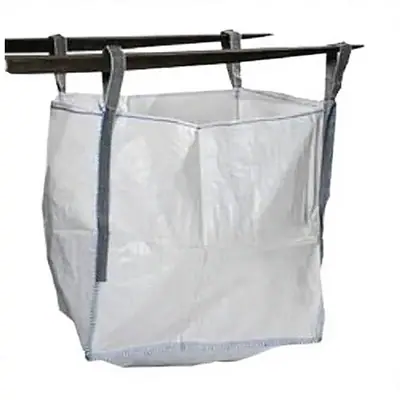
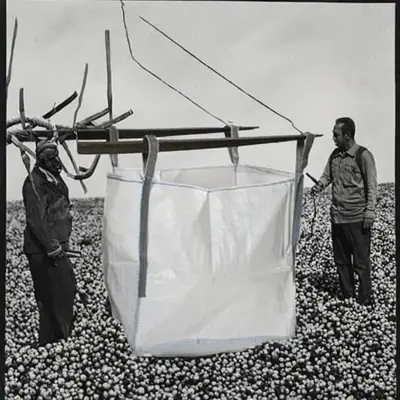
A bulk bag filling machine, or big bag filling station, holds an FIBC by its loops, inflates it, fills it through the top spout (often on a load cell), and may densify it by vibration. The bag needs the right loop height and spacing, a top spout sized to the filler's inflatable or clamp collar, and a discharge design that suits your unloader. See how to choose an FIBC bulk bag for safe working load and safety factor.
What about sandbag fillers?
A sandbag filler ranges from a simple funnel or hopper on a stand to a multi-chute machine fed by a loader. It usually fills open-mouth woven PP sandbags, often around 35 × 65 cm (14 × 26 in), half to two-thirds full. Consistent bag size and a reinforced or hemmed mouth help bags slide on and off chutes quickly. See empty sandbags buying guide.
How do you choose bags that run well on a bagging machine?
Most stoppages blamed on the machine are bag problems. Give your bag supplier these details, and check them on incoming bags.
Dimensions and tolerances
Automatic bag placers and clamps need consistent sizes. Typical targets for automatic lines are width within about ±5 mm and length within about ±10 mm, with stacks that are flat and not curled. Manual lines are more forgiving.
Mouth stiffness and opening
The bag mouth must open easily and stay open on the spout. Hemmed or heat-cut tops, consistent fabric weight (g/m²) and, for laminated bags, a non-curling top help. Gusseted bags must have consistent gusset depth so the clamp grips them square.
Valve sleeve size and type
The valve opening must fit the spout: large enough to slide on quickly, tight enough not to leak or drop off. Specify spout outside diameter, valve type (internal, tuck-in sleeve, heat-seal) and valve length. Our Heavy Duty Bottom Gusset Bag Valve Pocket 25KG Capacity Moisture-proof Waterproof PP is built for this kind of line.
Air release and perforation
Powders carry air into the bag. Without venting, bags balloon, fill slowly and burst on the palletizer. Micro-perforation, needle perforation or breathable fabric lets air escape; the right pattern depends on the product's fineness and the moisture barrier you need. Ventilated Moisture Proof PP Woven Bag is one example.
Anti-slip finish and palletizing
A palletizer, robotic or conventional, needs bags that stack squarely and do not slide. Anti-slip coating, flat filled shape and consistent fill weight all help. Block-bottom valve bags and flat-filled open-mouth bags give the most stable pallets.
Printing and bundling
Registered print, consistent bundle counts (often 25, 50 or 100 per bundle) and bales or pallets that suit your bag magazine all affect uptime.
Buying bags for your bagging equipment
EGP is a woven bag manufacturer in Yantai, Shandong, with 24 years as an Alibaba.com supplier. We supply open-mouth bags such as Durable PP Woven Bags for Rice Flour Feed Agriculture, valve bags across our Valve Bags range, and FIBC bulk bags such as PP Woven FIBC Bag 1000kg Load Weight Durable 5:1 Safety. We do not sell bagging machines. Send us your machine type, spout size, fill weight and product, and we will propose a bag to match; request a quote or browse all products.
Frequently asked questions
What is a bagging head?
A bagging head is the part of a bagging machine that holds the bag and delivers product into it. On open-mouth machines it is a spout with a clamp that grips the bag mouth; on valve packers it is the filling spout that enters the valve sleeve. Bag dimensions and mouth design must suit the bagging head.
How fast is an automatic bagging machine?
Typical automatic open-mouth lines run about 10–25 bags per minute, rotary valve packers about 1,500–4,000 bags per hour, and FFS lines roughly 600–2,400 bags per hour. Actual rates depend on product flow, fill weight and accuracy, so confirm with the machine supplier.
What bags work on a feed bagging machine?
Most feed bagging machines run pre-made open-mouth woven PP bags, often BOPP-laminated for retail feed, closed by sewing or heat sealing. Consistent size, a mouth that opens easily, and anti-slip finish for palletizing make the biggest difference. See our feed bags guide for options.
Is form fill seal cheaper than pre-made bags?
FFS film usually costs less per bag than a pre-made woven bag, but the machine costs more and suits long runs of a few products. Pre-made bags are often better for many SKUs, export, rough handling and products that need a stronger or breathable sack.
Can a grain bagger use woven polypropylene bags?
Yes. Woven polypropylene is the standard bag for grain, rice and seed on open-mouth grain baggers, because it is strong, light and breathable. Specify the bag size, fabric weight and closure to match the machine's spout and sewing head.