Key takeaways
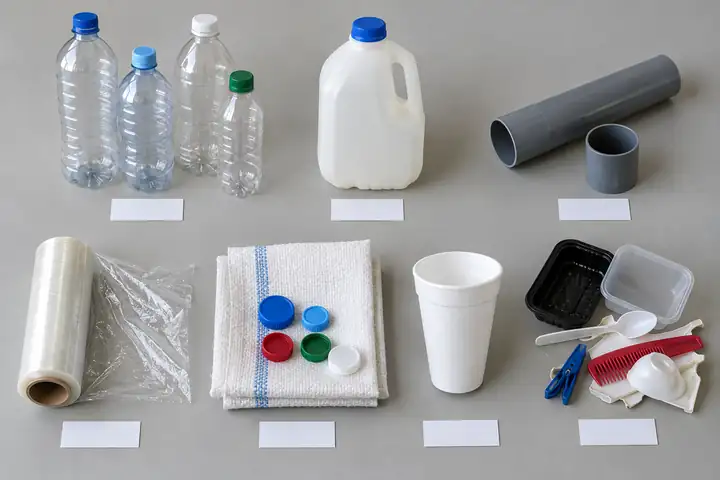
- Plastic recycling numbers 1–7 are resin identification codes: 1 PET, 2 HDPE, 3 PVC, 4 LDPE, 5 PP, 6 PS, 7 Other.
- The number identifies the material, not whether your local program accepts it.
- PET (1) and HDPE (2) bottles are the most widely recycled; acceptance of 4, 5 and film varies by area; 3, 6 and 7 are rarely collected.
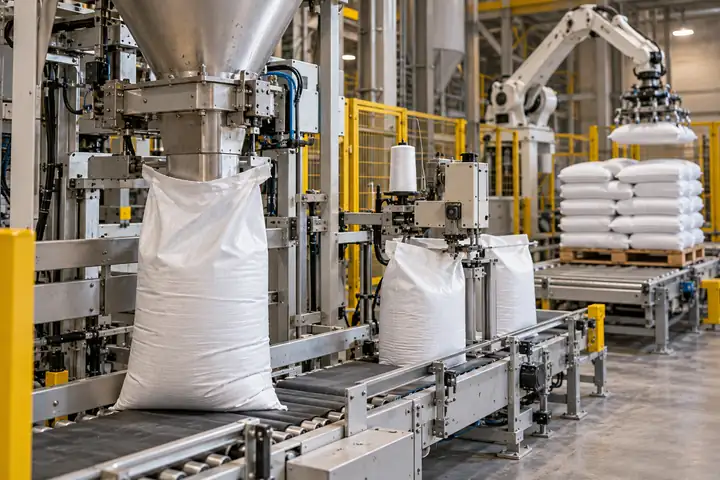
- Industrial sacks mostly use PP (5) for woven fabric, LDPE/LLDPE (4) for liners and film, and HDPE (2) for nets and some woven tapes.
Plastic recycling numbers are the digits 1 to 7 printed inside a small triangle on plastic products. They are resin identification codes that tell sorters which polymer an item is made of: 1 PET, 2 HDPE, 3 PVC, 4 LDPE, 5 PP, 6 PS and 7 "other". The number does not mean the item is recyclable where you live; that depends on your local program.
Quotable definition: a resin identification code is a number from 1 to 7, shown inside a triangle, that identifies the main plastic resin in a product so it can be sorted for recycling.
The codes were introduced in the US in 1988 and are now maintained as an ASTM standard (ASTM D7611), which since 2013 uses a plain solid triangle rather than chasing arrows, partly to avoid implying recyclability. Some countries use extended national systems with more codes.
What are the 7 types of plastic?
There are thousands of plastic grades, but the seven codes group the most common packaging plastics. This table gives typical material data and uses for each.
| Code | Plastic | Density (g/cm³) | Melting point / softening | Typical uses | Commonly collected? |
|---|---|---|---|---|---|
| 1 | PET / PETE (polyethylene terephthalate) | 1.38–1.40 | melts ~250–260 °C | Drink bottles, food trays, polyester fiber, strapping | Yes, widely |
| 2 | HDPE (high-density polyethylene) | 0.94–0.97 | melts ~130–135 °C | Milk and detergent bottles, pipes, nets, crates | Yes, widely (bottles) |
| 3 | PVC (polyvinyl chloride) | 1.30–1.45 (rigid) | amorphous; softens ~80 °C, processed 160–200 °C | Pipes, window frames, cable insulation, some film | Rarely |
| 4 | LDPE / LLDPE (low-density polyethylene) | 0.91–0.93 | melts ~105–125 °C | Film, carrier bags, liners, squeeze bottles, coatings | Varies; film often separate |
| 5 | PP (polypropylene) | 0.90–0.91 | melts ~160–165 °C | Woven sacks, bulk bags, tubs, caps, BOPP film, fibers | Varies; rigid PP often accepted |
| 6 | PS (polystyrene, incl. foam) | 1.04–1.06 (solid) | amorphous; softens ~95–100 °C | Cups, foam trays, protective foam, disposable cutlery | Rarely |
| 7 | Other (PC, PA nylon, PLA, ABS, multilayer) | varies, ~1.0–1.3 | varies | Multilayer pouches, polycarbonate, bioplastics | Rarely |
Values are typical textbook ranges and vary by grade. Plastics with density below 1.0 g/cm³ (PE and PP) float in water; the others sink, which is the basis of the float-sink sorting step.
What does the recycling symbol mean?
Two different marks often get confused:
- The recycle triangle with a number (resin identification code): identifies the plastic type. It is not a recyclability claim.
- The general recycling symbol (three chasing arrows, often called the recycle logo or Mobius loop): indicates that an item is recyclable or contains recycled content, depending on how it is labeled. Its color (blue, green, black or white) has no official meaning.
Some regions also use separate labels that state "widely recycled" or "check locally", or indicate the bin to use. When a recycle sign and a local rule disagree, follow the local rule.
What plastics can be recycled?
Technically, nearly all thermoplastics (codes 1–6 and many in 7) can be melted and reprocessed. What determines whether they are recycled is collection, sorting and markets:
- PET (1) and HDPE (2) bottles have the most established markets and are accepted by most programs that collect plastic.
- PP (5) rigid containers are accepted in a growing number of programs; check locally. See is polypropylene recyclable.
- LDPE (4) film and bags are often excluded from curbside bins because they tangle sorting machinery, but may be taken through separate film collection where it exists.
- PVC (3), PS (6) and Other (7) are rarely collected from households.
- Industrial plastics such as woven sacks, pallet wrap and bulk bags are usually recycled through commercial or industrial recyclers rather than household programs.
So "is plastic recyclable?" has a two-part answer: the material often is; the item is only recycled if someone collects and processes it.
Plastic container recycling numbers: quick tips
- Look for the number on the base or near the label; caps may be a different plastic (often PP on a PET bottle).
- Empty and rinse containers; food residue is a common reason for rejection.
- Do not put film, bags or woven sacks in a curbside bin unless your program says so.
- Multilayer items (code 7, or code-less) are usually not recyclable in household systems.
Which plastics are used in packaging sacks?
Industrial and agricultural packaging uses a small group of the seven types, often in combination:
| Packaging item | Main plastic(s) | Code(s) | Why |
|---|---|---|---|
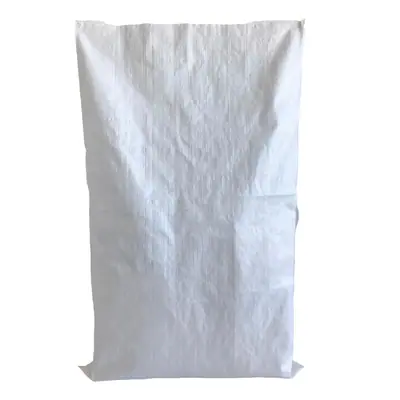
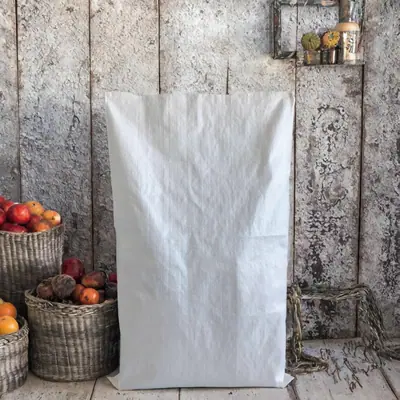
| Woven sack (rice, feed, fertilizer, sand) | PP | 5 | Drawn PP tapes are very strong for their weight |
| FIBC bulk bag | PP fabric, PP loops | 5 | High tensile strength, low weight, chemical resistance |
| BOPP laminated bag | PP fabric + BOPP film | 5 | Mono-polymer print surface |
| Sack liner, inner bag | LDPE / LLDPE | 4 | Flexible, heat-sealable moisture barrier |
| Coating on woven fabric | PP or PE | 5 or 4 | Seals fabric gaps for moisture resistance |
| Film valve sack | LDPE / LLDPE | 4 | Tough heavy-duty film |
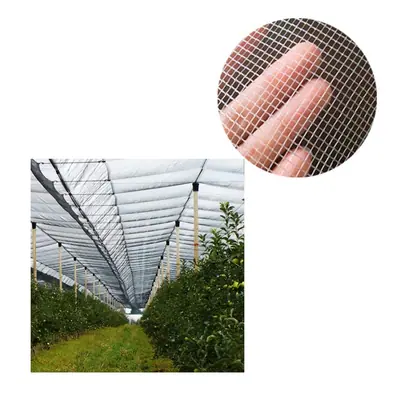
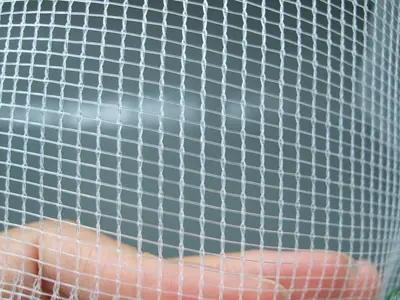
| Anti-hail and shade nets | HDPE (sometimes PP) | 2 or 5 | UV-stabilized monofilament, good flexibility |
| Paper-poly bag | Kraft paper + PP or PE | 5 or 4 (+ paper) | Paper print surface with plastic strength or barrier |
| Strapping | PET or PP | 1 or 5 | Holds pallet loads |
Examples from our range: Recyclable PP Woven Bag 50kg Heavy Duty Eco-Friendly (PP, code 5), Custom-made Durable Two Layer LDPE Valve Bags Custom Logo (LDPE, code 4) and HDPE White Large Hail protection Net Anti Hail for apple (HDPE, code 2). Browse more woven sacks in PP Woven Sacks.
What are the main kinds of plastic by structure?
Beyond the seven codes, plastics are commonly grouped as:
- Thermoplastics (PE, PP, PET, PVC, PS): soften when heated and can be remelted, which is why they can be mechanically recycled.
- Thermosets (epoxy, phenolic, polyurethane foams): cure into a permanent network and cannot be remelted.
- Commodity vs engineering plastics: commodity plastics (codes 1–6) are made in huge volumes; engineering plastics (nylon, polycarbonate, ABS) are used for demanding parts and fall under code 7.
- Fossil-based vs bio-based: most plastics come from oil and gas; some (PLA, bio-PE) come from plant feedstocks. Bio-based does not automatically mean biodegradable.
What materials are made of plastic in everyday life?
Plastic material shows up far beyond bottles: clothing fibers (polyester is PET; many thermal and carpet fibers are PP), car parts (PP bumpers, ABS trim), pipes (PVC, HDPE), toys, electronics housings, medical items (PP syringes), building insulation (PS foam), and industrial packaging such as woven sacks and bulk bags. For the two polymers that dominate flexible packaging, see what is polyethylene and what is polypropylene.
How can you tell plastics apart without a code?
If an item is unmarked, simple clues help:
- Float test: PE and PP float in water; PET, PVC and PS sink.
- Feel: PE feels waxy and soft; PP is stiffer and "crinkles"; PS is brittle and snaps.
- Woven tape: fine flat tapes in a basket weave are almost always PP.
Recyclers use near-infrared spectroscopy for accurate sorting; these tests are only rough guides.
Sourcing woven packaging
EGP manufactures PP woven sacks, laminated bags, LDPE valve bags, bulk bags and HDPE agricultural nets in Yantai, China. If you need a particular material, liner or recycling marking on your bags, contact us with your specification.
Frequently asked questions
How many types of plastic are there?
There are thousands of individual plastic grades, but packaging is grouped into seven resin identification codes: PET (1), HDPE (2), PVC (3), LDPE (4), PP (5), PS (6) and Other (7). Code 7 is a catch-all for everything else, including polycarbonate, nylon, PLA and multilayer materials.
What is PETE 1 plastic?
PETE or PET (code 1) is polyethylene terephthalate, the clear, stiff plastic used for drink bottles and food trays. It is one of the most widely recycled plastics and is often turned into polyester fiber, new bottles and strapping.
What does the number 5 inside a triangle mean?
It means the item is made of polypropylene (PP). PP is used for tubs, caps, woven sacks, bulk bags and BOPP film. Whether your local program accepts it varies, so check the accepted-materials list.
Does the recycle sign mean an item is recyclable?
Not necessarily. A triangle with a number is only a resin identification code. A chasing-arrows recycling symbol without a number may indicate recyclability or recycled content, but actual recycling depends on local collection and sorting.
Is HDPE 2 better than PP 5?
Neither is better in general. HDPE has excellent cold toughness and moisture barrier, while PP is stiffer, more heat-resistant and makes stronger woven tape. In recycling, HDPE bottles are more widely collected, but both are valuable when clean and sorted.
Which plastics are not recyclable?
Almost all thermoplastics can be recycled technically, but PVC (3), polystyrene (6), multilayer laminates and many code 7 items are rarely collected. Thermoset plastics, such as epoxy and many foams, cannot be remelted at all.