Key takeaways
- Yes, polypropylene is technically recyclable: it is a thermoplastic marked with resin code 5 that can be melted and re-extruded several times.
- Whether a given item is actually recycled depends on local collection; rigid PP tubs are accepted in many curbside programs, while woven sacks and bulk bags usually go to industrial recyclers.
- Mono-material PP (no paper, PE liner or heavy metallized film) recycles most easily.
- Recycled PP is commonly used in non-food items; it can go back into woven bags for non-critical uses, with strength checked.
Yes, polypropylene is recyclable. It is a thermoplastic identified by resin code 5 ("PP"), and clean PP can be melted, filtered and re-pelletized into new products such as crates, pallets, plant pots, fibers and new woven sacks. Whether a particular PP item actually gets recycled depends on whether a local program or industrial recycler collects that form of PP.
In one sentence: polypropylene recycling is the mechanical process of collecting, sorting, washing, shredding and re-melting used PP (resin code 5) into pellets that replace some virgin resin in new products.
This guide covers number 5 plastic in general, with a focus on woven bags and films. For the bulk-bag-specific process (cleaning, baling, take-back), see our FIBC recycling and reuse guide.
Is number 5 plastic recyclable?
The number 5 inside the triangle is a resin identification code, not a promise of recyclability. It tells sorters the item is polypropylene. Number 5 plastic is recyclable in the technical sense, and PP is one of the easier polymers to reprocess, but it has historically been collected and recycled at lower rates than PET bottles (code 1) and HDPE bottles (code 2).
The reasons are practical rather than chemical:
- Many shapes and grades. PP turns up as tubs, caps, film, woven fabric, fibers and auto parts, each with different melt flow, additives and colors.
- Light weight. A 50 kg woven sack weighs around 80–120 g, so a truckload of loose bags carries little resin unless baled.
- Contamination. Food residue, product dust, labels and paper layers reduce the value of the bale.
- End markets. Recyclers need buyers for recycled PP pellets, and those markets vary by region.
For a quick overview of all seven codes, see plastic recycling numbers and types of plastic.
Quick reference: polypropylene recycling facts
| Item | Typical value or fact |
|---|---|
| Resin identification code | 5 (often printed "PP" or "05 PP") |
| Density | 0.90–0.91 g/cm³ (floats in water, which helps sorting) |
| Melting point (homopolymer) | 160–165 °C (320–330 °F) |
| Reprocessing temperature | roughly 200–250 °C |
| Typical melt flow index, raffia grade | about 2–4 g/10 min (230 °C, 2.16 kg) |
| Effect of each reprocessing cycle | Some chain scission: melt flow rises, strength drops slightly |
| Common recycled PP products | Crates, pallets, plant pots, buckets, fibers, composite lumber, non-food sacks |
Values are typical textbook ranges; individual grades vary.
How is polypropylene recycled?
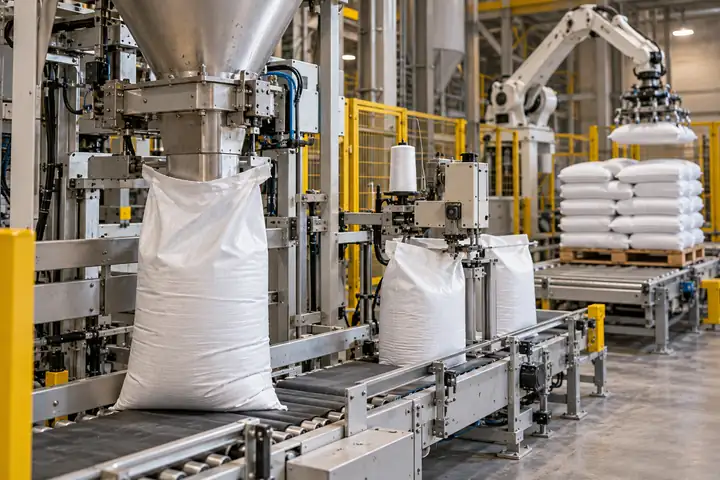
Mechanical recycling is the dominant route for polypropylene. The usual steps are:
- Collection from households (rigid containers), businesses (film, sacks, bulk bags) or factories (production scrap).
- Sorting by polymer. Near-infrared scanners identify PP; float-sink tanks separate PP and PE (both float) from PET and PVC (both sink).
- Washing and shredding to remove dirt, product residue and paper labels.
- Extrusion and melt filtration, where the flakes are melted, filtered through fine screens and cut into pellets.
- Compounding, where stabilizers or virgin resin may be added to restore properties.
Chemical recycling (for example pyrolysis, which breaks plastic back into oils) is being developed for mixed and contaminated plastics, but at present mechanical recycling handles most PP that is recycled.
Post-industrial vs post-consumer recycled PP
- Post-industrial recycled (PIR) PP comes from factory scrap such as edge trim and off-spec fabric. It is clean, of known grade and has been reprocessed in woven bag plants for decades.
- Post-consumer recycled (PCR) PP comes from used products. It is more variable in color, odor and melt flow, and usually needs more cleaning and testing.
When a buyer asks for "recycled content", it helps to state which of the two is acceptable and in what percentage.
Where to recycle number 5 plastic
Households: check your local curbside program's accepted-materials list. Many programs accept rigid PP containers such as yogurt tubs and takeaway boxes; fewer accept PP film or bags. Some areas offer drop-off points for plastics that are not collected curbside. Acceptance genuinely varies by municipality, so the local list is the only reliable answer.
Businesses with woven sacks, film or bulk bags: these are normally not curbside items. Options include:
- Industrial plastic recyclers and scrap dealers who buy baled PP.
- Waste management contractors offering commercial plastic streams.
- Supplier or distributor take-back schemes where they exist.
- Specialist bulk bag reconditioners, who reuse sound bags before recycling the rest.
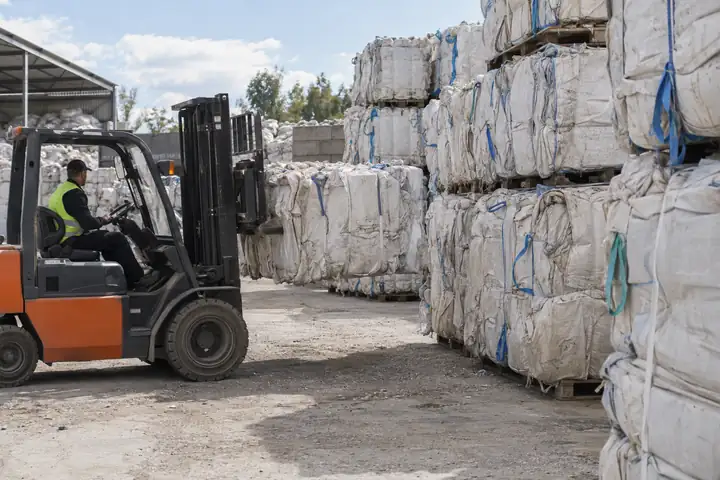
Recyclers usually ask for bags to be empty, dry, sorted by type and color, and baled, with information about what the bags previously held.
Can PP woven bags and films be recycled?
Yes, if they are kept close to a single material. Here is how common PP packaging formats compare:
| Format | Main materials | Recyclability notes |
|---|---|---|
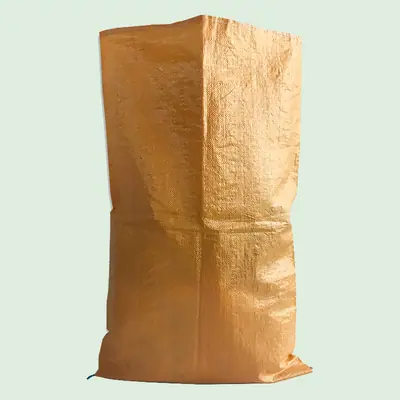
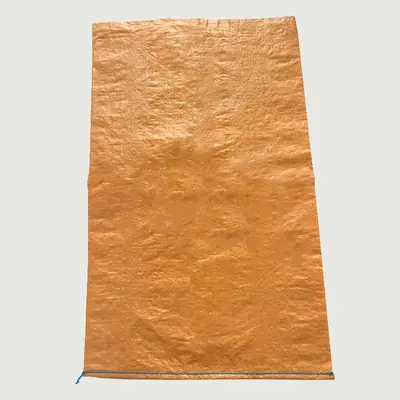
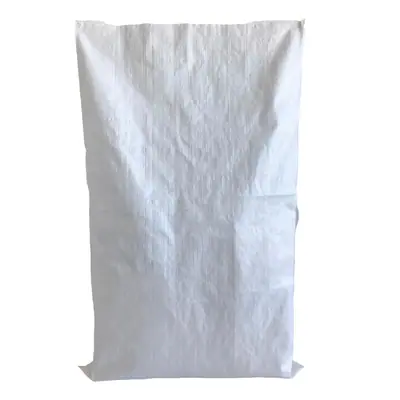
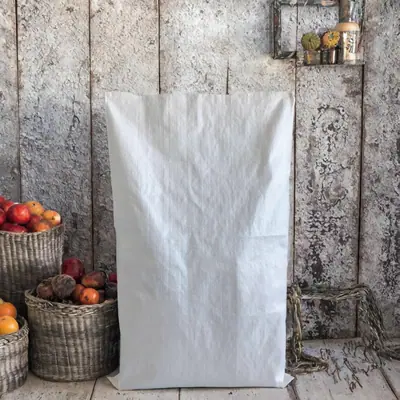
| Plain woven PP sack | PP tapes, PP thread | Mono-material; easiest woven format to recycle |
| Coated or laminated woven sack | PP fabric + thin PP or PE coating (about 15–30 g/m²) | PP coating keeps it mono-material; PE coating is a minor contaminant many recyclers tolerate |
| BOPP laminated sack | PP fabric + printed BOPP film | Both are PP, so it is compatible; inks and adhesives add contaminants |
| Sack with loose PE liner | PP outer + LDPE liner | Remove the liner and recycle separately |
| Paper-poly bag | Kraft paper + PP woven | Mixed material; must be separated, which is harder |
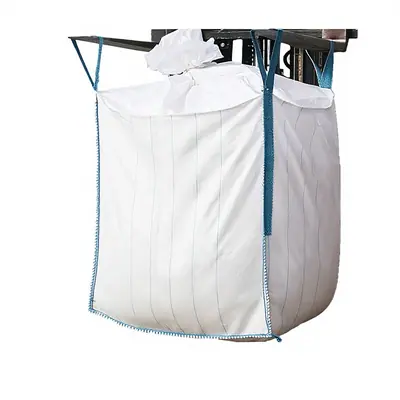
| FIBC bulk bag | PP fabric, PP loops, sometimes PE liner | Recyclable after cleaning; see bulk bag recycling below |
Our Recyclable PP Woven Bag 50kg Heavy Duty Eco-Friendly is built as a single-polymer sack, and Durable Recyclable PP Woven Bags for Rice Flour Feed covers food and feed uses. If recyclability is a priority, ask for PP coating rather than PE, light print coverage, and PP sewing thread.
What about bulk bag recycling and FIBC recycling?
FIBCs are a large and relatively clean source of PP. A 1,000 kg bulk bag typically weighs about 2–4 kg empty, mostly PP. The order of preference is:
- Reuse multi-trip bags (rated 6:1 and inspected) where the standard and the product allow it.
- Repurpose single-trip bags for low-risk storage or waste collection.
- Recycle through an industrial recycler once the bag is no longer fit for use.
Bags that held hazardous materials need decontamination and documentation before most recyclers will accept them. The full process is in FIBC recycling and reuse, and you can browse bulk bags such as Industrial Grade PP FIBC Jumbo Bags 500-2000kg Durable in FIBC Bulk Bags.
Are recycled PP woven bags as strong as virgin?
Usually not quite, and that matters for load-bearing packaging. Each melt cycle shortens some polymer chains, which raises melt flow and can reduce tape tenacity. Mixed-source PCR may also contain traces of other polymers or fillers.
In practice:
- Recycled PP woven bags are suitable for many non-critical uses: rubble and debris sacks, some construction products, low-weight agricultural goods.
- Blends of virgin resin with a share of recycled resin are common; the right percentage depends on the required tensile strength and should be confirmed by testing.
- Food-contact and high-load uses (food sacks, bulk bags carrying a rated safe working load) normally specify virgin resin, or recycled resin only from processes approved for that purpose.
Always state the minimum fabric GSM, tensile strength and UV requirement in your specification so recycled content does not quietly reduce performance.
How can you repurpose polypropylene before recycling?
Repurposing extends the life of material already made:
- Reuse woven sacks for storage, sandbags, garden waste or debris.
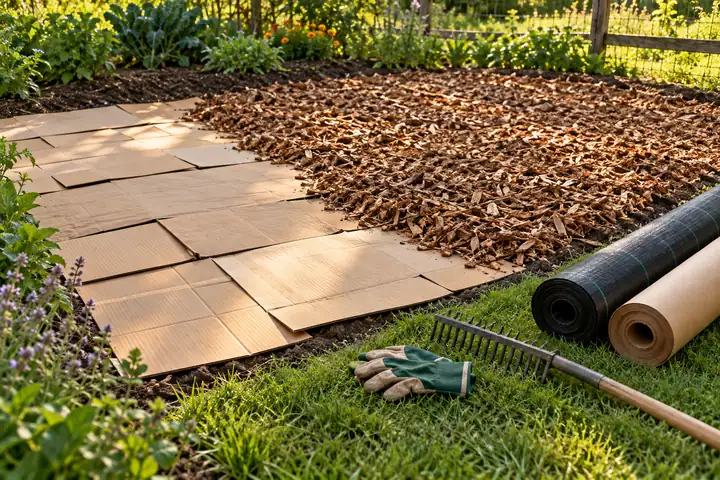
- Cut old PP fabric into ground covers, tarps or plant wraps.
- Use bulk bags for on-site waste segregation.
- Return sound pallets of empty sacks to the supplier or a distributor if a scheme exists.
Remember that PP degrades in sunlight unless UV-stabilized, so old fabric left outdoors becomes brittle and is harder to recycle. Store used bags indoors before baling.
What makes PP packaging easier to recycle?
If you are specifying bags, these choices help:
- Mono-material design: PP fabric, PP coating, PP thread, BOPP print film.
- Detachable liners instead of glued-in PE where moisture protection is needed.
- Moderate print coverage and avoiding metallized films unless barrier is essential.
- Clear resin code marking ("5 PP") on the bag.
- Right-sized GSM so you are not shipping more resin than the job needs.
Our wider look at material choices is in sustainable industrial packaging, and the material basics are in what is polypropylene.
Sourcing recyclable PP woven bags
EGP manufactures woven PP sacks, laminated bags and bulk bags in Yantai, China, with custom sizes, coatings and printing. Browse PP Woven Sacks or request a quote with your load, size and recyclability requirements, and we will suggest a construction that fits.
Frequently asked questions
Can polypropylene be recycled more than once?
Yes. PP can be mechanically recycled several times, but each melt cycle shortens some polymer chains and slightly lowers mechanical properties. Recyclers often blend in virgin resin or stabilizers to keep the material within specification.
Is 5 PP recyclable in curbside bins?
Sometimes. Many curbside programs accept rigid number 5 containers, but acceptance varies widely, and PP film and woven bags are often excluded. Check your local program's accepted-materials list before putting number 5 items in the bin.
What is post-consumer recycled PP?
Post-consumer recycled (PCR) PP is resin recovered from products that have already been used, such as containers, sacks and bulk bags. It differs from post-industrial recycled PP, which comes from clean factory scrap, and usually needs more cleaning and quality testing.
Is number 5 plastic food safe?
The number 5 only identifies the resin as polypropylene; it does not certify food safety. Food-grade PP is widely used for food containers, but whether a specific item is suitable depends on the grade, additives and inks, so ask the supplier for a declaration of compliance. See is polypropylene safe.
Are woven polypropylene sacks recyclable?
Yes. Plain woven PP sacks are mono-material and are recycled by industrial recyclers rather than curbside programs. Remove PE liners, keep the sacks clean and dry, and bale them by color for the best acceptance.