Key takeaways
- Sand (cu ft) = length (ft) × width (ft) × depth (in) ÷ 12; divide by 27 for cubic yards.
- Dry sand typically weighs about 100 lb per cu ft (1,600 kg/m³), so a cubic yard is about 2,700 lb (1.35 tons).
- One short ton of sand is about 20 cu ft (0.74 yd³); a 50 lb bag is about 0.5 cu ft.
- Paver bedding sand is about 1 in: one cubic yard covers about 324 sq ft.
- Wet sand is 10–30% heavier than dry; order by volume, not weight, when sand is damp.
To calculate how much sand you need, multiply length × width in feet by the depth in inches and divide by 12 to get cubic feet; divide by 27 for cubic yards. Dry sand typically weighs about 100 lb per cubic foot, so each cubic foot is roughly two 50 lb bags and a cubic yard weighs about 2,700 lb (1.35 short tons, about 1.6 tonnes per m³). A 12 × 16 ft patio with 1 in of bedding sand needs 16 cu ft: about 0.6 cubic yard, 1,600 lb or 32 bags of 50 lb.
Skip the maths: our free gravel, sand and topsoil calculator turns area and depth into cubic yards, m³, tons, bulk bags and 50 lb bags.
Key formula: Sand (cu ft) = length (ft) × width (ft) × depth (in) ÷ 12; weight (lb) ≈ cu ft × 100 for dry sand; 50 lb bags ≈ cu ft × 2. In metric: tonnes ≈ m³ × 1.6.
The same arithmetic sits behind every sand calculator, whether it is labelled a paver sand calculator, play sand calculator, leveling sand calculator or fill sand calculator. What changes is the depth and how wet the sand is.
How much does sand weigh?
Weight per volume, or bulk density, depends on grain size and especially moisture. Typical values:
| Sand condition | Weight per cubic foot | Weight per cubic yard | Metric (kg/m³) | Volume of 1 short ton |
|---|---|---|---|---|
| Dry, loose (play, masonry, concrete sand) | 90–110 lb | 2,430–2,970 lb | 1,440–1,760 | 18–22 cu ft (0.67–0.82 yd³) |
| Typical planning figure | 100 lb | 2,700 lb (1.35 tons) | 1,600 | 20 cu ft (0.74 yd³) |
| Damp | 110–120 lb | 2,970–3,240 lb | 1,760–1,920 | 17–18 cu ft |
| Wet / saturated | 120–130 lb | 3,240–3,510 lb | 1,920–2,080 | 15–17 cu ft |
So the weight of sand per cubic foot is typically about 100 lb dry, and the weight of sand per cubic yard is typically about 2,700 lb. How many pounds in a yard of sand? Plan on 2,500–3,000 lb for dry or slightly damp sand, more if it has been rained on. (Our online calculator uses a slightly lower 1.3 tons per cubic yard for dry sand; the difference is well within normal supplier variation.) A half cubic foot of dry sand weighs about 50 lb, which is why most retail bags are that size.
Quick reference: sand by depth, yard, ton and bag
| Depth | Area covered by 1 cu yd | Area covered by 1 short ton | 50 lb bags per 100 sq ft |
|---|---|---|---|
| 1 in (25 mm) | 324 sq ft (30 m²) | about 240 sq ft (22 m²) | about 17 |
| 2 in (50 mm) | 162 sq ft (15 m²) | about 120 sq ft (11 m²) | about 34 |
| 4 in (100 mm) | 81 sq ft (7.5 m²) | about 60 sq ft (5.6 m²) | about 67 |
| 6 in (150 mm) | 54 sq ft (5.0 m²) | about 40 sq ft (3.7 m²) | 100 |
Based on dry sand at 100 lb/cu ft and 0.5 cu ft per 50 lb bag; round up and add about 10%.
How much is a ton of sand?
Here "how much" means volume. One short ton (2,000 lb) of dry sand is about 20 cu ft, or 0.74 cubic yard — enough to fill a box about 2.7 ft on each side. One metric tonne (1,000 kg) is about 0.62 m³ (0.82 yd³). A ton of sand is about forty 50 lb bags.
When a yard sells by the ton and the sand is wet, you receive less volume for the same weight. If your project is volume-driven (a sandbox or a base), ask how damp the pile is or buy by the yard.
Paver sand calculator: how much sand for pavers?
Pavers use sand twice:
- Bedding sand — a screeded layer typically about 1 in (25 mm) thick on top of a compacted gravel base. Use coarse, washed concrete sand rather than fine play sand.
- Joint sand — swept into the gaps after laying. Ordinary jointing sand or polymeric sand coverage depends heavily on joint width and paver depth; use the coverage chart on the bag rather than a volume formula.
Worked example — 12 × 16 ft patio, 1 in bedding sand
- Area = 12 × 16 = 192 sq ft (17.8 m²)
- Volume = 192 × 1 ÷ 12 = 16 cu ft (0.59 yd³, 0.45 m³)
- Weight = 16 × 100 = 1,600 lb (about 0.8 ton)
- 50 lb bags = 16 ÷ 0.5 = 32 bags, or about 36 with 10% extra
The gravel base under it is covered in our gravel calculator guide.
How much sand for a sandbox?
Most sandboxes are filled about 6–12 in deep. Use washed, screened play sand.
Worked example — 4 × 4 ft sandbox, 6 in deep
- 4 × 4 × 6 ÷ 12 = 8 cu ft (0.23 m³)
- Weight ≈ 800 lb, or 16 bags of 50 lb (0.5 cu ft each)
A 5 × 5 ft box filled 8 in deep holds about 16.7 cu ft: roughly 33–34 bags, or about 1,670 lb. Many play sand bags hold 0.5 cu ft, but check the label.
Pool sand calculator: sand under an above-ground pool
A layer of masonry sand under an above-ground pool is typically about 2 in deep; follow the pool manufacturer's instructions, which take priority.
Worked example — 24 ft round pool, 2 in sand base
- Area = 3.1416 × 12² = 452 sq ft (42 m²)
- Volume = 452 × 2 ÷ 12 = 75.4 cu ft = 2.79 cu yd (2.1 m³)
- Weight ≈ 7,540 lb, about 3.8 short tons, or about 151 bags of 50 lb
At this size, bulk delivery or a few bulk bags is far less work than bags.
Leveling sand and fill sand calculator
For a leveling sand calculator, measure the average depth you need to fill, not the deepest point. For general fill sand, compaction matters: loose sand typically settles by roughly 10–15% when compacted in layers, so add that to the order.
Example: a 20 × 30 ft area raised 3 in with fill sand: 600 × 3 ÷ 12 = 150 cu ft = 5.56 cu yd, about 7.5 tons. With a 15% compaction allowance, order about 6.4 cu yd, or roughly 8.6 tons.
Sand calculator tons vs bags: which should I buy?
| Quantity needed | Practical option |
|---|---|
| Under about 10 cu ft | 50 lb bags (20 bags or fewer) |
| About 10–27 cu ft (up to 1 yd³) | Bags or a single bulk bag |
| Over 1 yd³ | Loose bulk delivery or 1-tonne bulk bags |
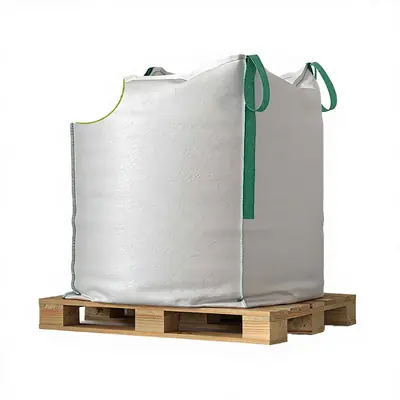
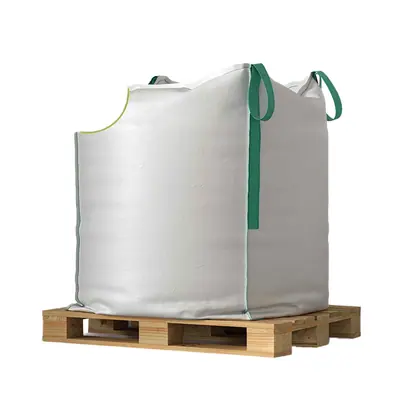
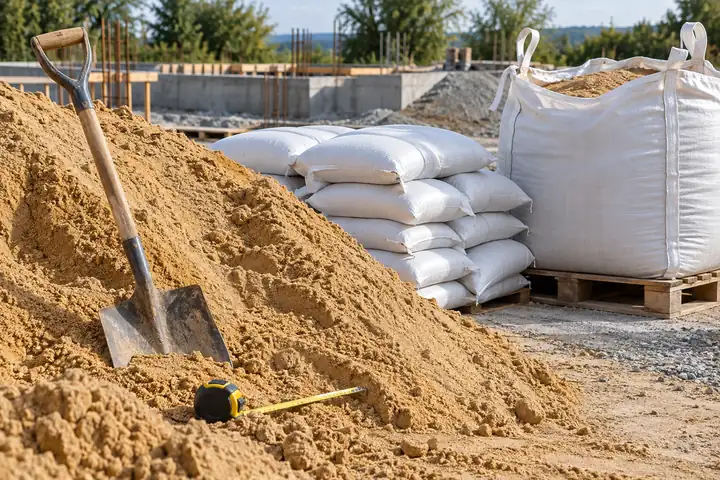
A 50 lb bag of sand is easy to carry and store dry, which suits play sand, small repairs and paver joints. A 1-tonne bulk bag of dry sand holds about 0.6 m³ (about 0.8 yd³), delivered by crane truck and placed where a tipper cannot reach.
Sand for sandbags
Flood sandbags hold about 35–40 lb (16–18 kg) of sand each, so one short ton fills about 50–57 standard sandbags. Our sandbag calculator and the guide how many sandbags do I need give wall-size tables, and how to fill and stack sandbags covers technique.
Bags for sand suppliers and distributors
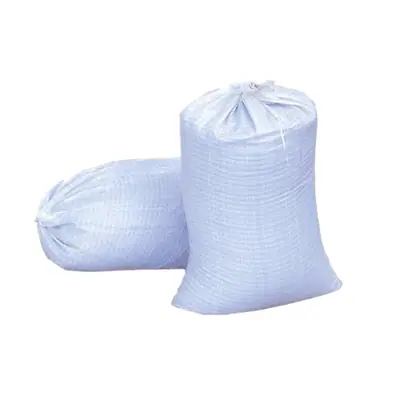
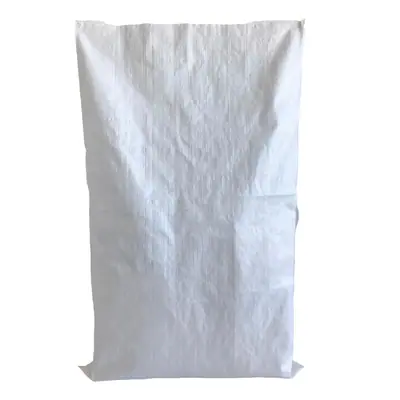
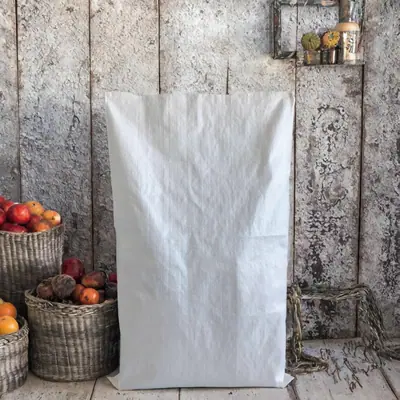
Sand is abrasive and heavy, so the bag matters. Woven polypropylene resists punctures and handles rough stacking better than film; UV stabilization protects bags stored outdoors. For retail and sandbag packs, consider the UV Stabilized PP Woven Bag with Top Drawstring for Sand or the Heavy Duty Moisture Proof PP Woven Bag with Reinforced; for 50 kg packs, the Recyclable PP Woven Bag 50kg Heavy Duty Eco-Friendly. For bulk, the FIBC Bulk Jumbo Big Bag 1 Ton PP Woven Food Grade Super is a 1-tonne bag designed for sand. Fine, dry sand can sift through uncoated fabric, so ask for coated fabric for kiln-dried or play sand. Browse PP Woven Sacks or read bulk bags for sand, gravel and aggregates.
EGP manufactures in Yantai, Shandong, in a 3,500 m² facility with 110 staff, and supplies sand packers, distributors and municipalities factory-direct in custom sizes and prints. Send your bag size and fill weight through our contact page for a quote.
Frequently asked questions
How many 50 lb bags of sand make a yard?
About 54. A 50 lb bag of dry sand is typically 0.5 cu ft, and a cubic yard is 27 cu ft, so 27 ÷ 0.5 = 54 bags. That is about 2,700 lb of sand.
How much does a yard of sand weigh?
Typically about 2,700 lb (1.35 short tons, about 1,220 kg) for dry sand, with a range of about 2,400–3,000 lb. Wet sand can exceed 3,200 lb per cubic yard.
How much does a cubic foot of sand weigh?
Dry sand typically weighs 90–110 lb per cubic foot, with 100 lb a good planning figure (about 1,600 kg/m³). Damp sand is around 110–120 lb and saturated sand up to about 130 lb.
How much sand do I need for a 4x4 sandbox?
At 6 in deep, a 4 × 4 ft sandbox holds 8 cu ft of sand: about 800 lb, or 16 bags of 50 lb. Fill it 8–12 in deep and you need 11–16 cu ft, or 22–32 bags.
What does 1 ton of sand cover?
At 1 in deep, one short ton of dry sand (about 20 cu ft) covers about 240 sq ft; at 2 in about 120 sq ft. Wet sand covers less per ton because water adds weight.
How much sand do I need for pavers?
Plan on about 1 in of bedding sand: 1 cubic yard covers about 324 sq ft. A 12 × 16 ft patio needs about 16 cu ft (32 bags of 50 lb), plus joint sand according to the bag's coverage chart.