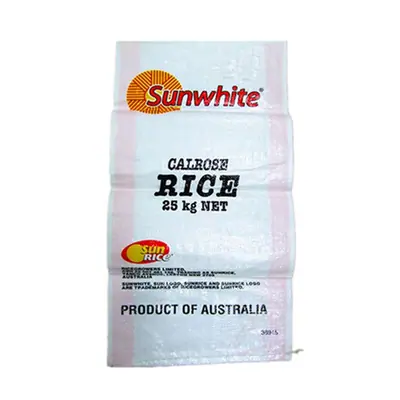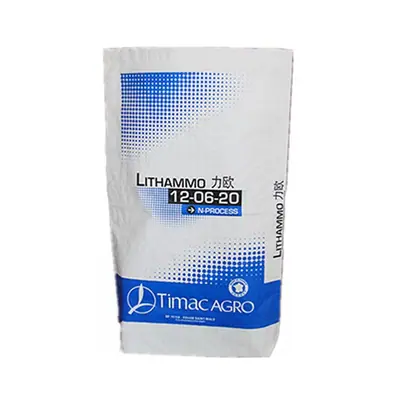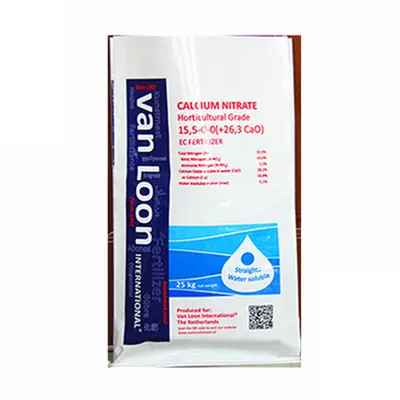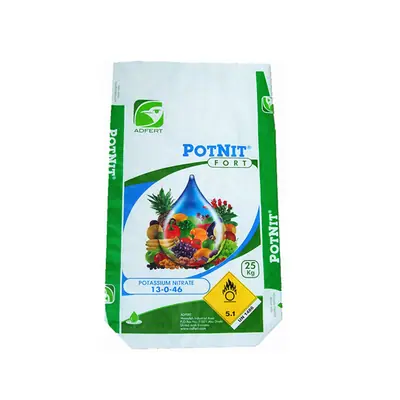
Key takeaways
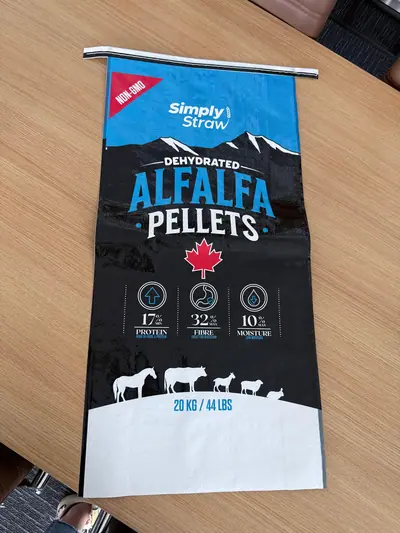
- BOPP bags are woven polypropylene sacks laminated with a thin, reverse-printed biaxially oriented polypropylene film.
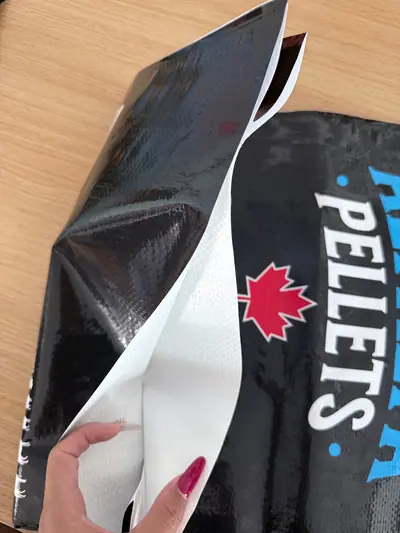
- The woven fabric carries the load; the film gives photographic print, gloss or matte finish and a moisture barrier.
- Typical builds: about 60–90 g/m² woven fabric + 18–25 µm BOPP film, rotogravure printed in up to around 8–10 colors.
- Ideal for branded pet food, feed, rice, seed, sugar and fertilizer in 5–50 kg sizes.
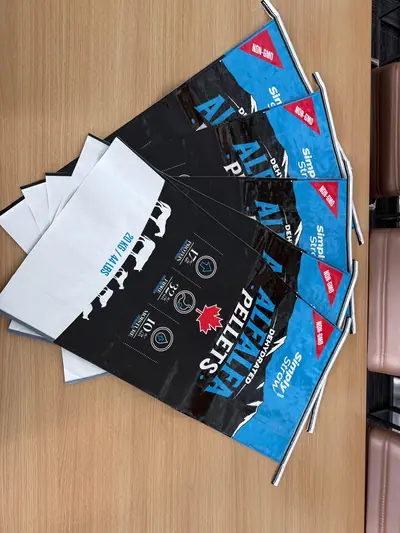
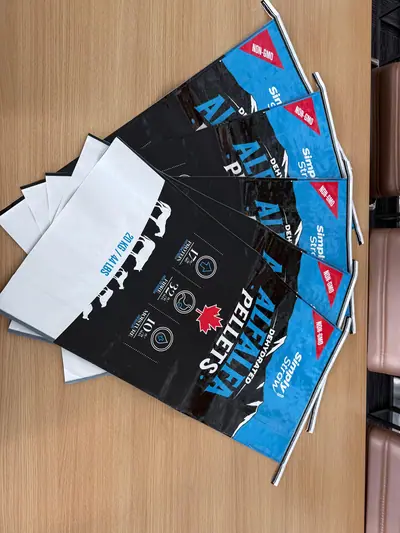
BOPP bags are woven polypropylene sacks with a printed film of biaxially oriented polypropylene (BOPP) laminated to the outside. The woven fabric provides the strength to carry 5–50 kg; the BOPP film, printed on its reverse side by rotogravure so the ink is sealed beneath the surface, provides high-definition graphics, a gloss or matte finish and resistance to moisture and scuffing. They are the go-to format for branded pet food, animal feed, rice, seed and fertilizer.
This guide explains how BOPP laminated bags are built, what to specify, how printing works, and what to ask BOPP bags manufacturers. For a head-to-head with plain woven and paper-poly sacks, see our PP woven vs BOPP vs paper-poly comparison.
What is BOPP?
BOPP stands for biaxially oriented polypropylene. A polypropylene film is stretched in both the machine direction and the cross direction during manufacture. Orientation aligns the polymer chains, producing a film that is:
- Clear and glossy, ideal for reverse printing.
- Strong for its thickness, with good tensile and puncture resistance.
- A good moisture barrier (low water-vapor transmission).
- Chemically the same family as the woven fabric, so a BOPP woven bag is essentially all polypropylene.
That last point matters for recycling: a standard BOPP woven bag is a mono-material PP structure (resin code 5), unlike laminates that combine paper and plastic. Polypropylene itself is explained in our what is polypropylene guide.
How are BOPP laminated bags made?
- Tape extrusion and weaving. PP is extruded into film, slit into tapes and woven on circular looms into tubular fabric (or flat fabric for some styles).
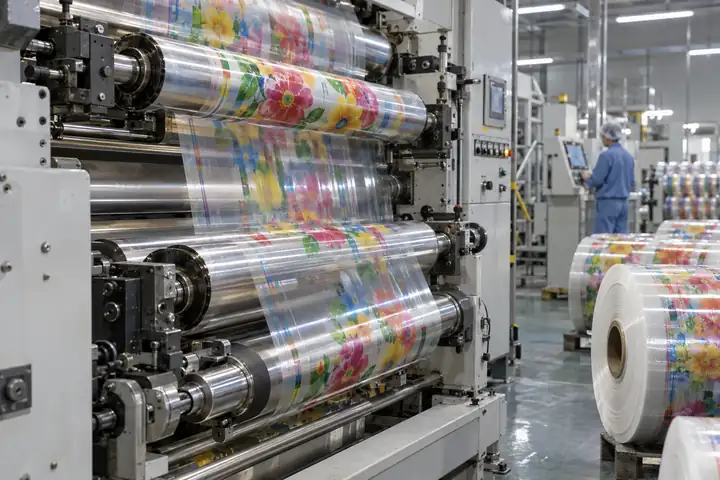
- Film printing. BOPP film is reverse printed on a rotogravure press, one engraved cylinder per color.
- Lamination. The printed film is bonded to the woven fabric using an extruded PP tie layer, sealing the ink between film and fabric.
- Conversion. The laminated tube is cut, gusseted, and closed by sewing, pinch-bottom sealing or block-bottom welding, with options such as handles, valves or easy-open strips.
- Inspection and baling. Bags are checked for print registration, lamination bond and dimensions, then pressed into bales.
Typical BOPP bag specification
| Parameter | Typical range | Notes |
|---|---|---|
| Fill weight | 5–50 kg (10–110 lb) | Heaviest fills need heavier fabric |
| Woven fabric | about 60–90 g/m² | Higher for 40–50 kg or rough handling |
| Tape mesh | commonly 10×10 to 14×14 tapes per inch | Finer weave = smoother lamination surface |
| BOPP film | about 18–25 µm | Gloss, matte or metallized |
| Lamination layer | about 15–25 g/m² | Bonds film to fabric |
| Liner (optional) | PE, about 20–60 µm | For hygroscopic or very fine products |
| rotogravure, up to around 8–10 colors | Photo-quality images |
Values are common industry ranges; the right numbers depend on fill weight, drop height and storage.
Worked example – fabric weight per bag. A 50 × 80 cm flat bag (100 cm circumference × 80 cm length = 0.80 m² of fabric) at 70 g/m² uses about 56 g of fabric; add film at about 22 g/m² (about 18 g) and lamination at about 18 g/m² (about 14 g), and the empty bag weighs roughly 88 g before gussets, hems and thread. Use this kind of calculation to compare quotes on an equal basis.
BOPP woven bags: styles and features
Bag styles
- Side gusset bags expand into a rectangular base for stable pallets and a large printable front, the standard for pet food and feed. See our Custom Printed Side Gusset BOPP Bag with High Gloss.
- Block bottom / pinch bottom bags stand upright on shelves and stack squarely.
- Flat (pillow) bags are the most economical for bulk feed, grain and fertilizer.
- Valve BOPP bags for powders filled on valve packers; see our valve bag filling machine guide.
Finishes
- Gloss for vivid colors and shelf impact.
- Matte for a premium, low-glare look; sometimes combined (matte with gloss highlights).
- Metallized BOPP for a silver or gold effect and improved light and gas barrier. See our Metallized BOPP Side Gusset Bag with Enhanced Oxygen.
- Transparent windows to show kibble, rice or seed.
Features
- Anti-slip coatings for safe pallet stacking.
- Handles (punched or attached) on 5–20 kg retail bags.
- Easy-open pull strips and reclosable zippers or drawstrings, such as the BOPP Side Gusset Drawstring Bag with Moisture Proof.
- Micro-perforation to vent air during filling.
- UV stabilization for outdoor storage.
- Cross-laminated or reinforced constructions for very heavy or sharp products, like the Heavy Duty Side Gusset BOPP Bag Cross Laminated Layer.
Custom printed packaging bags: how BOPP printing works
Rotogravure uses an engraved metal cylinder for each color. Because the image is printed on the reverse of a clear film, the ink is protected under the film once laminated — it does not rub off in transport.
What this means for buyers:
- Cylinders are a one-time cost per design and color. Changing artwork later needs new cylinders for the changed colors only.
- Larger runs amortize cylinder costs, which is why minimum order quantities for gravure-printed packaging bags with a logo are typically higher than for flexo-printed plain woven sacks.
- Artwork must be prepared for reverse printing, with a white backing layer where opaque color is needed and bleeds for gussets.
- Color matching should be done against Pantone references and a physical proof.
For lower volumes or simpler designs, a plain woven sack with 1–4 color flexo printing is cheaper; for photographic retail graphics, BOPP is the standard.
Where BOPP bags are used
| Product | Typical size | Why BOPP |
|---|---|---|
| Dry pet food | 2–20 kg | Shelf appeal, grease resistance, moisture barrier |
| Animal feed | 20–25 kg / 50 lb | Branding, durability, rain resistance |
| Rice | 5–50 kg | Retail print, windows, handles |
| Seed | 10–25 kg | Variety imagery, moisture protection |
| Fertilizer | 25–50 kg | Weather resistance, product information |
| Sugar, flour (with liner) | 10–50 kg | Print plus barrier; see food requirements |
Food uses have their own material and hygiene requirements; see our food packaging bags guide. Feed buyers should also read our feed bags guide.
BOPP vs other flexible packaging bags
BOPP laminated woven bags sit between plain woven sacks and all-film flexible packaging bags:
- Compared with plain PP woven sacks, BOPP adds print quality, moisture resistance and a cleaner surface, at higher cost.
- Compared with paper-poly bags, BOPP is more moisture-resistant and usually mono-material PP, but lacks the natural kraft look.
- Compared with multilayer film pouches (used for small retail packs), BOPP woven bags are far stronger at 10–50 kg.
How to brief BOPP bags manufacturers
When requesting quotes from BOPP bags manufacturers or PP laminated bags manufacturers, supply:
- Product, fill weight and bulk density.
- Bag style and dimensions (width × length × gusset).
- Fabric g/m² and mesh, film type and thickness, finish.
- Liner, valve, handle, window and closure requirements.
- Artwork files and number of colors.
- Annual and per-order quantities, packing method and destination port.
Ask for a printed proof and sample bags, then test drop, stacking and filling on your line. Our importing checklist lists the inspection points.
Factory-direct BOPP bags
EGP manufactures BOPP laminated woven bags in Yantai, Shandong, with custom sizes and printing for feed mills, pet food producers, rice packers, seed companies and distributors. We have 24 years as an Alibaba.com supplier and a 4.9/5 store rating. Browse the Laminated & BOPP Bags range or send your specification through our contact page.
Frequently asked questions
Are BOPP bags the same as PP woven bags?
A BOPP bag is a PP woven bag with a printed BOPP film laminated to the outside. The woven fabric provides the strength, while the film adds high-quality graphics, gloss or matte finish and moisture resistance.
Are BOPP laminated bags recyclable?
Standard BOPP woven bags are made almost entirely of polypropylene, so they are a mono-material structure suitable for PP (code 5) recycling where collection exists. Adding a paper layer, PE liner or metallized film can complicate recycling.
How many colors can be printed on BOPP bags?
Rotogravure printing on BOPP film commonly supports up to around 8–10 colors, giving photographic image quality. Each color requires its own engraved cylinder.
What thickness of BOPP film is used for bags?
Most BOPP woven bags use film of about 18–25 microns. Thicker film adds stiffness and scuff resistance, while the woven fabric weight is what mainly determines load capacity.
Do BOPP bags keep moisture out?
BOPP film is a good moisture barrier, so laminated bags protect contents much better than uncoated woven sacks. For very hygroscopic products such as sugar or some fertilizers, add a PE liner and seal the closure well.