Key takeaways
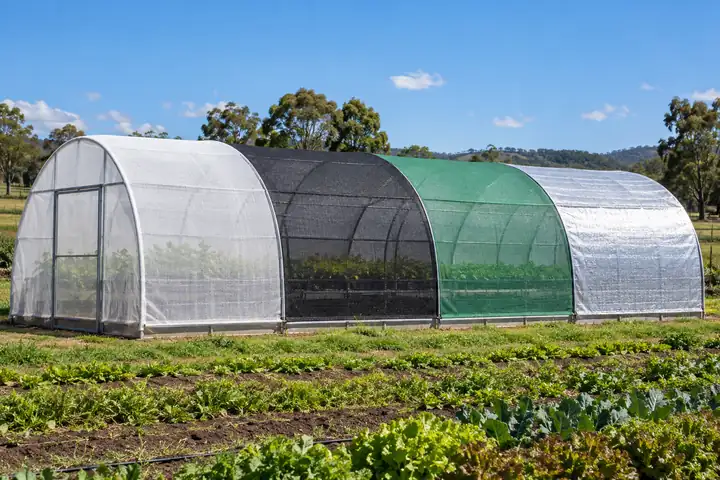
- Black shade cloth absorbs heat and lasts longest in the sun; white reflects heat and diffuses light, so it usually runs cooler under the same shade %.
- Aluminized cloth reflects the most heat and is used in hot greenhouses; green is mainly chosen for looks.
- Knitted HDPE cloth is light, cuttable without fraying and the standard for growers; woven cloth is denser, stiffer and frays when cut.
- A heavy duty shade tarp is simply hemmed knitted cloth with reinforced edges and grommets every 30–60 cm (1–2 ft).
White shade cloth reflects more sunlight and diffuses the rest, so it usually keeps plants cooler than black cloth at the same shade percentage, while black shade cloth absorbs heat but lasts longest and is the most common general-purpose choice. For hot-climate greenhouses and heat-sensitive crops, white or aluminized cloth is often better; for livestock shade, windbreaks and long outdoor life, black is the safe default. Knitted HDPE is the standard construction for both.
Shade cloth is a knitted or woven mesh fabric, usually HDPE or PP, that blocks a stated percentage of sunlight while letting air and rain pass through. This guide covers color and construction. For choosing a percentage, see the shade cloth percentage guide; for materials and greenhouse use in more depth, see the greenhouse shade cloth guide.
What is the difference between white and black shade cloth?
Every shade cloth blocks light. The color decides what happens to the energy that does not pass through.
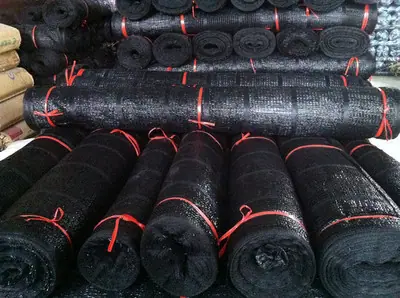
- Black shade cloth absorbs most of that energy and turns it into heat in the fabric. Mounted well above plants with good airflow, the heat rises away. Laid close to plants or under a closed roof, it can warm the air underneath. Carbon black is also an excellent UV stabilizer, which is why black cloth typically outlasts other colors.
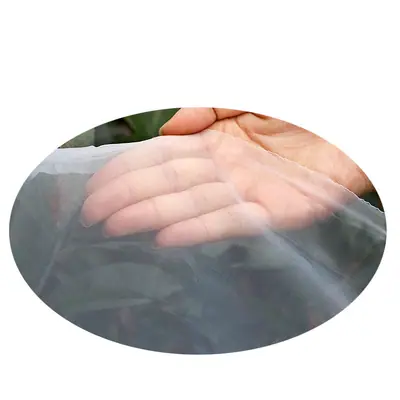
- White shade cloth reflects a large share of the energy back to the sky and scatters what passes through. Light under white cloth is softer and more even, with fewer hot spots on leaves and fruit.
| Color | Heat under the cloth | Light quality | Typical UV life* | Best for |
|---|---|---|---|---|
| Black | Warmest | Direct, patchy shade | Longest, often 7–10 years | Livestock, windbreaks, nurseries, general use |
| White | Cooler | Diffuse, even | Good, often 5–8 years | Hot greenhouses, vegetables, propagation |
| Aluminized (reflective) | Coolest | Diffuse, bright | Good | Hot greenhouses, interior energy screens |
| Green | Similar to black | Slightly green-shifted | Good | Gardens, fencing, appearance |
| Beige / sand | Moderate | Neutral | Good | Patios, carports, people shade |
| Red / blue (photoselective) | Moderate | Changes red:blue ratio | Good | Specialized crop trials |
*Lifespan depends far more on UV stabilizer content, fabric weight and climate than on color alone; treat these as typical ranges, not guarantees.
Does white shade cloth block more UV?
Not by color alone. At the same shade percentage and weight, the cloth intercepts a similar share of light. White cloth's advantage is temperature, not UV filtering. If UV protection for people is the goal, choose a higher percentage (70–90%) in any color.
Is green shade cloth any good for plants?
Green shade cloth works, but it has no growing advantage over black. Its main appeal is that it blends into gardens and hedges. Some growers believe it filters "useful" light; the effect is small compared with simply picking the right percentage.
What is aluminized shade cloth?
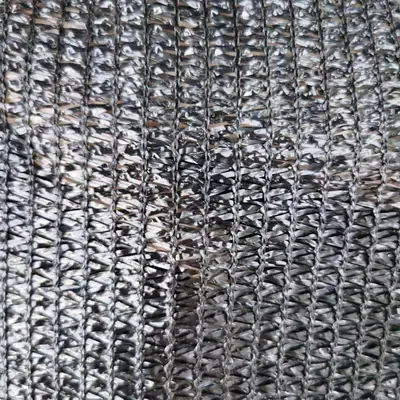
Aluminized shade cloth is a knitted fabric made from flat tapes coated with a thin aluminum layer. It reflects a very high proportion of solar radiation, so the space underneath stays cooler than under black or white cloth of the same rating. Because it also reflects heat back down at night, it is used inside greenhouses as an energy-saving screen in cold weather. It costs more than standard cloth and is mostly used by commercial greenhouses and growers in very hot climates. You will often see it sold under trade names; ask for the shade percentage and the reflectivity rather than the name.
Knitted vs woven shade cloth: which is better?
| Feature | Knitted shade cloth | Woven shade cloth fabric |
|---|---|---|
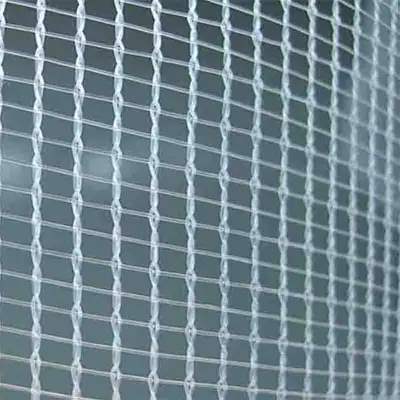
| Construction | Monofilament and tape yarns knitted in a lock-stitch | Flat tapes or yarns woven over-under |
| Typical material | HDPE | PP or HDPE |
| Weight at 50–70% shade | ~90–170 g/m² | Often heavier for the same shade |
| Cutting | Can be cut without unraveling | Frays; needs hemmed or taped edges |
| Stretch | Slight give; tensions well on frames | Very little stretch |
| Shrinkage | Low | Can shrink a few percent in sun |
| Airflow | Good | Lower at the same shade % |
| Common use | Growers, greenhouses, tarps, fencing | Stiff industrial screens, some greenhouse covers |
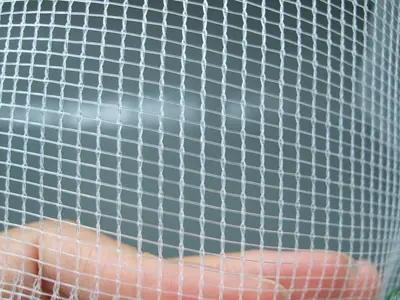
Knitted vs woven shade cloth comes down to use. Knitted shade cloth is lighter, breathes better, does not fray when cut and is the standard for agriculture and shade tarps. Woven cloth is denser and smoother, and is used where a stiff, tight surface is wanted, but it frays and can shrink. For almost every grower, knitted is the better choice.
Is HDPE shade cloth better than polypropylene?
HDPE shade cloth (high-density polyethylene) is the most widely used material for knitted shade fabric. It is flexible, does not absorb water, resists rot and mildew, and takes UV stabilizer well. Polyethylene shade cloth and hdpe shade fabric are the same family of products. Polypropylene is also used, especially in woven and some knitted cloths; it is slightly stiffer and lighter for the same thickness. Both last for years outdoors when properly UV-stabilized. Our polypropylene vs polyethylene article explains the differences between the two polymers.
What really decides quality:
- Virgin resin rather than unknown recycled content.
- UV stabilizer level, stated in years or kLy.
- Fabric weight (g/m²) for the rated percentage; very light cloth may hit the percentage when new but wear out fast.
- Knit density and tape width, which affect strength and tear resistance.
What makes a good shade tarp?
A shade tarp is finished shade cloth: cut to size, hemmed, edge-reinforced and fitted with grommets. Mesh shade tarps are popular for livestock pens, nurseries, carports, dog runs and construction sites because they are quick to install and replace.
Heavy duty shade tarp checklist
- Fabric: knitted HDPE, 70–90% shade for people and animals, 30–60% for plants.
- Weight: around 150–220 g/m² for a heavy duty tarp; lighter for garden use.
- Edges: double-folded hem or sewn webbing binding all round.
- Grommets: rust-resistant brass, aluminum or stainless, typically every 30–60 cm (1–2 ft); corners reinforced with extra patches.
- Sizes: common rectangles such as 2 × 3 m (6 × 10 ft), 3 × 4 m (10 × 13 ft), 4 × 6 m (13 × 20 ft) and 6 × 8 m (20 × 26 ft). Many listed sizes are cut sizes; finished size after hemming may be slightly smaller.
A sun shade tarp with grommets should be tensioned with bungees, ball ties or rope through every grommet, not just the corners. Shade cloth is not waterproof; heavy rain passes through it, and if you need rain cover you need a coated tarp, which blocks airflow. For installation details, see how to install shade cloth.
What is the best shade fabric for my use?
| Use | Recommended fabric |
|---|---|
| Vegetables and fruiting crops | Knitted HDPE, white or black, 30–50% |
| Hot-climate greenhouse | White or aluminized knitted cloth, 30–50% |
| Nursery and propagation | Black or white knitted, 50–70% |
| Livestock and poultry shade | Black knitted heavy duty shade tarp, 70–80% |
| Patio, carport, people | Beige, black or green knitted, 80–90% |
| Windbreak and privacy fence | Black or green knitted, 80–90%, reinforced edges |
The best shade fabric for most buyers is knitted HDPE in black or white, made from virgin resin with good UV stabilization, at a percentage matched to the job. Outdoor shade fabric and sun shade material sold by the roll are simply this cloth before finishing.
Buying shade cloth and outdoor shade material in bulk
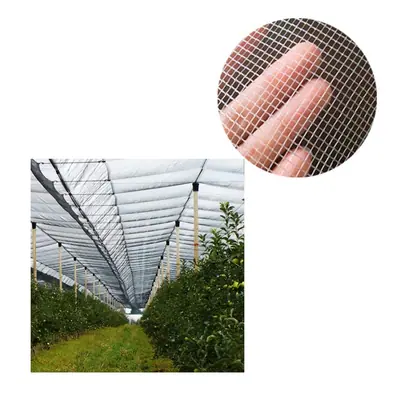
EGP is a factory in Yantai, Shandong, supplying distributors, farm stores and growers. Our Agricultural Sun Shade PP Polypropylene Black UV comes in 30%, 60% and 80% shade, and we can discuss other colors, widths, roll lengths and finished tarps with grommets at your MOQ. For crops that also face hail, the HDPE White Large Hail protection Net Anti Hail for apple gives light white shading with hail protection, and 100% Virgin Plastic Anti-Hail Mesh Net for Greenhouse covers fine-mesh needs. See the Hail, Shade & Insect Nets range and request a quote.
Frequently asked questions
Is white or black shade cloth better for plants?
White shade cloth usually keeps plants cooler and gives more even light at the same shade percentage, which suits hot greenhouses and heat-sensitive crops. Black cloth is cheaper in many markets, lasts longest and works well when mounted high with good airflow. Both are effective if the percentage is right.
Does black shade cloth make it hotter underneath?
Black cloth absorbs heat, so if it is mounted low or under a closed roof it can warm the air under it. Mounted 1–2 m above the crop with open sides, most of that heat rises away. In very hot climates white or aluminized cloth is the cooler option.
Can you cut knitted shade cloth without it fraying?
Yes. Knitted shade cloth uses a lock-stitch construction, so it can be cut to size without unraveling. For a long life and secure fixings, still hem the edges or use clips that spread the load. Woven cloth frays and needs its cut edges hemmed or taped.
What does HDPE shade cloth mean?
HDPE shade cloth is made from high-density polyethylene yarns, usually knitted. HDPE is strong, flexible, water-resistant and takes UV stabilizer well, which is why it is the most common shade cloth material for agriculture and shade tarps.
How long does shade cloth last?
Good UV-stabilized knitted HDPE cloth typically lasts 5–10 years outdoors, depending on climate, color, weight and tension. Black usually lasts longest. Cloth that flaps in the wind or rubs on frames wears out much faster.
Is shade cloth waterproof?
No. Shade cloth is a mesh that lets air and rain through, which is why it stays cooler than a solid tarp. If you need rain protection, use a coated tarp or film and accept that it will trap more heat.