Key takeaways
- Use 30% shade cloth for tomatoes in most hot summers and 40% in desert or very high-UV regions; 50% and above usually cuts yield.
- Put it up when daytime highs stay above about 90 °F (32 °C) or fruit shows sunscald, and take it down when the heat breaks.
- Peppers want 30–40%, strawberries 30–50%, lettuce and broccoli 40–50%.
- Mount the cloth 1–2 ft (30–60 cm) above the plants with open sides so hot air can escape.
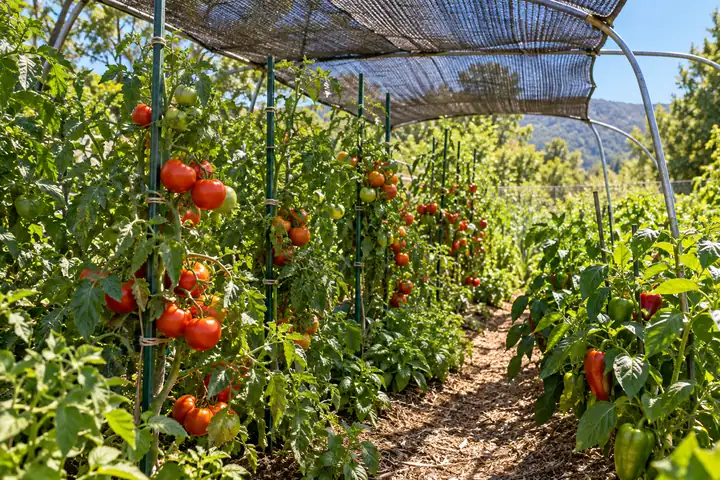
The best shade cloth for tomatoes is a 30% cloth, rising to 40% in desert or very high-UV climates, put up when daytime temperatures stay above about 90 °F (32 °C) and taken down when the heat breaks. It reduces sunscald on fruit and heat-related blossom drop without starving plants of the light they need to set fruit. Most other fruiting vegetables follow the same rule, while leafy greens and brassicas prefer 40–50%.
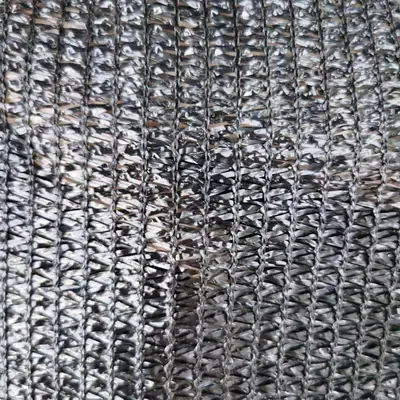
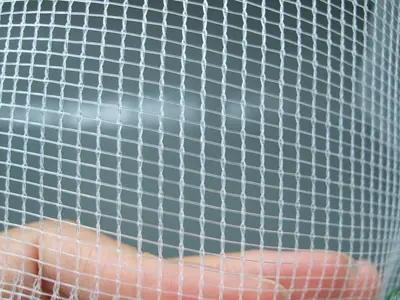
Shade cloth is a knitted or woven polyethylene or polypropylene fabric rated by the percentage of sunlight it blocks. This guide is about when and how to use it on tomatoes and other vegetables. If you want the general meaning of percentages from 30% to 90%, read our shade cloth percentage guide first.
When should you use shade cloth on tomatoes?
Tomatoes are sun lovers, so shade is a heat-wave tool, not a permanent fixture. Use it when one or more of these triggers appear:
- Daytime highs regularly above about 90 °F (32 °C). Pollen becomes less viable and flowers drop without setting fruit.
- Night temperatures above about 75 °F (24 °C). Plants cannot recover overnight, and fruit set stalls.
- Sunscald: pale, papery or blistered patches on the sun-facing shoulders of fruit, especially after pruning or leaf loss.
- Afternoon wilting that persists even though the soil is moist.
- Transplanting in late spring or summer, when young plants have not yet built roots.
When forecasts drop back into the 70s and 80s °F (about 21–31 °C), remove the cloth or roll it back. Leaving shade on in mild weather slows ripening and encourages leggy growth.
How much does shade cloth cool tomato plants?
Under a well-ventilated cloth, leaf and fruit surface temperatures can fall noticeably, and air temperature under the canopy typically drops a few degrees. The exact number depends on color, height and airflow, so treat any figure as a range. What matters is that the cloth cuts the peak solar load on the fruit, which is what causes sunscald.
What percentage shade cloth for tomatoes and other vegetables?
| Crop | Shade % | Start using when | Main benefit |
|---|---|---|---|
| Tomatoes | 30% (40% in deserts) | Highs above ~90 °F / 32 °C; sunscald appears | Better fruit set, less sunscald |
| Bell peppers | 30–40% | Highs above ~85–90 °F / 29–32 °C | Less sunscald on fruit shoulders |
| Hot peppers | 30% | Highs above ~95 °F / 35 °C | Fewer dropped flowers |
| Eggplant | 30% | Highs above ~95 °F / 35 °C | Less leaf scorch |
| Cucumbers, squash | 30% | Leaf scorch or midday wilting | Longer harvest |
| Strawberries | 30–50% | Highs above ~85 °F / 29 °C | Firmer fruit, less leaf burn |
| Lettuce, spinach | 40–50% | Highs above ~75–80 °F / 24–27 °C | Slower bolting, less bitterness |
| Broccoli, cabbage, kale | 40–50% | Highs above ~80 °F / 27 °C | Tighter heads, less bolting |
| Seedlings, transplants | 50% | First 5–10 days after planting | Less transplant shock |
These are typical starting points; adjust for your climate and variety. In cloudy or coastal regions you may need less shade, and in high-altitude or desert regions a little more.
Is 30 shade cloth enough for tomatoes?
For most gardens, yes. 30 shade cloth passes around 70% of sunlight, which is still plenty for tomatoes to photosynthesize, flower and ripen fruit. It is the safest choice if you are unsure.
When to choose 40 shade cloth
40 shade cloth suits very hot or high-UV regions, west-facing beds that bake in the afternoon, and mixed beds where peppers or strawberries sit next to tomatoes. It is a reasonable compromise for a single cloth over several crops.
When to choose 50 shade cloth
50 shade cloth is too dense for tomatoes over a full season, but it is the right choice for lettuce, broccoli, spinach, herbs and newly planted seedlings. Many growers use 50% for one or two weeks after transplanting tomatoes in hot weather, then switch to 30%.
Shade cloth for peppers and bell peppers
Peppers set fruit across a narrower temperature window than tomatoes and suffer sunscald on the exposed fruit. Shade cloth for bell peppers at 30–40% is common in hot regions, and many growers report larger, cleaner fruit under it. Hot peppers tolerate more sun, so lean toward 30% or no shade until temperatures climb into the mid-90s °F (around 35 °C). Planting peppers closer together so leaves shade the fruit is a useful complement.
Shade cloth for strawberries
Strawberries are cool-season plants. Under strong sun they suffer leaf burn, and the fruit turns soft. Shade cloth for strawberries at 30% suits mild summers; 40–50% suits day-neutral and everbearing varieties fruiting through midsummer heat. A cloth on low hoops can also carry bird netting underneath; see fruit tree netting for bird protection on berries.
Shade cloth for lettuce and broccoli
Leafy greens and brassicas bolt when heat and long days combine. Shade cloth for lettuce at 40–50% keeps leaves sweet and can extend a spring crop by several weeks. Shade cloth for broccoli helps heads stay tight in late-spring heat. For summer sowings, a 50% cloth over the seedbed keeps soil moist and helps germination, which many cool-season seeds struggle with in hot soil.
How do you put shade cloth over raised beds?
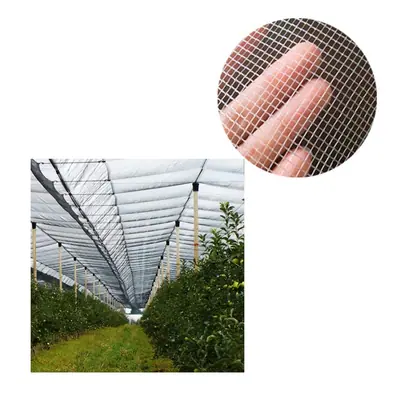
The most common mistake is laying cloth directly on plants. It traps heat against the leaves and can rub fruit. Instead, mount it above the crop with open sides.
Simple hoop frame
- Push 1/2 in (12–13 mm) PVC conduit or 9-gauge wire hoops into the soil or into pipe sleeves on the bed sides, every 3–4 ft (90–120 cm).
- Aim for 1–2 ft (30–60 cm) of clearance above the tallest plants.
- Drape the cloth over the hoops and fix it with snap clamps, leaving the lower sides open for airflow.
Tall frame for tomato beds
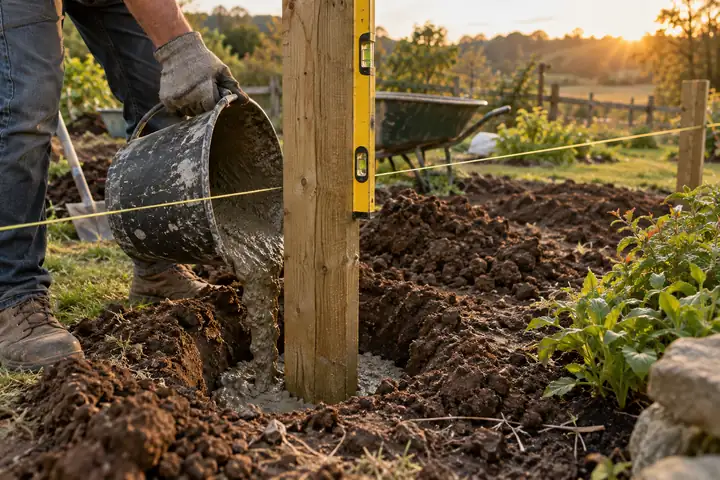
Tomatoes grow 4–6 ft (1.2–1.8 m) tall, so hoops rarely work. Attach a top rail to existing tomato stakes or cages, or build a simple frame of wooden posts or T-posts, and stretch the cloth over the top and the west side only. That shades the hottest afternoon hours while leaving morning sun.
DIY shade cloth for plants
For a quick diy shade cloth for plants, an old sheet or burlap will work for a day or two, but it blocks unpredictable amounts of light and holds moisture. A cut piece of proper knitted shade fabric with hemmed or bound edges lasts much longer and gives you a known percentage. Knitted cloth can be cut to size without unraveling; woven cloth needs its edges taped or hemmed. Our guide on how to install shade cloth covers clips, grommets and tensioning.
Shade cloth for raised beds is easiest with a hinged or rolled system so you can open it on cooler days in a few seconds.
Which color shade cloth is best for tomatoes?
Black cloth is the most common and the most UV-durable; mounted well above plants it works well. White and reflective cloth run cooler underneath at the same rating and give softer, more diffuse light, which some growers prefer in very hot regions. Green is mostly chosen for appearance. Our article on white vs black shade cloth explains the differences in detail.
Buying shade cloth for plants in bulk
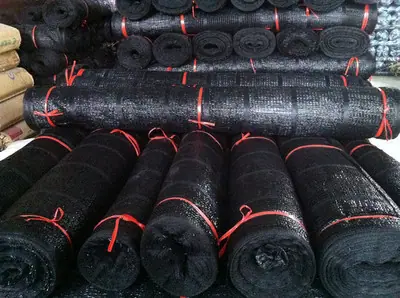
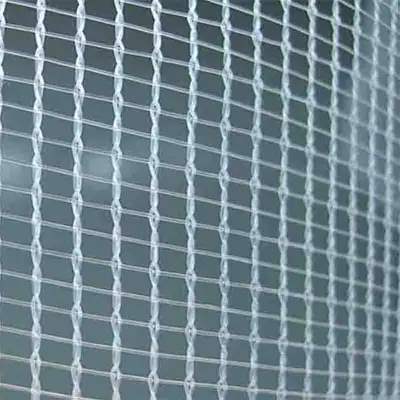
For distributors, garden centers and farms, the details that matter are shade percentage, color, fabric weight (g/m²), UV stabilization, width, roll length and edge finish. EGP manufactures our Agricultural Sun Shade PP Polypropylene Black UV in Yantai, China, and supplies it alongside 100% Virgin Plastic Anti-Hail Mesh Net for Greenhouse for vents and tunnels, and HDPE White Large Hail protection Net Anti Hail for apple where hail is the bigger risk. See the full Hail, Shade & Insect Nets range or request a quote with your sizes; we usually respond within 8 hours.
Frequently asked questions
What is the best shade cloth for tomatoes?
A UV-stabilized 30% knitted shade cloth is the best all-round choice for tomatoes, with 40% for desert or very high-UV regions. Mount it above the plants with open sides so heat can escape. Avoid 50% and higher for the full season, because yields usually fall.
At what temperature should I use shade cloth on tomatoes?
Most growers put shade cloth up when daytime highs stay above about 90 °F (32 °C), or nights stay above about 75 °F (24 °C). Sunscald on fruit or wilting in moist soil are also signs. Take it down once temperatures return to the 70s and 80s °F.
Should shade cloth be on tomatoes all day?
Not necessarily. Many growers shade only the afternoon by covering the top and west side, leaving morning sun. If the cloth is on a fixed frame, it can stay up during a heat wave, but remove it in milder weather so fruit ripens normally.
What percentage shade cloth for peppers?
Bell peppers do well under 30–40% shade cloth in hot summers, which reduces sunscald on the fruit. Hot peppers tolerate more sun and usually need only 30%, or none until temperatures reach the mid-90s °F.
Can I use the same shade cloth for tomatoes and lettuce?
You can, but it is a compromise. Tomatoes prefer 30% and lettuce 40–50%. Many gardeners use 40% over mixed beds, or two separate cloths, since shade cloth is inexpensive to cut to size.
Does shade cloth help tomatoes set fruit in hot weather?
It helps by lowering leaf and flower temperature, which keeps pollen viable for longer. It cannot fully overcome extreme heat, so pair it with deep watering, mulch and heat-tolerant varieties.