Key takeaways
- Industrial custom printed bags are woven PP sacks, BOPP laminated bags, valve bags, mesh bags and bulk bags printed with your logo, product data and barcode.
- Flexo (typically 1–4 colors) suits plain woven sacks and bulk bags; rotogravure on reverse-printed BOPP (up to about 8–10 colors) gives photo-quality retail graphics.
- Send vector artwork, Pantone references, 3–5 mm bleed and a scannable barcode (EAN-13/UPC at 80–200% size).
- Printed woven bags commonly carry an MOQ of around 10,000 bags per design; plates or cylinders are a one-time cost per color.
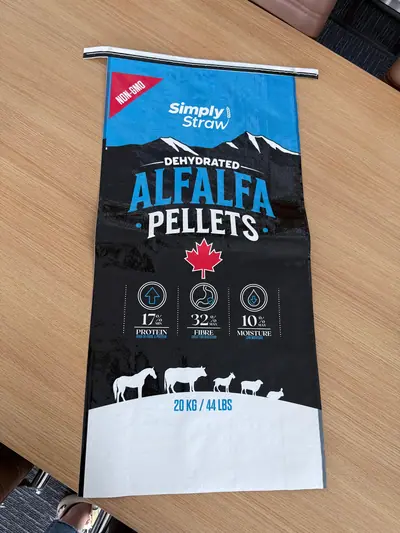
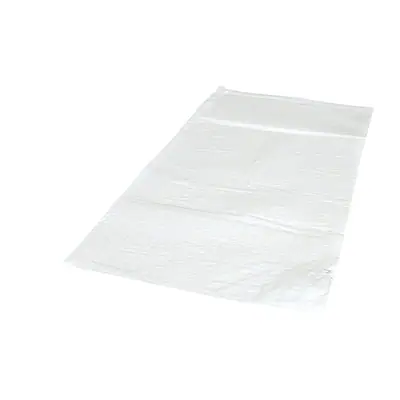
Custom printed bags with a logo for industrial products are made by printing your brand, product details and barcode onto woven polypropylene sacks, BOPP laminated bags, valve bags or FIBC bulk bags. Plain woven sacks and bulk bags are usually flexo printed in 1–4 spot colors, while BOPP laminated bags are rotogravure printed on the reverse of a clear film for photo-quality graphics. The right choice depends on your fill weight, shelf presentation, number of colors and order quantity per design.
Definition: A custom printed packaging bag is a bag manufactured to the buyer's size and specification and printed with the buyer's own artwork, typically for private-label or branded products sold in 5–50 kg (10–110 lb) units or in bulk bags.
This guide is for brands, mills, importers and distributors buying custom bags for business in volume: feed, seed, grain, rice, fertilizer, pet food, minerals and chemicals. Whether you call them printed plastic bags, custom printed poly bags, logo bags or simply a bag with print, the industrial versions are almost always woven polypropylene, sometimes laminated, because the bag must survive filling, stacking and transport. It does not cover retail shopping, gift or tote bags.
What kinds of packaging bags with logo printing are available?
| Bag type | Typical fill | Common print method | Typical colors | Best for |
|---|---|---|---|---|
| Plain woven PP sack | 10–50 kg (22–110 lb) | Flexo | 1–4 | Grain, sugar, flour, fertilizer, sand |
| BOPP laminated woven bag | 5–50 kg (10–110 lb) | Rotogravure, reverse printed | up to about 8–10 | Pet food, feed, seed, rice on shelves |
| Paper-poly (kraft laminated) bag | 10–50 lb (5–25 kg) | Flexo or offset on paper | 1–6 | Premium feed, seed, food ingredients |
| Valve bag (woven or paper) | 20–50 kg (44–110 lb) | Flexo or gravure | 1–8 | Cement, mortar, chemicals, minerals |
| Mesh / leno bag | 5–50 kg (10–110 lb) | Flexo or printed label tape | 1–3 | Onions, potatoes, citrus, firewood |
| FIBC bulk bag | 500–2,000 kg (1,100–4,400 lb) | Flexo on body panels | 1–4 | Industrial bulk, private label minerals |
Values are typical; exact capabilities depend on bag width, fabric and press.
Printed woven bags and custom feed bags
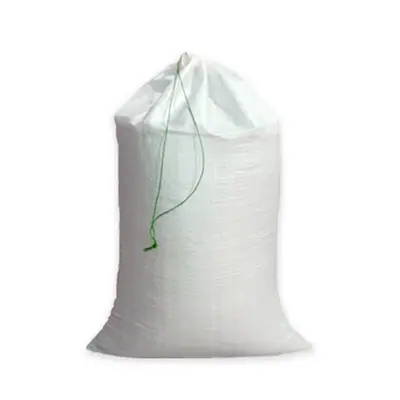
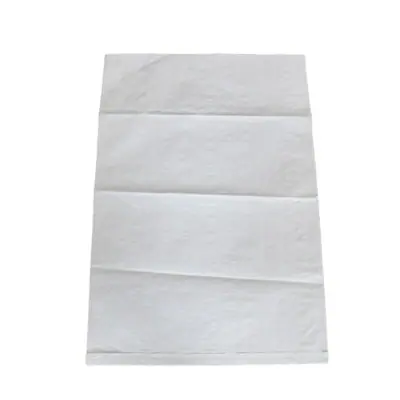
Custom printed woven bags are the workhorse of agricultural and industrial packaging. Flexo printing lays solid spot colors onto the woven fabric, which keeps cost low and suits logos, product names, analysis tables and handling icons. Our Custom Printed PP Woven Bag with Tear Resistant Fabric and Eco Friendly PP Woven Bag with Custom Logo Printing are examples. Custom feed bags often move to BOPP when they need photographs of animals or crops; see our feed bags guide.
BOPP laminated bags: bags for brands
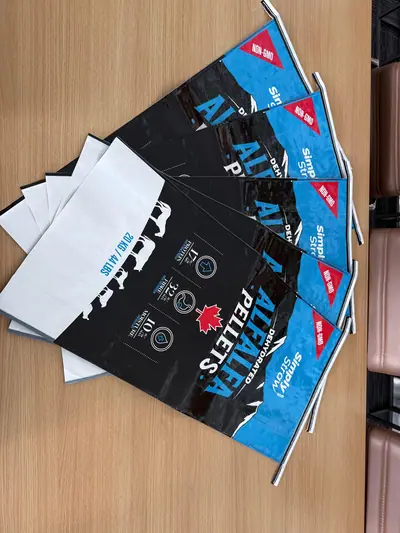
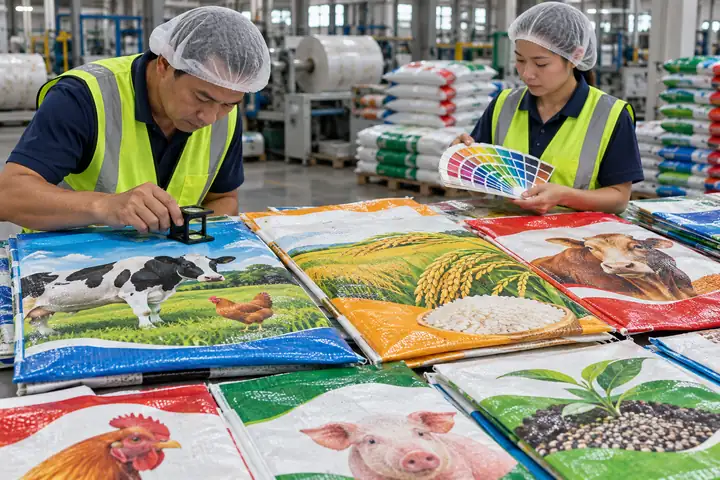
When the bag is the shelf display, brands usually choose BOPP. The design is printed on the reverse of a thin biaxially oriented polypropylene film and laminated to woven fabric, so the ink is sealed under the film and does not scuff in transport. Our Custom Printed Side Gusset BOPP Bag with High Gloss shows a typical gloss side-gusset style; the BOPP laminated bags guide covers film, fabric and finishes in depth.
Custom bulk bags and printed bulk bags
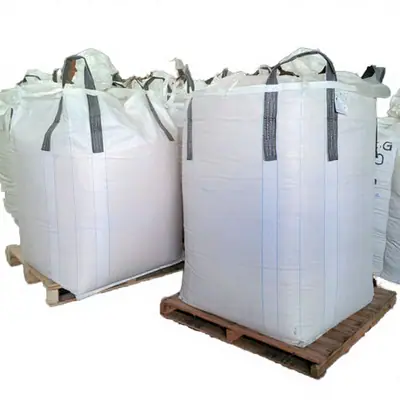
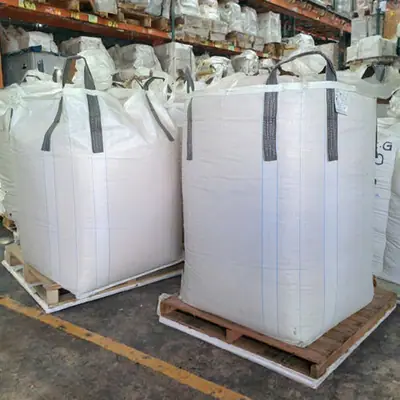
Printed bulk bags carry your logo plus mandatory information: safe working load, safety factor and handling instructions as required for FIBCs under ISO 21898. Printing is typically on one to four sides in 1–4 colors, like our 90 90 150cm 1000Kg Printed FIBC Bulk Bag Ton Bag PP Jumbo. For what printing adds to cost, see our bulk bag price guide.
Flexo vs rotogravure vs offset: which packaging printing method?
| Method | How it prints | Setup | Image quality | Typical use |
|---|---|---|---|---|
| Flexographic (flexo) | Flexible relief plates, one per color | Lower: plates per color | Solid logos and text; limited fine detail on woven texture | Plain woven sacks, mesh, FIBC, paper |
| Rotogravure | Engraved metal cylinders, one per color, reverse printed on film | Higher: cylinders per color | Photo quality, smooth gradients | BOPP laminated bags, premium retail packs |
| Offset (lithographic) | Ink transferred via a blanket from a plate | Moderate | Fine detail on smooth surfaces | Paper-poly bags, paper plies, some printed rolls |
Rules of thumb:
- 1–3 spot colors, plain sack: flexo is the most economical.
- Photo of product or animal, shelf sale: rotogravure on BOPP.
- Kraft paper look with crisp detail: offset or flexo on a paper-poly bag; compare options in our PP woven vs BOPP vs paper-poly guide.
- Very small trial lots: a plain bag with a printed label or a single-color design reduces setup cost.
Artwork and color guide for custom printed packaging bags
Good artwork prevents most print problems. Before you send files:
- Vector files. Send AI, PDF or EPS with fonts converted to outlines. Logos should be vector, not screenshots.
- Images at final size. Photographs for gravure should be about 300 dpi at 100% printed size, in CMYK unless you specify spot colors.
- Pantone references. Name each spot color with its Pantone (PMS) number and approve a physical proof or printed sample; screen colors are not reliable.
- Bleed and safe zone. Allow about 3–5 mm (1/8–3/16 in) bleed beyond the trim, and keep text at least 10 mm (3/8 in) from folds, gussets, seams and the valve.
- Minimum sizes for flexo on woven fabric. As a rule of thumb, keep text above about 8 pt and lines above about 0.5 mm (0.02 in); the woven texture breaks up finer detail.
- White under-layer for BOPP. Reverse-printed film needs a white backing where colors must be opaque; tell the printer which areas stay clear or metallic.
- Barcodes. Use EAN-13 or UPC-A at 80–200% of nominal size (EAN-13 at 100% is 37.29 × 25.93 mm), dark bars on a white background, full quiet zones, and never red bars, which most scanners cannot read. Ask for a scan test on the proof.
- Mandatory text. Net weight in the units your market requires, product name, batch or lot area, importer details and any regulatory panel (for example a feed tag or fertilizer analysis).
What is the MOQ for custom printed bags?
Printing needs plates or cylinders for every color, and every new size needs machine setup, so suppliers set a minimum order per design. For printed woven bags, an MOQ of around 10,000 bags per design is common in the industry, while gravure-printed BOPP often needs higher volumes to spread cylinder cost. Ways to work within MOQs:
- use one bag size and one base design, and change only a small text panel per product;
- keep the same plates for reorders, as they can usually be stored and reused;
- start with fewer colors and upgrade as volumes grow.
Plate and cylinder charges are one-time per design and color; changing artwork later requires new plates only for the colors that change.
Private label bags: what brands should check
Private label buyers, such as feed mills, rice importers or fertilizer distributors selling under their own name, should agree three things in writing: the approved artwork version, the color standard (Pantone plus a signed sample) and the bag specification (size, GSM, lamination, liner). Ask for a pre-production sample and, for imports, plan inspections; our importing checklist explains each step.
Industrial "promotional bags" in this sense are not giveaways: a well-printed sack is advertising that sits in every warehouse and store aisle your product reaches.
Order custom printed bags from the factory
Yantai Evergreen Packaging prints and manufactures woven PP, BOPP laminated, paper-poly, valve, mesh and FIBC bags in Yantai, Shandong, for businesses that buy by the container. Browse Laminated & BOPP Bags and PP Woven Sacks.
What to send us for a quote
- Bag type: woven PP, BOPP laminated, paper-poly, valve, mesh or bulk bag
- Size: width × length (and gusset) in cm or inches, and fill weight
- Fabric and options: GSM if known, lamination, liner, UV, anti-slip, handle or closure
- Printing: method if known, number of colors, number of sides, Pantone references
- Artwork files: vector AI/PDF/EPS, or a draft we can adapt
- Barcode number and format, if needed
- Quantity per design and number of designs, plus annual volume
- Destination port and preferred Incoterm
Send these through our contact page; we typically reply within 8 hours.
Frequently asked questions
How many colors can be printed on a woven bag?
Plain woven PP sacks are usually flexo printed in 1–4 colors, sometimes more on wider presses. BOPP laminated bags are rotogravure printed and commonly offer up to about 8–10 colors, including photographic images.
What is the minimum order for custom bags with a logo?
For printed woven bags, around 10,000 bags per design is a common industry MOQ, and gravure-printed BOPP bags usually need more. The exact figure depends on the supplier, bag size and number of colors, so ask with your quote.
What file format do I need for custom printed packaging bags?
Send vector artwork (AI, PDF or EPS) with fonts outlined, Pantone references for spot colors and images at about 300 dpi at final size. Add 3–5 mm bleed and keep text clear of folds and seams.
Can bulk bags be printed with a logo?
Yes. FIBC bulk bags are commonly flexo printed in 1–4 colors on one or more sides. The print usually includes the brand plus safe working load, safety factor and handling instructions.
Is flexo or rotogravure printing better for packaging bags?
Neither is better in general. Flexo is economical for solid logos and text on plain woven sacks, paper and bulk bags. Rotogravure on BOPP gives photo-quality, scuff-resistant graphics for retail shelves, at a higher setup cost per design.